
Choosing the right auto window tint shade is one of the most common questions drivers in Denver and along the Front Range ask before scheduling window tinting. Most people assume it’s just about picking how dark they want their car windows to look. The reality involves more trade-offs than you might expect.
Drivers in Boulder, Thornton, Arvada, and surrounding Colorado areas are typically trying to solve practical problems: reducing heat buildup during summer commutes, cutting glare off snow on I-70, protecting interior surfaces from UV damage, or adding privacy without sacrificing night visibility. The shade you choose matters, but so does the film technology behind it. A lighter ceramic window tint can outperform a darker, cheaper film in terms of heat rejection.
Colorado’s conditions make this decision more important than in many other states. At an elevation of 5,280 feet, UV exposure runs roughly 46% higher than at sea level. Add 300-plus sunny days, harsh winter snow glare, and rapid temperature swings, and your window film choice gets tested year-round. This guide covers window tint shade percentages, what each looks like, Colorado legal window tint requirements, and how to pick the right shade for your driving habits.
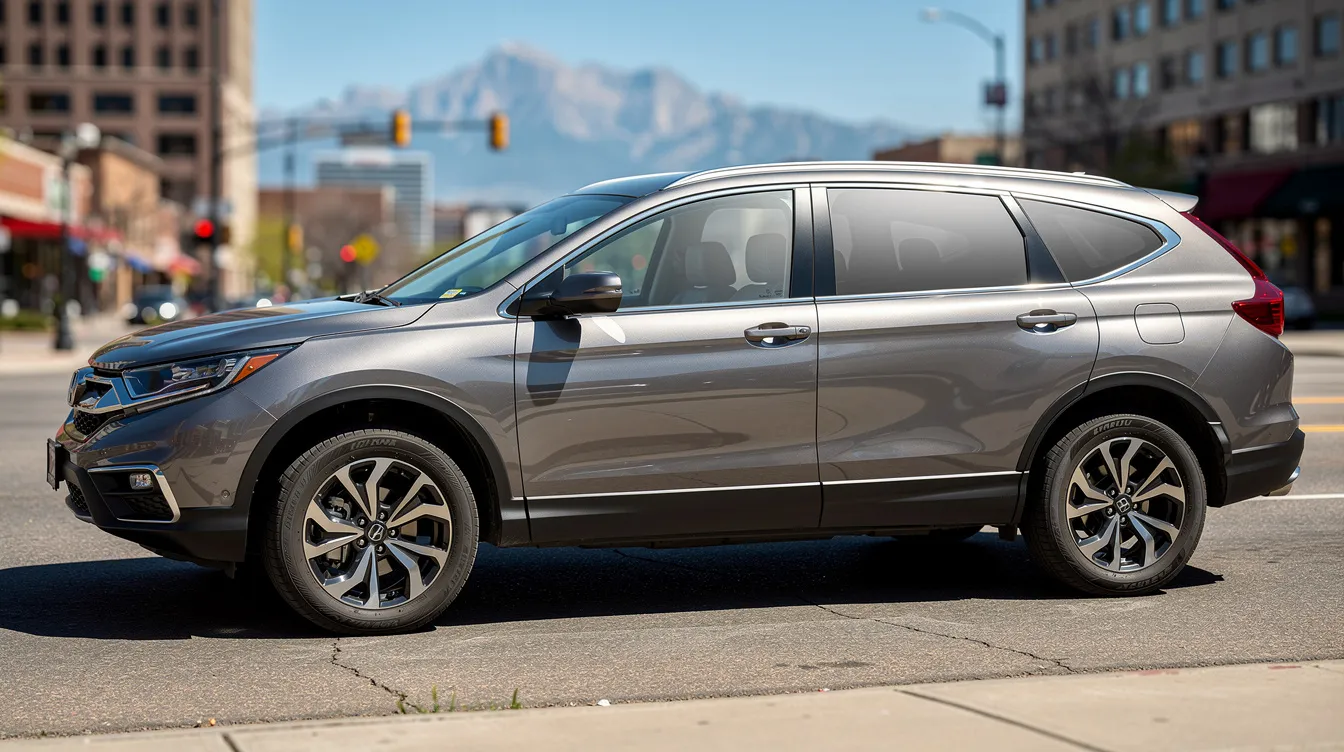
Table of Contents
What Does Auto Window Tint Shade Actually Mean?
Auto window tint shade is measured by visible light transmission, commonly written as VLT percentage. This number indicates the percentage of visible light that passes through the glass and film combined.
A 35% VLT means 35% of light gets through while 65% is blocked. Higher VLT equals a lighter tint that’s more see-through. Lower VLT equals darker shades with more privacy.
Here’s what catches many drivers off guard: factory privacy glass on SUVs and trucks often comes with 15-20% VLT on rear windows. Adding film over the existing tint significantly reduces the total VLT, sometimes into illegal territory.
Two window film products with identical VLT can perform very differently for rejecting heat and blocking harmful UV rays. A basic dyed film at 35% won’t match a nano-ceramic film at the same shade for infrared rejection. This is why understanding tint shades requires looking beyond just darkness.
Common Window Tint Shade Percentages Explained
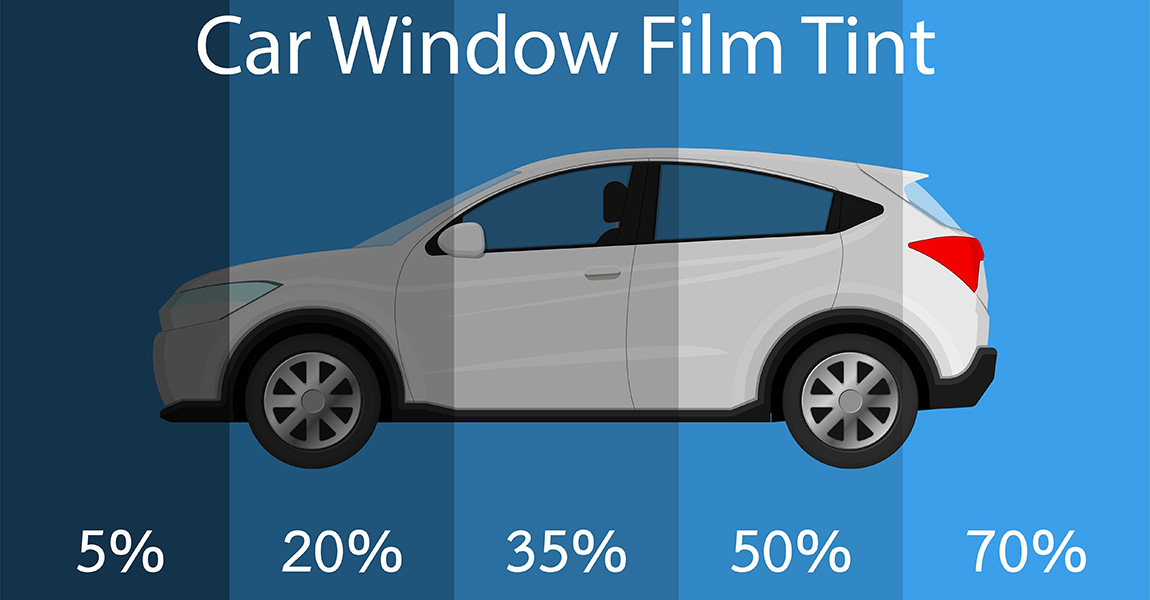
Each VLT percentage creates a distinct look and serves different purposes. Here’s what to expect:
70% VLT appears nearly clear or factory-like. Denver commuters use this on windshields where legally permitted as a top strip. It blocks up to 99% of UV rays and provides modest heat reduction without changing appearance. Ideal when you want protection, not privacy.
50% VLT offers a light smoke appearance that keeps a stock look. This works well for front side windows where drivers want comfort and glare reduction while maintaining easy visibility at night and on mountain passes.
35% VLT is the popular medium shade for front doors, where legal. It creates a noticeably darker tone, giving you a balance of privacy, reduced glare, and style. Most daily drivers, crossovers, and family SUVs end up here for a refined look.
20% VLT appears visibly dark and often matches factory privacy glass on rear windows. Great for cargo areas, pets, and passenger privacy, but can feel challenging at night if used on all sides.
5% VLT, known as limo tint, is pitch-black from the outside. In Colorado, this is too dark for front windows and creates real visibility challenges for backing up at night or in parking garages.
Shade | Look | Common Use | Key Trade-off |
|---|---|---|---|
70% | Nearly clear | Windshield strips, UV focus | Low privacy |
50% | Light tint | Front windows, daily drivers | Modest darkness |
35% | Medium-dark | All-around, style + function | Night adjustment |
20% | Dark | Rears, SUVs, trucks | Night visibility |
5% | Limo | Rear luxury only | Legal issues, visibility hazard |
How Tint Darkness Affects Privacy, Visibility, and Appearance
Choosing the best auto window tint shade means balancing three factors that often compete with each other.
Privacy peaks at 20-5% VLT during daylight since outside viewers see very little interior detail. But this reverses at night when cabin lights are on, allowing people to see inside regardless of how dark your tints are.
Daytime visibility remains manageable even with dark tints in bright Colorado sun. However, night driving visibility drops significantly below 35% VLT on front windows. AAA data link darker front tints to slower pedestrian detection times on unlit roads, which matters on rural stretches of I-70 or mountain routes with wildlife crossings.
Appearance varies by vehicle color and body style. White Denver SUVs with 35% front and 20% rear create a sleek OEM match. Black trucks with 20% front and 5% rear look aggressive but risk tickets. Luxury sedans often favor 50% ceramic all around for subtle elegance.
The darkest legal tint isn’t automatically the best choice, especially for older drivers or anyone frequently navigating mountain passes after dark.
Best Auto Window Tint Shade Percentages for Different Vehicles and Drivers
The right tint for your car depends on vehicle type, driving patterns, and comfort preferences, as well as understanding different automotive window tint film types.
Daily commuters in sedans and crossovers do well with 35% front and 20% rear, or 50% ceramic all around for a cleaner factory appearance with strong heat control.
Family SUVs and minivans often come with 15-20% factory privacy glass in the back. Adding 50% ceramic on front doors blends with the existing rear glass while boosting heat rejection without making things darker.
Trucks in Denver frequently run 20% on front doors to match factory rears where legal. Just note that medium tints at this level can reduce visibility 15-20% at night on roads like C-470.
Performance and luxury vehicles often use 50% ceramic throughout or 35% all around for high-end aesthetics that protect leather and trim without causing signal interference.
Night drivers and mountain travelers should stay at 50% or lighter on front windows even when using darker shades on rear windows. Confidence on snowy passes and during early nightfall matters more than maximum darkness.
Best Tint Shades for Heat, UV, and Glare Protection
Colorado’s high-altitude sun drives many drivers to tint their vehicles to stay comfortable behind the wheel. But here’s what many people miss: heat rejection depends more on film technology than darkness alone.
A quality 50% ceramic film can reject 80-95% of infrared rays, while a cheap 20% dyed film might only block 40-50%. Real-world testing shows ceramic-tinted vehicles running 22-25°F cooler than those with basic dyed film at similar or even darker shades.
For UV protection, quality window film at nearly any shade blocks around 99% of UV radiation. This protects your dashboard, seats, and skin on long drives to the mountains.
Glare reduction scales with VLT but doesn’t require extreme darkness. A 35% shade cuts roughly 65% of glare, valuable for snow reflectance on I-70 and wet pavement throughout metro Denver. Lighter tints with ceramic technology give you the vehicle-cooling effect without reducing visibility.

How Colorado Weather and Sunshine Affect Your Tint Choice
Denver averages over 300 sunny days per year at an elevation of 5,280 feet, intensifying UV exposure compared to lower-altitude areas. This changes everything about choosing your auto window tint shade.
Summer heat and altitude mean thinner air and more intense sun, causing faster interior heating. Effective infrared rejection matters more here than in coastal cities, especially for vehicles parked outside in Aurora, Thornton, or Highlands Ranch.
Winter glare and snow create bright reflections that can reach 500,000 lux on mountain passes. Thoughtful shade selection cuts this glare without making early nightfall stressful.
UV aging accelerates in Colorado. Interiors fade and crack up to twice as fast without protection. This makes UV blocking valuable for preserving your investment regardless of which shade you choose.
Pick a shade and film combination that works year-round, not just for August.
Colorado Legal Window Tint Considerations
Before settling on any shade, understand local tint laws to avoid tickets and safety issues.
Colorado law under CRS §42-4-237 requires:
- Windshield: 70% VLT allowed on top 4 inches (6 inches for SUVs/MPVs)
- Front side windows: Must allow more than 27% VLT
- Rear side windows: More than 27% VLT unless front windows exceed 70%
- Rear window: Same as rear sides
- Reflectivity: No mirrored or highly reflective films
Here’s where drivers get caught: stacking film over factory privacy glass dramatically drops total VLT. Adding 50% film over 20% factory glass creates roughly 10% total VLT, well below legal limits.
Colorado does not recognize medical exemptions for window tint. Enforcement via tint meters by the Colorado State Patrol focuses primarily on front windows. Fines run $100 or more, plus fix-it requirements.
For current local regulations, check the Colorado State Patrol or ask your installer about VLT measurement on your specific vehicle.
Ceramic Window Tint vs Standard Film When Choosing Shade
When thinking about auto window tint shade, most people focus only on darkness. But material choice often matters more.
Standard dyed films cost less ($2-4 per square foot) and provide privacy plus some glare reduction. However, they offer lower heat rejection (40-60% IR) and can fade purple within 2-4 years under Colorado’s intense sun, so it’s worth comparing car window tint costs in Denver across film qualities before you choose.
Ceramic window tint uses nano-ceramic particles to block 80-94% of infrared heat and 99% of harmful UV rays while maintaining optical clarity. Even a light tints at 50% or 70% VLT feels significantly cooler than dark dyed alternatives.
Real-world comparison: a 50% ceramic install keeps a black car interior 22°F cooler after an hour in Denver’s summer sun, versus only 15°F cooler with 35% dyed film.
Ceramic also provides better signal transparency for GPS, phone, and keyless entry. For drivers who want comfort without a very dark look, lighter ceramic shades offer the smart middle ground. Non-reflective tint options in ceramic maintain clarity without the hazy appearance of older metallized films.
Common Mistakes Drivers Make When Choosing Tint Darkness
Many Colorado drivers walk into shops requesting the darkest possible shade without understanding the trade-offs. Here are the most common mistakes:
- Prioritizing style over function: Choosing 20% fronts looks aggressive but creates real problems on dark roads in Evergreen or Castle Rock. Some shops report 20-25% regret rates for very dark front-window installs.
- Ignoring factory glass: SUV owners often add 20% film over 20% of the factory rear glass, resulting in an 8% total VLT that’s illegal and nearly impossible to see through.
- Believing online myths: Many drivers request 15% fronts based on internet forums, not realizing this violates Colorado law.
- Assuming darker equals cooler: A cheap 5% dyed film actually gets hotter than a quality 50% ceramic because dyed films absorb and radiate heat inward.
- DIY installation with budget film: Cheap film bubbles and peels within months under Colorado UV, costing double when you pay for professional removal and replacement.
DIY vs Professional Installation: When to Call a Pro
Auto window tint shade selection is half the equation. Installation quality determines whether you get a clean final product or bubbles, creases, and peeling.
DIY challenges include dust contamination, cutting errors, difficulty with curved rear windows on modern SUVs, and the need to accurately measure VLT to confirm legal compliance. Industry estimates suggest 20-30% bubble rates for first-time DIY attempts.
Professional installation at a Colorado shop like Colorado Clear Bra provides:
- Computer-cut patterns for precision fit
- Clean environment reducing contamination
- Experienced in techniques for shrinking film to complex glass curves
- Guidance on legal VLT choices for your specific vehicle
- Manufacturer and installation warranties important in high-UV environments
For daily drivers, family vehicles, and leased cars where appearance and longevity matter, professional installation pays for itself.
Why Denver Drivers Choose Colorado Clear Bra for Window Tint
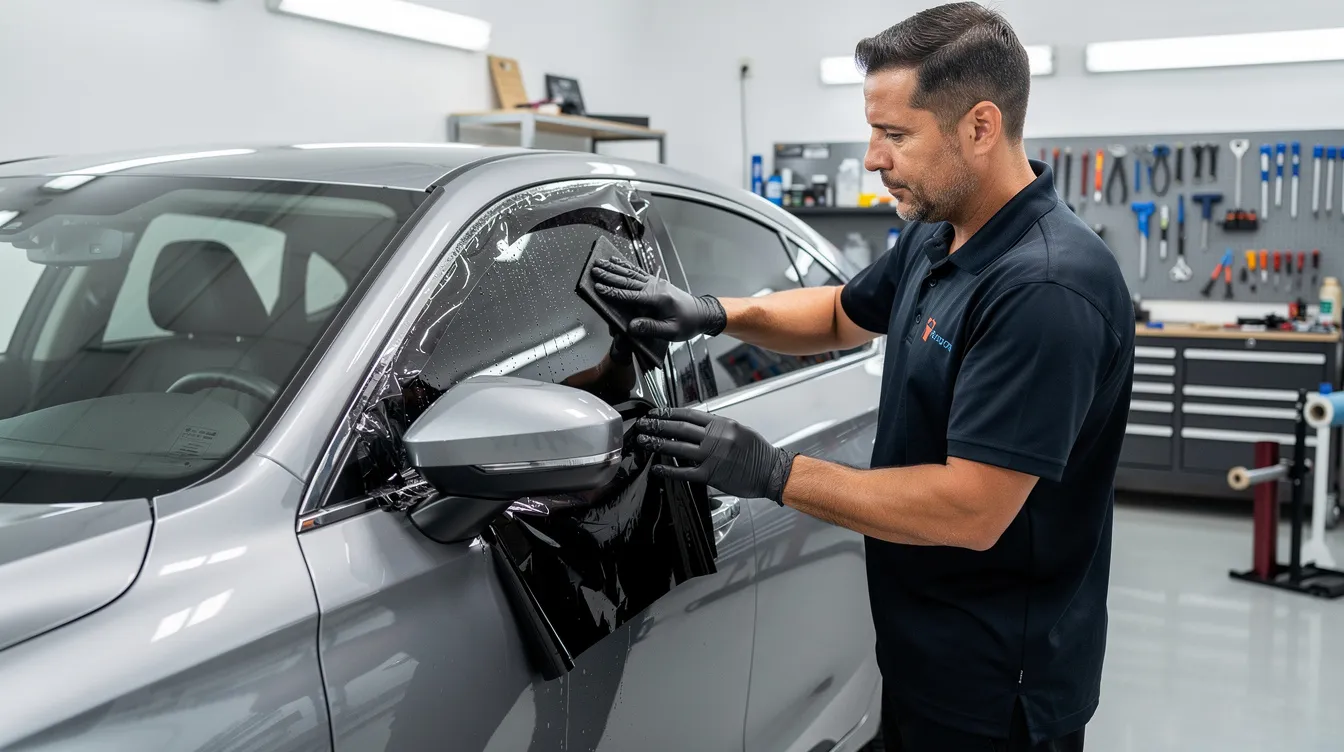
Colorado Clear Bra brings local expertise to every auto window-tint installation. Our technicians understand how Denver’s sun, snow, and driving patterns affect film performance and shade selection.
We stock high-quality ceramic window tint alongside other performance window tint films, letting you choose the right balance of shade, heat rejection, and price. Before installation, we walk customers through tint shade percentages with visual samples on actual glass so you see exactly how each option looks on your vehicle.
Beyond automotive window tinting services, we offer clear bra/PPF protection for rock chips on I-70 and E-470, plus paint correction to restore finishes before protection goes on.
FAQ: Auto Window Tint Shade Questions Colorado Drivers Ask
What is the best auto window tint shade for daily driving in Colorado? Most drivers find that 35-50% ceramic on front windows, with 20% on rears, delivers the best balance of comfort, legality, and visibility. This setup handles both summer heat and winter glare effectively.
Is 20% tint too dark for night driving? On rear windows, most people adjust fine. On the front side windows, 20% can make it challenging to spot pedestrians and wildlife on unlit mountain roads. Consider 35% fronts if you drive frequently after dark.
What tint shade blocks the most heat? Film technology matters more than darkness. High-performance ceramic at 35-50% VLT can reject more heat than a cheap 20% dyed film. Ask about infrared rejection percentages, not just shade.
What window tint is legal in Colorado? Front side windows must exceed 27% VLT. Rear windows have more flexibility if the fronts meet requirements. Always verify the total VLT when adding film over factory glass.
Is ceramic tint worth it if I do not want very dark windows? Absolutely. Ceramic delivers 80-94% infrared rejection and 99% UV protection, even in light shades like 50% or 70%. You get a vehicle cooler interior without dark tints.
What is the best tint shade for privacy and visibility? A 35-50% ceramic front with 20% rear balances both needs. You maintain clear outward visibility while giving passengers and cargo meaningful privacy.
Can I match my SUV’s factory rear tint on the front windows? Factory privacy glass typically has a VLT of 15-20%. Matching that on fronts would violate Colorado’s 27% minimum. Choose a slightly lighter shade, like 27-35%, for a cohesive look within legal limits.
Conclusion: Choosing the Right Auto Window Tint Shade in Colorado
The right auto window tint shade balances style, privacy, visibility, heat rejection, and Colorado legal requirements. There’s no single answer that works for every driver, which is why understanding the trade-offs matters before deciding on a final product.
Think beyond darkness. A high-quality ceramic film at 50% VLT often offers better comfort than cheap dark tints while keeping you legal and confident at night. Consider your daily routes, parking situation, and how often you drive mountain passes after sundown.
If you’re in Denver, Boulder, or anywhere along the Front Range, Colorado Clear Bra is here to help you find the right auto window tint shade for your vehicle and lifestyle. Stop by for a consultation, see film samples on actual glass, and get professional installation that looks factory-level and respects Colorado law. Contact us or visit our window tint page to get started.