Introduction
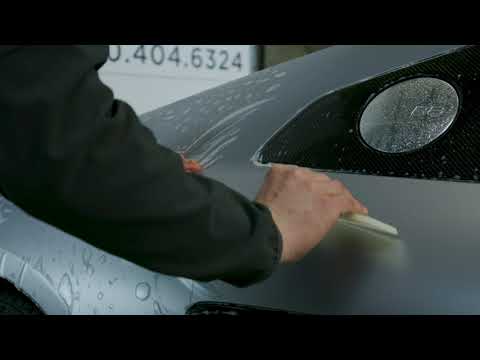
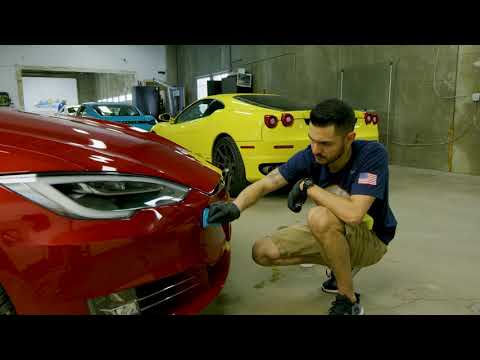
Ceramic coating is a liquid polymer applied by hand to a vehicle’s exterior, chemically bonding to the vehicle’s paint to create a protective layer that provides 2-5 years of superior protection against UV rays, water spots, and environmental contaminants. This advanced automotive protection technology transforms your car’s surface into a hydrophobic barrier, maintaining a high-gloss finish while reducing maintenance requirements. The ceramic coating forms a durable, protective layer on the vehicle’s surface, enhancing both protection and appearance.
Ceramic coatings are especially popular for cars because they protect and enhance the appearance of vehicle surfaces, offering improved durability and a noticeable boost in shine. Additionally, ceramic coatings enhance a vehicle’s gloss, depth, and color intensity, making the paintwork appear more vibrant and refined. The quality and cleanliness of the vehicle’s paint directly impact the coating’s effectiveness and longevity.
Before application, the vehicle’s paint must be thoroughly cleaned, corrected, and perfectly smooth to ensure proper bonding and optimal results. They also maintain the vehicle’s clear coat clarity while increasing surface hardness.
Ceramic coatings offer long-lasting protection that far exceeds that of traditional wax applications, making them the preferred choice for vehicle owners seeking durable paint protection. These coatings are semi-permanent and can be difficult to remove without professional help, further emphasizing their durability and commitment to long-term protection.
“See how the Colorado Clear Bra Ceramic Coating team can help protect and enhance your vehicle’s finish — visit our homepage to explore premium paint protection and expert ceramic coating services.”
What This Guide Covers
This comprehensive guide covers ceramic coating technology, application techniques, product selection, and maintenance strategies. You’ll learn about professional-grade versus DIY options, proper surface preparation, and troubleshooting common application issues. This guide does not cover paint correction techniques, alternative protection methods like wax or paint protection film, or detailed product reviews.
Who This Is For
This guide is designed for car enthusiasts, professional detailers, and vehicle owners seeking long-term paint protection. Whether you’re considering professional ceramic coating installation or planning a DIY application, you’ll find the technical knowledge and practical guidance needed for success.
Why This Matters
Ceramic coatings prevent paint oxidation, reduce washing time by up to 50%, and maintain your vehicle’s resale value by preserving the original paintwork. The difference between ceramic coatings and traditional waxes lies in their superior durability, enhanced shine, and advanced protection for cars. This technology protects against bird droppings, tree sap, rock chips, and UV damage that traditional wax cannot effectively prevent. In addition to protection, ceramic coatings deliver a deep, reflective shine that gives cars a showroom-quality appearance.
What You’ll Learn:
- How ceramic coating technology works at the molecular level
- Choosing between professional and consumer-grade products
- Step-by-step application techniques for optimal results
- Common challenges and proven solutions for perfect results
Table of Contents
Understanding Ceramic Coating Technology
Ceramic coating is a silicon dioxide (SiO2) based liquid polymer that forms permanent chemical bonds with your vehicle’s clear coat at the molecular level. This process creates a durable shield over the vehicle’s exterior, protecting it from environmental hazards.
This nanotechnology creates a secondary layer of protection that becomes part of your vehicle’s surface rather than sitting on top, as with traditional wax. Ceramic coatings form a durable, transparent layer on the vehicle’s surface, shielding it from environmental damage, dirt, and water. For proper adhesion and optimal results, the vehicle’s paint must be clean and free of defects before application. The coating chemically bonds through covalent connections, forming a dense, cross-linked matrix that delivers exceptional durability and hydrophobic properties.
The superior protection comes from the ceramic coating’s molecular structure, which creates a barrier significantly harder than your vehicle’s original clear coat, often rating 9H on the pencil hardness scale. This high hardness rating enhances scratch resistance, providing an additional layer of defense against minor scratches and swirl marks.
Silicon Dioxide Concentration Levels
Professional-grade ceramic coatings contain 80%+ SiO2 concentration, delivering maximum durability and requiring specialized application techniques. These high-concentration formulas provide the best ceramic coating performance but demand controlled environments and professional expertise. Professional detailing shops charge more because of the extensive time and expertise required to apply these coatings.
Consumer-grade coatings contain 20-70% SiO2, making DIY application easier while still providing long-lasting protection. This connects to ceramic coating technology because higher SiO2 concentration directly correlates with coating hardness, durability, and protective capabilities. Ceramic coatings can also be used on a variety of surfaces, including glass and trim, making them versatile for different parts of a vehicle. Professional-grade ceramic coatings are usually more concentrated than consumer versions, enhancing their performance and durability.
Hydrophobic and Protective Properties
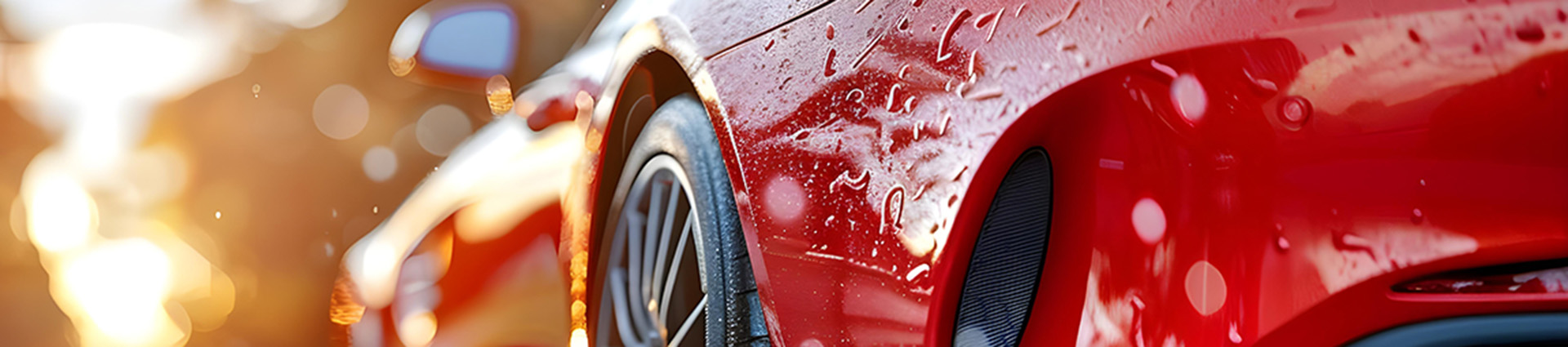
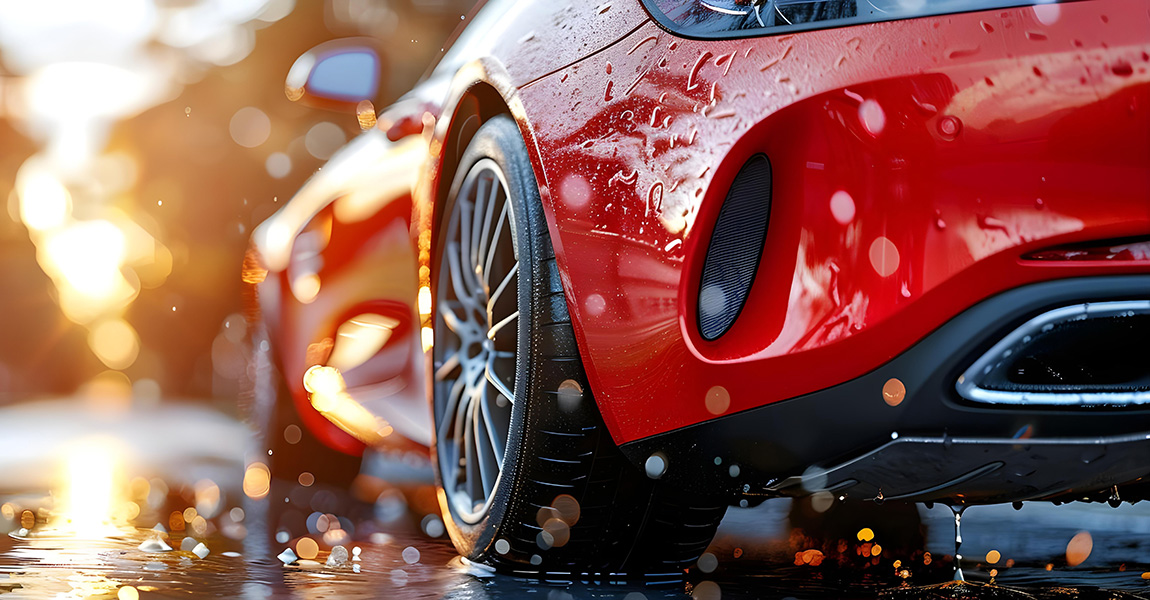
The hydrophobic properties create dramatic water beading effects, causing water to form tight beads that roll off your vehicle’s surface, taking dirt and contaminants with them. This process leaves behind a slick, high-gloss surface that is easier to clean and maintains a visually appealing, water-resistant finish. UV protection prevents paint oxidation and fading by blocking harmful rays that break down paint molecules over time.
Building on SiO2 chemistry, these properties result from the coating’s molecular structure, creating an extremely smooth, chemically inert surface that repels water, dirt, and other elements while maintaining exceptional gloss depth.
Transition: Understanding the science behind ceramic coatings helps explain why different product categories exist and how to choose the right coating for your specific needs.
Benefits of Ceramic Coatings
Ceramic coatings offer a wide range of benefits, making them a top choice for vehicle owners seeking to protect and enhance their car’s appearance. By forming a durable, invisible protective layer over your vehicle’s exterior, ceramic coatings offer superior protection against UV rays, bird droppings, tree sap, and other environmental contaminants that can damage your paint. This long-lasting protection helps prevent water spots, swirl marks, and minor scratches, keeping your car’s surface looking flawless.
One of the standout benefits of ceramic coatings is their ability to create a hydrophobic barrier, causing water and dirt to bead up and roll off the paint with ease. This not only makes washing your car simpler but also helps maintain a high gloss, showroom finish that enhances the depth and clarity of your vehicle’s paint. The protective layer also reduces the risk of contaminants bonding to the surface, making it easier to keep your car clean and looking its best.
By investing in ceramic coatings, you’re choosing a solution that enhances your car’s gloss, depth, and overall appearance while providing long-lasting, durable protection against the elements. Whether you want to protect your vehicle from daily hazards or simply enjoy a stunning, high-gloss finish, ceramic coatings offer proven benefits for every car owner.

Choosing the Best Ceramic Coating
Selecting the best ceramic coating for your vehicle’s exterior involves more than just picking a popular brand—it’s about matching the product’s features to your specific needs. Start by considering the level of superior protection you want against UV rays, water spots, and everyday contaminants. The best ceramic coating forms a strong, chemically bonded protective layer on your vehicle’s paint, enhancing its appearance and longevity.
Look for coatings that promise a high-gloss finish and long-lasting durability, especially if your vehicle is frequently exposed to harsh elements or road debris such as rock chips. Some coatings are formulated for specific surfaces, such as plastic trim or matte finishes, so be sure to choose one that’s compatible with your vehicle’s paint type and exterior features. Durability is key—opt for a coating that offers proven long-lasting protection and is tested for resistance to scratches and environmental contaminants.
When searching for the best ceramic coating, also consider ease of application, curing time, and the manufacturer’s reputation. Reading reviews and checking for third-party testing can help ensure you’re investing in a quality product that delivers a deep, glossy finish and protects your vehicle’s surface for years to come.
Types of Ceramic Coatings and Applications
Ceramic coatings fall into distinct categories based on intended application method, durability expectations, and SiO2 concentration, each designed for specific user requirements and skill levels. Products like Cerakote are sold as spray formulations for easy application and are tested for performance and durability. Ceramic coatings can also be applied to wheels, enhancing their appearance, making cleaning easier, and providing resistance to dirt and high temperatures.
Professional-Grade Coatings
Professional ceramic coatings like Gtechniq Crystal Serum Ultra offer 9H hardness ratings with protection claims extending up to 9 years. Ceramic Pro 9H systems utilize multi-layer application processes with lifetime warranty options for qualified installations. The average cost of professional ceramic coating services is around $2,000, reflecting the extensive time and expertise required for proper application.
These coatings require controlled environments, professional-grade tools, and specialized training for proper application. The curing process demands precise temperature and humidity control, making professional installation essential for optimal performance.
Consumer DIY Coatings
DIY ceramic coating options like Adam’s Graphene Ceramic Coating offer easier application and deliver durability expectations of 2-3 years. Chemical Guys HydroSlick offers spray-applied formulations with 6-month protection for maintenance-focused users. DIY ceramic coatings may be more forgiving of mistakes, allowing correction with mild polishing if errors occur during application.
Unlike professional-grade products, consumer coatings feature more forgiving application windows, lower cost entry points, and simplified preparation requirements that accommodate home garage environments.
Specialized Applications
Wheel coatings provide heat resistance specifically engineered for brake dust protection and high-temperature environments. Ceramic coatings are also formulated for matte and satin finishes, helping to protect and maintain these unique surface appearances. There are also specialized coatings designed for vehicle wraps, offering compatibility and protective benefits for vinyl or other wrap materials.
Plastic trim coatings deliver UV protection for exterior trim pieces, preventing fading and oxidation of rubber and plastic surfaces.
Glass coatings enhance visibility through rain-repellent effects while making window cleaning significantly easier by reducing contaminant bonding.
Key Points:
- Professional coatings: Maximum durability, requires expertise, higher cost
- DIY coatings: Easier application, moderate durability, budget-friendly
- Specialized formulas: Target specific surfaces and protection needs
Transition: Selecting the appropriate ceramic coating type determines your application approach and preparation requirements.
Types of Vehicles That Can Benefit
Ceramic coatings are a versatile solution that can benefit nearly any type of vehicle, from daily drivers and family SUVs to motorcycles, trucks, and even RVs. Any car with painted surfaces stands to benefit from the protective layer and high-gloss finish that ceramic coatings provide. Whether your vehicle features a glossy, matte, or satin finish, ceramic coatings are designed to enhance and maintain the appearance of all surface types.
Vehicles with plastic trim, exposed to frequent sun, or parked outdoors will especially appreciate the long-lasting protection against UV rays, bird droppings, and tree sap. Show cars and collector vehicles can maintain their pristine appearance, while work trucks and off-road vehicles benefit from the added defense against the elements and road debris. Even motorcycles and specialty vehicles with unique finishes can be protected and kept looking their best.
By applying a ceramic coating, you’re not only protecting your car’s paint and trim from environmental hazards but also ensuring that your vehicle maintains its gloss, depth, and overall appearance for years to come.
Step-by-Step Application Process
Proper ceramic coating application requires meticulous surface preparation and precise technique to achieve the showroom finish and long-lasting protection these products promise. Application and curing should never be performed in direct sunlight, as this can cause uneven curing and compromise the finish. Applying a ceramic coating yourself can lead to uneven streaks if not applied carefully.
Step-by-Step: DIY Ceramic Coating Application
When to use this: Clean the garage environment, maintain 60-80°F temperatures, keep humidity low, and ensure a dust-free workspace for optimal curing.
- Wash and Decontaminate: Remove all dirt, wax residue, and bonded contaminants using soap, clay bar treatment, and iron fallout removers to ensure clean paint surfaces.
- Paint Correction: Polish the vehicle’s paint to eliminate swirl marks, scratches, and oxidation that would become permanently sealed under the ceramic coating.
- Panel Preparation: Wipe each panel with isopropyl alcohol (IPA) solution using a clean microfiber pad to remove polishing oils and ensure maximum coating adhesion.
- Coating Application: Apply ceramic coating in 2×2-foot sections using a cross-hatch pattern with the provided applicator, maintaining consistent coverage without overlapping.
- Leveling Process: Remove excess coating with a clean microfiber towel after the specified flash time (typically 1-3 minutes), working panel by panel to prevent curing issues.
- Curing Period: Allow a 24-hour minimum cure time in a controlled environment, avoiding water contact and maintaining a stable temperature for proper chemical bonding.
Comparison: Professional vs DIY Application
Feature | Professional Application | DIY Application |
|---|---|---|
Cost | $1,500-$3,000 total investment | $50-$200 product cost |
Durability | 5-7 years with proper maintenance | 1-3 years typical performance |
Preparation | Machine polishing, controlled environment | Hand polishing, garage application |
Equipment | Professional tools, spray booths | Basic tools, microfiber supplies |
Professional installation delivers superior longevity and warranty coverage, while DIY applications offer cost savings and learning opportunities for automotive enthusiasts willing to invest time in proper technique.
Transition: Even with proper application techniques, ceramic coating installations can encounter common challenges that require specific solutions.
Maintenance and Upkeep
Maintaining your ceramic coating is straightforward and helps ensure you continue to enjoy superior protection and a high gloss finish for years to come. Regular washing with a gentle, pH-neutral solution is key—avoid harsh chemicals or abrasive materials that could compromise the coating’s effectiveness. Using a microfiber pad or towel to wipe down your car’s surface will help preserve the coating’s integrity and prevent scratches. Avoid automatic car washes as the brushes can cause micro-scratches to the ceramic coating, diminishing its effectiveness over time.
It’s important to wash your car as needed to remove dirt, dust, and contaminants, but thanks to the hydrophobic properties of ceramic coatings, cleaning is much easier and less frequent than with traditional wax. For best results, always dry your vehicle thoroughly after washing to prevent water spots and maintain that glossy, showroom finish.
By following these simple maintenance steps, you’ll maximize the benefits of your ceramic coating, keeping your car’s surface protected and looking its best with minimal effort.
Removal and Repair
Although ceramic coatings are engineered for long-lasting protection, there may come a time when removal or repair is necessary—whether due to wear, damage, or the desire to refresh your vehicle’s surface. Removing a ceramic coating requires the right tools and a gentle approach to avoid harming the underlying paint. Using a microfiber pad and a dedicated cleaning solution can help break down the coating, making it easier to remove without scratching the surface.
For spot repairs, it’s often possible to reapply a new layer of ceramic coating to the affected area. Carefully clean and prep the surface, following the manufacturer’s instructions to ensure proper bonding and a seamless finish. Regular washing and maintenance can help extend the life of your ceramic coating, reducing the need for full removal or frequent repairs.
If you’re unsure about the removal process or dealing with stubborn coatings, consider consulting a professional detailer who has the experience and tools to safely restore your vehicle’s paintwork.
Cost and Value
The price of ceramic coatings can range from as little as $8 for basic DIY kits to over $120 for premium professional-grade products. While the initial investment may seem high compared to traditional waxes, ceramic coatings offer exceptional, long-lasting protection that can save you both time and money in the long run. By shielding your car’s paint from the elements and reducing the need for frequent waxing, polishing, and detailing, ceramic coatings help maintain your vehicle’s surface and paint in top condition.
This long-lasting protection not only keeps your car looking great but also helps preserve its resale value by preventing damage and fading. When you consider the quality, durability, and benefits of ceramic coatings, the value becomes clear—especially for those who want to maintain their vehicle’s appearance and protect their investment over time.
Comparison to Other Products
When comparing ceramic coatings to traditional waxes and sealants, the differences in protection, durability, and appearance are clear. While wax provides a temporary shine and some protection, it quickly breaks down under UV rays and exposure to the elements, requiring frequent reapplication. In contrast, ceramic coatings offer superior protection and long-lasting durability, often lasting years instead of weeks or months.
Ceramic coatings form a hard, chemically bonded layer that shields your vehicle from water spots, contaminants, and environmental hazards, while delivering a high gloss finish that enhances your car’s appearance. Unlike wax, which can wash away or degrade, ceramic coatings maintain their protective qualities and glossy appearance through countless washes and under various weather conditions.
For car owners seeking the best in protection, durability, and a deep, reflective gloss, ceramic coatings stand out as the top choice—especially for vehicles exposed to harsh environments or those looking to maintain a showroom-quality appearance.
Environmental Impact
Ceramic coatings are an environmentally conscious choice for car owners looking to reduce their ecological footprint. By minimizing the need for frequent washing and waxing, ceramic coatings help conserve water and reduce the use of cleaning chemicals that can harm the environment. Many modern ceramic coatings are formulated with eco-friendly ingredients and are free from harsh toxins, making them safer for both your vehicle and the planet.
However, it’s important to select coatings that are labeled as environmentally friendly and to follow proper disposal guidelines for any leftover product or applicators. By making informed choices and using ceramic coatings responsibly, you can enjoy superior protection for your car while also supporting a cleaner, greener environment.
Future of Ceramic Coating
The future of ceramic coating technology is bright, with manufacturers continually innovating to deliver even greater protection, durability, and ease of use. Advances in nanotechnology are leading to coatings that offer enhanced hydrophobicity, longer-lasting performance, and even self-healing capabilities that automatically repair minor scratches and swirl marks.
As demand for ceramic coatings grows, expect to see new solutions that deliver a higher-gloss finish, superior protection against the elements, and simplified maintenance. Manufacturers are also focusing on creating coatings that are more environmentally friendly and easier to apply, making these benefits accessible to a wider range of car owners.
With ongoing research and development, the next generation of ceramic coatings will offer even more impressive longevity, performance, and appearance enhancements—ensuring your vehicle’s surfaces stay protected and looking their best for years to come.
Common Challenges and Solutions
Understanding typical ceramic coating application issues helps prevent costly mistakes and ensures your investment delivers the expected long-lasting protection and appearance enhancement.
Challenge 1: High Spots and Streaking
Solution: Work in smaller 2×2-foot sections and maintain consistent flash times according to manufacturer specifications.
Use proper lighting conditions to identify uneven application before the coating begins curing, as correction becomes impossible once chemical bonding occurs.
Challenge 2: Contamination During Curing
Solution: Maintain dust-free indoor application environments and protect the vehicle’s surface for the complete 24-hour curing period.
If outdoor curing becomes necessary, use protective covers while ensuring adequate ventilation to allow the chemical reactions to complete.
Challenge 3: Water Spotting After Application
Solution: Avoid contact with water for the first 7 days after application, and use only distilled water for initial washing procedures.
Apply maintenance sprays every 3-6 months to refresh the coating’s hydrophobic properties and maintain its water-repelling performance.
Transition: Successful ceramic coating application requires planning, proper technique, and realistic expectations about the protection and maintenance benefits.
Warranty and Guarantee
A high-quality ceramic coating is an investment in your vehicle’s long-lasting protection, so it’s important to consider the manufacturer’s warranty and guarantee. The best ceramic coatings come with warranties that cover several years of protection, ensuring your vehicle remains shielded from the elements and everyday wear and tear. Look for coatings that offer clear terms regarding coverage for defects, premature failure, or loss of performance.
Some manufacturers also provide satisfaction guarantees, giving you added peace of mind with your purchase. Before committing, review the warranty details, including any maintenance requirements or conditions that must be met to keep the warranty valid. Consider the manufacturer’s reputation, product quality, and customer support, as these factors can significantly impact your overall experience.
By choosing a ceramic coating with a comprehensive warranty, you can confidently protect your vehicle, enjoy long-lasting protection, and maintain your car’s appearance and value for years to come.
Customer Reviews and Testimonials
When choosing the best ceramic coating for your vehicle, customer reviews and testimonials are invaluable resources. Real-world feedback from other car owners provides insight into how ceramic coatings perform in everyday conditions, helping you make an informed decision about which product will deliver the superior protection and high-gloss finish you expect.
Many customers highlight the impressive durability and long-lasting protection that ceramic coatings offer, especially in shielding their vehicle’s exterior from UV rays, bird droppings, tree sap, and road debris like rock chips. Reviews often mention how the hydrophobic properties of these coatings make washing and maintenance much easier, as water, dirt, and contaminants simply bead up and roll off the surface. This not only helps maintain a showroom finish but also reduces the frequency and effort required for cleaning.
Another common theme in testimonials is the dramatic enhancement in gloss, depth, and overall appearance of the vehicle’s paint. Users frequently report that their cars look better than ever, with a slick, reflective shine that rivals professional detailing results. Many also appreciate the added protection for plastic trim, wheels, and even glass, noting that specialized ceramic coatings can help maintain the quality and appearance of these surfaces.
Ease of application is another factor that comes up in customer feedback. While some users prefer professional installation for maximum performance and longevity, many find that DIY ceramic coating kits—complete with microfiber pads and clear instructions—make it possible to achieve professional-looking results at home. Customers often recommend following the manufacturer’s instructions closely and taking the time to properly prepare the vehicle’s surface for the best outcome.
When reading reviews, pay attention to comments about the coating’s resistance to scratches, swirl marks, and water spots, as well as its performance in harsh weather or direct sunlight. Look for feedback on how well the coating maintains its hydrophobic properties and high gloss finish over time, and whether the product lives up to its claims of long-lasting protection.
It’s also wise to consider the manufacturer’s reputation, warranty coverage, and customer support, as these factors can significantly impact your overall experience. Some brands, like Cerakote and Shine Armor, are frequently praised for their durability and ease of use, while others may offer specialized solutions for matte or satin finishes, wheels, or plastic trim.
Before making a purchase, take the time to search the manufacturer’s website for additional information, including application guides, maintenance tips, and warranty details. Many companies offer satisfaction guarantees or refund policies, providing extra peace of mind with your investment.
In summary, customer reviews and testimonials offer a wealth of practical knowledge about ceramic coatings, from real-world performance and durability to ease of application and maintenance. By leveraging this feedback, you can confidently select a ceramic coating that will protect and enhance your vehicle’s paint, trim, and wheels—delivering a long-lasting, high-gloss finish that stands up to the elements and keeps your car looking its best.
Conclusion and Next Steps
Ceramic coating represents a significant advancement in automotive paint protection technology, offering superior protection against environmental damage while reducing long-term maintenance requirements and preserving your vehicle’s appearance and resale value.
The key to successful ceramic coating application lies in thorough surface preparation, selecting appropriate products for your skill level, and maintaining realistic expectations for durability and protection.
To get started:
- Assess Paint Condition: Perform a 50/50 test to determine if paint correction is needed before ceramic coating application
- Gather Required Tools: Collect microfiber towels, applicator pads, IPA solution, and proper lighting for workspace preparation
- Plan Application Timing: Schedule coating application around favorable weather conditions and garage availability for proper curing
Related Topics: Paint correction techniques for optimal surface preparation, maintenance washing methods to preserve coating longevity, and paint protection film options for areas requiring physical impact protection.
Contact us now at Colorado Clear Bra to book a professional Clear Bra & Ceramic Coating application and keep your vehicle looking showroom-fresh year-round in Colorado.
Additional Resources
Essential Tools: Microfiber applicator pads, lint-free towels, isopropyl alcohol solution, proper lighting equipment, and temperature/humidity monitoring for optimal application conditions.
Maintenance Products: pH-neutral wash solutions, ceramic coating maintenance sprays, and specialized wheel cleaners formulated for coated surfaces to preserve long-term performance.