Introduction Ceramic Pro Windshield Protection Film vs Windshield Coating
Choosing between Ceramic Pro windshield protection film and windshield coating comes down to one fundamental question: do you need physical protection against rock chips, or superior visibility and easier maintenance? Both technologies offer distinct advantages, and understanding these differences helps you invest in the right solution for your driving conditions.
This guide focuses specifically on windshield protection technologies rather than on general automotive coatings, such as paint protection film or ceramic coatings for your car’s paint. Both PPF and ceramic coating are used to protect a car’s paint and paint job, with ceramic coating forming a protective layer on top of the clear coat. Both PPF and ceramic coating enhance the vehicle’s appearance by providing a shiny finish and keeping the paint looking new.
The target audience includes vehicle owners who want to protect their windshield investment—whether you drive a new car, a daily driver on gravel roads, or a sports car that sees highway miles. Windshield replacement costs continue rising, making proactive protection increasingly valuable.
The direct answer: Ceramic Pro windshield protection film provides superior physical protection against rock chips and road debris, while Ceramic Pro windshield coating delivers better hydrophobic properties, enhanced visibility in wet conditions, and reduced maintenance requirements. Film acts as invisible armor absorbing impacts; coating creates a hydrophobic surface that repels water and contaminants.
After reading this comparison, you will understand:
- How each protection technology works at a molecular and structural level
- Which option prevents specific types of windshield damage most effectively
- The accurate cost-benefit analysis, including installation, maintenance, and replacement
- When combining both options makes sense for maximum protection
- How to choose based on your specific driving environment and priorities
Table of Contents
Understanding Windshield Protection Technologies
Windshield protection technologies fall into two categories: physical barriers that absorb impact energy and chemical coatings that enhance surface properties. Each approach addresses different threats to your windshield’s integrity and clarity.
What is Paint Protection Film (PPF)?
Paint Protection Film (PPF), often referred to as a clear bra, is a transparent, ultra-durable protective layer designed to shield your car’s paint from the hazards of daily driving. Crafted from a thick urethane material, PPF acts as a physical barrier that absorbs the impact of rock chips, minor scratches, and road debris, preventing them from damaging your car’s paint job. This advanced protection film is especially valuable for high-impact zones such as the front bumper, hood, and side mirrors—areas most vulnerable to physical damage from gravel, insects, and other environmental factors.
One of the standout features of paint protection film PPF is its self-healing properties. When exposed to heat—like direct sunlight or warm water—the film can self-heal minor scratches and swirl marks, helping your car keep a smooth, glossy, like-new finish. This means that daily wear and tear, which would otherwise dull your car’s appearance, is virtually erased, keeping your vehicle looking new for longer.
PPF doesn’t just protect against physical threats. It also provides superior protection from environmental contaminants like tree sap, acid rain, and harmful UV rays, all of which can degrade your paint over time. By acting as invisible armor, PPF preserves your car’s original paint, helping to maintain its deep gloss and boosting resale value—a game-changer for both daily drivers and sports car enthusiasts.
For maximum protection and a seamless look, professional installation by a Ceramic Pro Elite Dealer is essential. Expert installers ensure the film fits perfectly, with no bubbles or visible edges, so your car’s appearance remains pristine. While ceramic coating offers excellent chemical protection and hydrophobic properties, PPF handles the physical damage that coatings can’t, making it an essential component of any comprehensive car protection strategy.
Whether you’re navigating city streets, tackling gravel roads, or want your car to look its best, paint protection film delivers the ultimate protection against scratches, rock chips, and the elements—ensuring your car stays protected and looking showroom-fresh for years to come.
Ceramic Pro Windshield Protection Film
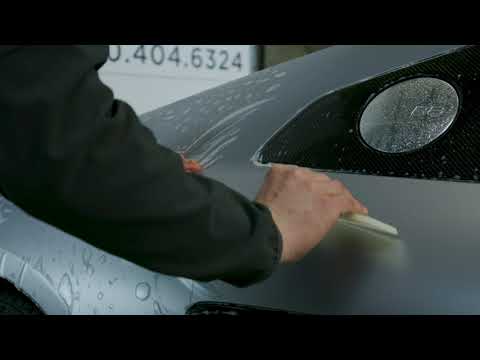
Windshield protection film consists of a multi-layer polyurethane construction specifically engineered for optical clarity on glass surfaces. Unlike paint protection film PPF designed for a car’s paint, glass-specific films include a nanoceramic hardcoat top layer that resists wiper abrasion—a critical difference since glass shows minor scratches more readily than a car’s paint job. PPF is also relatively easy to care for and can be washed and waxed like the rest of the car’s paint.
The film typically measures 6-12 mils thick, creating a physical protective layer that absorbs impact energy from rock chips and road debris. This thickness allows the film to flex and reform, preventing cracks from reaching the glass underneath. Just as PPF protects the paint underneath on body panels, windshield protection film safeguards the glass underneath. Self-healing properties activate through heat, reforming minor scratches from daily wear and wiper friction. The ultra-clear adhesive maintains optical clarity without distortion, making it functionally invisible once installed.
Ceramic Pro Windshield Coating
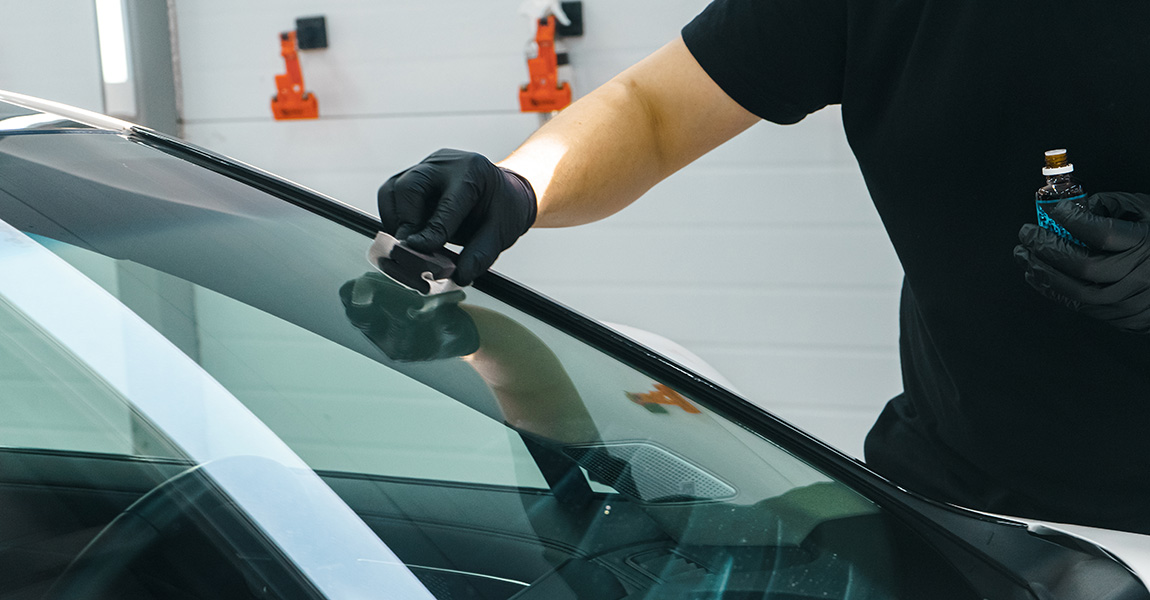
Ceramic Pro windshield coating operates through nano-ceramic technology that chemically bonds to glass at a molecular level. This liquid polymer applied to the surface cures into a durable, transparent shield rated at 9H hardness on the pencil scale. Ceramic coating chemically bonds with a vehicle’s original paint to form a strong layer of protection.
The coating creates a hydrophobic surface with water contact angles exceeding 110 degrees, causing rain to bead and roll off rapidly. This dramatically improves visibility in wet weather compared to untreated glass, where water beads and rolls off. Beyond water repellency, ceramic coating helps by providing chemical resistance, UV protection, scratch resistance, and ease of maintenance, making it easier to keep your windshield clean and protected. The coating also provides chemical protection against acid rain, bird droppings, tree sap, and road salt—environmental factors that degrade untreated glass over time. UV protection from harmful UV rays also helps preserve your vehicle’s interior from fading.
Understanding these fundamental differences in how each technology works reveals why each excels in specific protection scenarios, which the following section explores in detail.
Ceramic coating application is less labor-intensive than film installation but requires an immaculate surface for proper adhesion.
Sharpshield Windshield Coating made by Sharpline
Sharpshield represents another windshield coating option worth considering alongside Ceramic Pro products. Manufactured by Sharpline, this coating uses similar nano-ceramic technology to create a hydrophobic surface on windshield glass.
The Sharpshield formula focuses on water repellency and ease of cleaning, providing protection against environmental contaminants and improving wet-weather visibility. Like other ceramic coatings, it chemically bonds to the glass surface rather than sitting on top of it as a physical barrier.
When comparing Sharpshield to Ceramic Pro coating, consider factors like durability testing history, installer availability through networks like Ceramic Pro Elite Dealer locations, and warranty coverage. Both products address similar protection needs, making application quality and long-term support essential decision factors.
Superior Protection Benefits Analysis
With the technological foundations established, examining specific benefit categories reveals which option delivers superior protection for different concerns.
Impact and Damage Prevention
Protection film provides unmatched defense against physical damage from road debris. Industry testing shows that quality windshield films absorb impacts from rock chips up to 1.5mm without glass penetration—the difference between a small scratch in a replaceable film and a spreading crack requiring a complete windshield replacement.
Highway driving, gravel roads, and following trucks expose windshields to high-impact zones where chips occur most frequently. The film acts as a clear bra for your windshield, sacrificing itself to protect the glass underneath. This physical protection capability represents the film’s primary advantage.
Despite its impressive 9H hardness rating, Ceramic Pro coating cannot prevent rock chips. The coating makes cleaning easier and resists chemical attack, but provides no meaningful impact absorption. This limitation isn’t a flaw—it’s simply not what ceramic coating technology does. For drivers whose primary concern is chip prevention, film remains the only practical solution.
Visibility and Clarity Enhancement
Both options improve visibility compared to bare glass, but through different mechanisms. Coating excels in wet conditions—rain beads into droplets that wind pressure pushes aside, reducing dependence on wipers and improving sight lines during storms. Drivers report the hydrophobic effect as a game-changer for rainy commutes.
Film maintains optical clarity but doesn’t inherently repel water unless it incorporates a ceramic hardcoat layer. Modern glass-specific films, such as ExoShield, include nanoceramic top layers that add hydrophobic properties, narrowing this gap.
In bright sunlight, both options reduce glare compared to degraded glass. The coating’s UV blocking capability also protects interior components from harmful UV rays that cause fading and deterioration over time.
Longevity and Durability Factors
Ceramic Pro coating typically lasts 2-5 years on windshields before requiring reapplication, with performance gradually declining as the hydrophobic properties diminish. Factors accelerating degradation include automatic car washes (especially those with harsh chemicals), improper cleaning products, and extreme climate exposure.
Protection film on windshields lasts 3-5 years—shorter than the 5-10 year lifespan of paint protection film PPF on body panels. Wiper friction creates ongoing stress that eventually wears through even hard-coated films. Replacement involves removing the old film and applying new material, a process that requires professional installation for optimal results.
These durability differences affect long-term value calculations and maintenance planning—considerations addressed in the next section.
Performance Comparison and Installation
Building on the benefit analysis, practical implementation factors determine which option makes sense for specific situations.
Installation Process and Requirements
When film makes most sense: Vehicles frequently exposed to debris—highway commuters, construction area drivers, those on gravel roads, and anyone who’s already replaced a chipped windshield.
When coating makes most sense: Drivers prioritizing rain visibility, easy cleaning, and protection from environmental factors like bird droppings, tree sap, and road salt in variable climates.
Film Installation Process:
- Thorough windshield cleaning and decontamination to remove all residue
- Precise film cutting to match windshield dimensions and curves
- Wet application with positioning solution for accurate placement
- Squeegee work removing air and moisture without trapping contaminants
- Edge sealing and curing period before everyday use
Coating Application Process:
- Deep cleaning, removing oils, residue, and existing coatings
- Surface preparation, ensuring proper bonding conditions
Paint correction may be performed at this stage to restore or polish the car’s paint surface before applying a ceramic coating, ensuring optimal bonding and a smooth finish. - First layer application with even coverage
- Curing time allows molecular bonding to complete
- Second-layer application for optimal hydrophobic performance
For best results and longevity, follow proper care and maintenance recommendations after ceramic coating application.
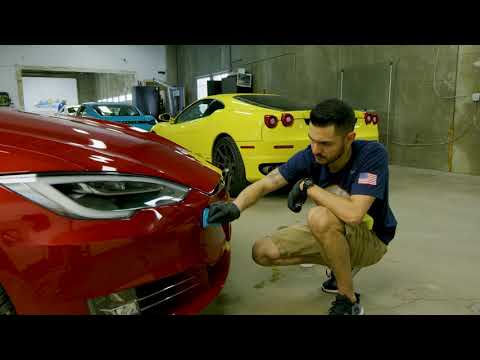
Professional installation proves essential for both options. Film installation is particularly labor-intensive and requires experience to avoid bubbles, haze, or edge lifting. Coating application demands controlled conditions and proper preparation—rushed or amateur application risks peeling and failed bonding. Professional detailers at Ceramic Pro Elite Dealer locations have the training and the environment to deliver successful results.
Cost-Benefit Analysis
Factor | Protection Film | Ceramic Coating |
|---|---|---|
Initial Investment | $400-800 | $150-350 |
Maintenance Cost | Low (regular washing) | Low (pH-neutral soap care) |
Replacement Frequency | 3-5 years | 2-5 years |
Warranty Coverage | Varies by installer | Ceramic Pro warranty available |
DIY Feasibility | Not recommended | Not recommended |
Impact Protection Value | High (prevents replacement) | None |
Visibility Enhancement | Moderate | High |
The cost analysis shifts when considering potential windshield replacement expenses. A single rock chip repair costs $50-100; complete replacement runs $300-1000+, depending on the vehicle. The film’s higher initial cost provides insurance against these expenses. Coating’s lower cost delivers immediate visibility and maintenance benefits without reducing the risk of physical damage.
For maximum protection, some owners layer ceramic coating over protection film—combining chip resistance with enhanced hydrophobic properties. This approach costs more but delivers the best protection available for windshields facing both debris exposure and weather challenges.
Common Challenges and Solutions
Understanding typical issues with each protection type helps maintain performance over time.
Edge Lifting and Adhesion Issues
Film edge lifting typically results from improper installation or using products not designed for glass surfaces. Prevention starts with choosing glass-specific films rather than repurposing paint protection film.
Solution: Select certified installers experienced with windshield applications. If edges begin lifting, have them professionally re-sealed promptly—moisture and dirt underneath accelerate delamination. Avoid automatic car washes with brushes that catch edges. Hand washing with pH-neutral soap protects adhesion integrity.
Water Spotting and Coating Maintenance
Ceramic coating’s hydrophobic properties diminish when mineral deposits from hard water accumulate on the surface. Regular washing prevents buildup, but spots that dry on the coating can etch if left untreated.
Rinse the windshield promptly after rain, especially if it contains dirt, or after driving through sprinklers. Use a dedicated glass cleaner monthly to dissolve mineral deposits. Avoid harsh chemicals that strip the coating. To restore hydrophobic performance, maintenance applications every 6-12 months significantly extend coating life.
Visibility Concerns in Different Weather
Both protection types can present challenges in specific conditions. Film may show hazing if contaminated during installation. Coating effectiveness declines with age, reducing water repellency.
Solution: For film hazing, consult the installer about replacement under warranty. For aging coating, cleaning with appropriate products often restores temporary performance while scheduling reapplication. In bright sunlight, both options perform well, but keeping surfaces clean maximizes clarity regardless of protection type.
Conclusion – Ceramic Pro Windshield Protection
The PPF vs ceramic coating decision for windshields comes down to threat prioritization. Protection film provides superior protection against rock chips and physical damage—essential for highway driving and debris-prone environments. Ceramic Pro coating delivers hydrophobic properties, chemical resistance, and enhanced visibility that transform wet-weather driving while making maintenance easier.
Neither option provides ultimate protection alone. Film can’t match coating’s water repellency; coating can’t stop rock chips. Your driving patterns determine which benefits matter most.
Choose based on your situation:
- Assess your primary windshield threats—do you drive on highways, gravel roads, or face frequent debris exposure? Film first.
- Evaluate your climate—areas with heavy rain, harsh winters with road salt, or areas with tree sap and bird-dropping problems? Coating delivers significant daily value.
- Consider the hybrid approach—film for impact protection topped with a hydrophobic coating provides comprehensive coverage.
- Locate a Ceramic Pro Elite Dealer for professional installation and warranty support.
For vehicles that stay protected in covered parking with minimal highway exposure, coating alone may suffice. For daily drivers on commuter routes or anyone who’s replaced a chipped windshield before, film investment pays for itself in avoided damage.
Combining PPF and ceramic coating on your windshield is the best protection strategy for drivers unwilling to compromise—the film handles physical impacts. In contrast, the coating makes every rainy drive safer and every cleaning session faster.
Additional Resources
Finding Certified Installers: Locate Ceramic Pro Elite Dealer locations through the official Ceramic Pro installer network. Certified installers carry authentic products and provide warranty coverage unavailable through DIY application.
Maintenance Schedules:
- Protection film: Regular washing with pH-neutral soap, inspect edges monthly, professional check annually
- Ceramic coating: Bi-weekly rinse, monthly glass cleaner, maintenance application every 6-12 months
Warranty Expectations: Ceramic Pro offers warranty coverage through authorized installers. Film warranties vary by manufacturer—confirm coverage terms before installation, particularly regarding rock chip damage claims and optical clarity guarantees
- Ceramic Pro Windshield Protection film adds a physical barrier that can help reduce damage from rock chips, sand, and road debris better than a coating alone.
- Windshield coatings improve hydrophobic performance, making rain bead and slide off for clearer visibility, while film adds both water repellency (when treated) and added impact protection.
- Ceramic Pro Windshield Protection film can help resist light scratches and wiper abrasion, whereas coatings can wear down faster in high-wiper-use climates.
- Film may provide added UV filtering and glare reduction options, while coatings focus primarily on slickness, water behavior, and easier cleaning.
- For long-term value, Ceramic Pro Windshield Protection film typically offers more comprehensive protection (impact + abrasion), while coatings are a lower-cost option for visibility and easier maintenance.