
Introduction: Exhaust Manifold Ceramic Coating
Exhaust manifold ceramic coating involves applying high-temperature ceramic compounds to exhaust manifolds to create an effective thermal barrier that reduces surface temperatures by 30-65% while providing exceptional corrosion protection. This specialized coating process transforms standard cast iron manifolds and headers into heat-resistant components that protect engine bay components from radiated heat while improving exhaust gas flow efficiency.
Most car enthusiasts and mechanics search for this information when dealing with excessive engine bay heat, premature component failure, or seeking performance improvements in high-output vehicles.
What This Exhaust Manifold Ceramic Coating Guide Covers
This guide covers coating types and temperature ratings, professional and DIY application methods, performance benefits and heat reduction data, cost considerations, and maintenance requirements. We exclude other engine modifications, such as exhaust wraps or heat shields, and focus specifically on ceramic coating solutions.
Who This Is For
This guide is designed for car enthusiasts, mechanics, performance builders, and DIY automotive restorers looking to protect and enhance exhaust systems. Whether you’re building a high-performance engine or restoring a classic vehicle with cast iron manifolds, you’ll find practical guidance for selecting and applying ceramic coatings.
Why This Matters
Exhaust manifold ceramic coating addresses critical heat management challenges in modern engine bays, where temperatures frequently exceed 1,800°F. The idea of ceramic-coating exhaust manifolds, both internally and externally, is a valuable upgrade that improves engine efficiency and longevity. Properly applied ceramic coatings protect expensive engine components, improve working conditions during maintenance, and can enhance engine performance through better exhaust gas velocity retention.
What You’ll Learn:
- Heat protection benefits and temperature reduction data
- Professional vs DIY application process differences
- Cost considerations and coating durability expectations
- Maintenance requirements for ceramic-coated exhaust manifolds
Table of Contents: Exhaust Manifold Ceramic Coating
Understanding Exhaust Manifold Ceramic Coating
Exhaust manifold ceramic coating is the application of specialized high-temperature ceramic compounds that create a thermal barrier on exhaust manifold surfaces, designed to withstand sustained temperatures up to 2,000°F while reducing heat transfer to surrounding engine bay components.
Unlike regular automotive ceramic coatings designed for paint protection, exhaust manifold ceramic coatings use advanced metallic-ceramic composites or plasma-sprayed finishes formulated for extreme-heat environments. These coatings typically range from 2 to 3 millimeters in thickness and chemically bond to the manifold surface during curing. The ceramic coating forms a protective, heat-insulating layer on the manifold’s metal surface.
Exhaust manifolds specifically benefit from ceramic protection because these metal components operate in the harshest thermal conditions in the engine bay, experiencing rapid temperature cycling from cold starts to operating temperatures exceeding 1,800°F, making them highly susceptible to rust, oxidation, and thermal-stress cracking.
The ceramic coating enhances the manifold’s aesthetics by providing a durable finish that resists discoloration.
Types of High-Temperature Ceramic Coatings
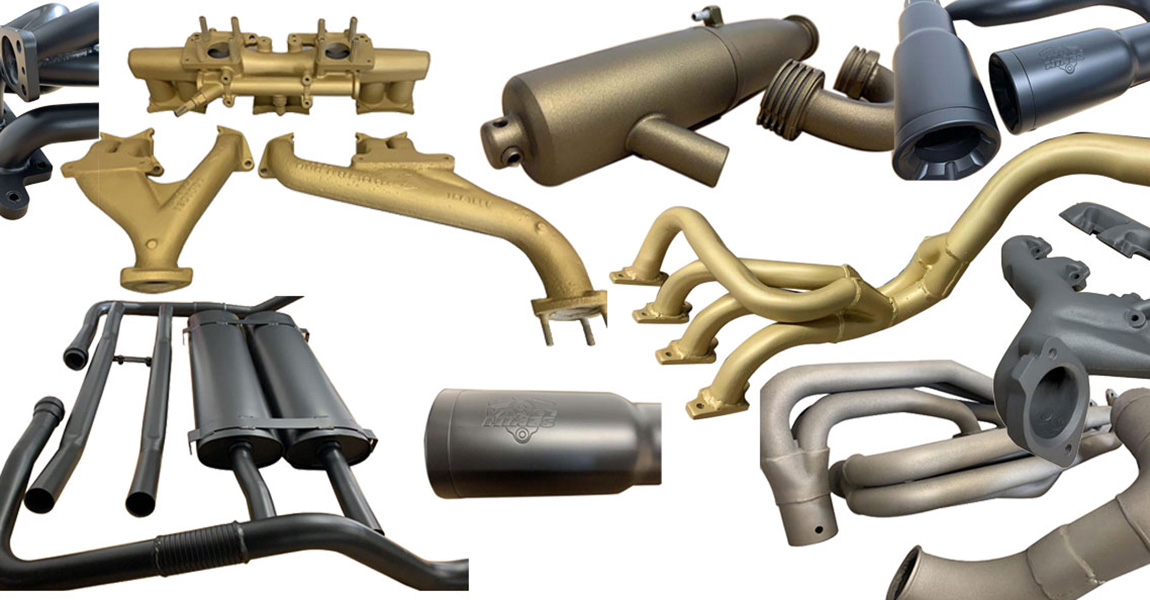
Professional thermal barrier coatings offer the highest temperature resistance, with formulations capable of withstanding 2,000°F+ operating temperatures. These include ceramic chrome finishes for aesthetic appeal, cast iron coatings that replicate OEM appearance, and specialized colored ceramics for racing applications. Colored ceramics can be selected to match other engine bay components, creating a unified, visually appealing look.
DIY high-temperature ceramic paints offer a more accessible option for hobbyists, though they typically have lower temperature ratings of 1,200-1,500°F and require careful surface preparation for proper adhesion.
This connects to exhaust manifold protection because different coating types provide varying levels of heat protection: professional coatings excel in extreme-performance applications, while DIY options suit moderate-heat environments and budget-conscious projects.
For every 5.4 degrees Fahrenheit decrease in the temperature of air ingested by the engine, power output can increase by 1%.
How Ceramic Coating Works on Exhaust Manifolds
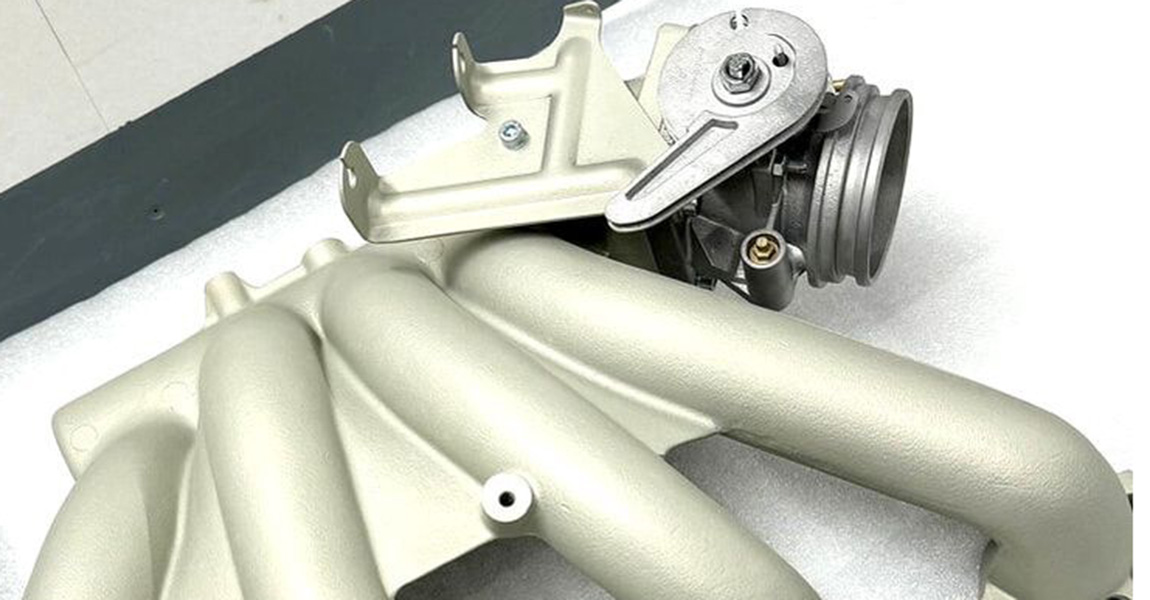
Heat insulation properties create a thermal barrier that prevents heat transfer from the hot exhaust gases to the manifold’s outer surface, keeping the external surface significantly cooler while retaining heat within the exhaust stream, improving gas velocity. Ceramic coatings insulate the manifold, significantly reducing heat transfer. Insulating both the exterior and internal parts of the exhaust manifold enhances the effectiveness of the thermal barrier and further improves engine efficiency.
Surface protection against corrosion and oxidation is achieved through the ceramic coating’s chemical inertness, which creates a barrier that prevents moisture, salt, and combustion byproducts from attacking the underlying cast iron or steel manifold material. Additionally, the coating reduces heat radiation from the manifold into the engine bay, helping to lower under-hood temperatures and protect nearby components. Lower under-hood temperatures result in cooler intake air, improving combustion and increasing power.
Among coating types, the application method directly affects performance: spray-applied coatings penetrate surface irregularities better, while plasma-sprayed finishes create denser, more durable barriers that bond more permanently to the manifold surface.
Transition: Understanding these coating fundamentals leads directly to examining the specific benefits and performance applications that make ceramic coating a worthwhile investment for various automotive applications. These insulating properties improve engine performance and efficiency.
Benefits and Performance Applications
The practical benefits of ceramic-coated exhaust manifolds extend beyond simple heat reduction, encompassing measurable performance gains and significant improvements in component longevity and serviceability. Ceramic coating allows for heat management and performance improvements to be achieved more efficiently.
Heat Management and Engine Bay Protection
Surface temperature reductions of 30-65% on ceramic-coated manifolds create substantially cooler engine bay environments, with coated cast-iron manifolds typically operating 300-500°F cooler on external surfaces than uncoated exhaust manifolds. This helps keep engine bay components cool, which benefits engine longevity and efficiency.
Protection of nearby engine components includes shielding sensitive wiring, plastic components, and the cylinder head from excessive radiated heat, reducing the risk of premature failure in turbo vehicles where exhaust manifolds operate in close proximity to critical components.
Improved under-hood working conditions make routine maintenance safer and more comfortable, as mechanics can work around properly applied ceramic-coated manifolds without risk of burns during normal operating temperatures.
Performance and Efficiency Gains
Retained exhaust gas heat increases exhaust pipe flow velocity by maintaining higher gas temperatures, enhancing scavenging and improving cylinder filling in naturally aspirated engines and reducing turbo lag in forced induction applications. Ceramic coating can also be applied to the downpipe as part of the exhaust system, further enhancing heat retention and overall performance by forming a thermal barrier that keeps heat within the exhaust components.
Faster catalytic converter warm-up occurs because the ceramic coating retains more heat within the exhaust stream rather than radiating it into the engine bay, helping the catalytic converter reach operating temperature more quickly and improving emissions compliance.
The enhanced scavenging effect benefits performance by maintaining exhaust gas momentum, particularly noticeable in naturally aspirated engines, where improved exhaust flow can produce measurable gains in power output and throttle response.
Unlike heat-reduction benefits that protect components, heat retention keeps thermal energy where it’s most useful—within the exhaust system rather than heating the surrounding engine bay.
Corrosion Resistance and Longevity
Preventing rust, oxidation, and thermal cycling damage significantly extends manifold life, with high-quality ceramic coatings demonstrating salt spray resistance exceeding 5,000 hours, compared to uncoated cast iron manifolds that show corrosion within hundreds of hours.
Easier maintenance and bolt removal during future service work result from ceramic coating’s protection against corrosion, preventing the seizure and galling that commonly occurs with uncoated exhaust manifolds exposed to repeated heat cycles and moisture.
Extended exhaust manifold lifespan in harsh conditions makes ceramic coating particularly valuable for vehicles operated in corrosive environments or high-duty cycles where premature manifold replacement would otherwise be expected. Ceramic coating can also be applied to the muffler, providing similar heat resistance and durability benefits, further enhancing the longevity of the entire exhaust system.
Transition: These compelling benefits establish clear value, but successful realization depends entirely on proper application methods and an appropriate coating selection for specific performance requirements.
Cost and Maintenance Considerations
When evaluating ceramic coating for your exhaust manifold, it’s important to consider both the upfront investment and the ongoing maintenance required to keep your system performing at its best. The cost of ceramic coating an exhaust manifold can vary widely, depending on factors such as the type of ceramic coating selected, the manifold’s size and complexity, and the specific application process. For most vehicles, professional ceramic coating services typically range from $100 to $500 or more per manifold, with higher-end coatings and intricate manifolds commanding premium prices. The quality of the ceramic coating and the manufacturer’s reputation can also influence the final cost.
While the initial expense may seem significant, the long-term benefits of ceramic coatings often justify the investment. Properly applied ceramic coatings dramatically reduce radiated heat from hot exhaust gases, helping to protect sensitive engine components and wiring under the hood. This reduction in heat not only improves overall engine performance but also extends the exhaust manifold’s lifespan by providing a durable barrier against corrosion and thermal fatigue.
Maintenance for ceramic-coated exhaust manifolds is relatively straightforward. Regular inspection and gentle cleaning with non-abrasive detergents help preserve the coating’s integrity. Over time, some areas may require touch-ups or reapplication, especially if the vehicle is exposed to extreme conditions or frequent high-heat cycles. However, the robust protection offered by high-quality ceramic coatings means that, when properly maintained, the need for costly repairs or manifold replacements is greatly reduced. In the long run, investing in ceramic coating can save vehicle owners both time and money by minimizing heat-related damage and corrosion, ensuring the exhaust system remains efficient and reliable throughout its service life.

Application Process and Coating Options
Achieving maximum benefits from ceramic-coated exhaust manifolds requires understanding both professional application standards and DIY alternatives, each offering distinct advantages depending on performance requirements, budget constraints, and available resources. Proper installation of the ceramic coat is crucial for achieving maximum heat protection and durability.
Step-by-Step: Professional Ceramic Coating Application
When to use this: High-performance applications, racing vehicles, or situations requiring maximum durability and temperature resistance exceeding 1,800°F continuous operation.
- Manifold Removal and Disassembly: Complete removal of exhaust manifolds from the vehicle, including all flanges, gaskets, and hardware to ensure unrestricted access to all surfaces requiring coating. Ceramic coating can also be applied to other engine components, such as the cylinder block, to improve heat management.
- Surface Preparation: Thorough cleaning, degreasing, and media blasting to remove rust, scale, and oil contamination, and to achieve proper surface roughness for optimal ceramic coating adhesion.
- Professional Application: Spray-booth application of a thermal barrier coating using specialized equipment to achieve a uniform thickness of 2-3 millimeters across all manifold surfaces. Multiple coats may be applied for optimal coverage and performance.
- Controlled Curing Process: Oven curing at manufacturer-specified temperatures, typically 400-600°F for a prescribed duration to achieve full ceramic coating polymerization and maximum temperature resistance. After curing, the manifold is then installed back onto the engine, ensuring proper fit and function.
PRO TIP: Professional ceramic coating services are the best choice for vehicles used in professional racing or operated for multiple hours a day.
Comparison: Professional vs DIY Coating Methods
Feature | Professional Application | DIY Application |
|---|---|---|
Temperature Rating | 2,000°F+ continuous | 1,200-1,500°F |
Durability | 5,000+ hours salt spray | 500-1,000 hours |
Application Complexity | Requires specialized equipment | Spray can or brush application |
Curing Requirements | Controlled oven process | Air dry or home oven; some coatings require running the engine at idle after installation to complete curing |
Cost | $300-600 per manifold | $50-150 per manifold |
Professional applications deliver superior long-term performance and maximum temperature resistance, making them ideal for high-performance vehicles and racing applications, while DIY approaches suit budget-conscious projects and moderate-heat environments where extreme durability isn’t critical.
Transition: Even with proper coating selection and application method, certain challenges commonly arise during the coating process that require specific solutions for optimal results.
Common Challenges and Solutions
Understanding typical issues encountered during exhaust manifold ceramic coating helps ensure successful application and prevents costly failures that could compromise both protection and appearance. Achieving a high-quality polish or finish on the ceramic coating often requires professional application techniques.
Challenge 1: Coating Adhesion Failure
Solution: Proper surface preparation, including complete degreasing with suitable solvents and mechanical roughening through media blasting or aggressive sanding, to create an adequate surface profile for ceramic coating bonding.
Surface preparation is critical because contamination from oil, rust, or inadequate cleaning will prevent the ceramic coating from forming proper chemical and mechanical bonds with the manifold surface.
Challenge 2: Uneven Coverage and Appearance
Solution: Multiple thin coats applied with proper spray pattern technique, maintaining consistent distance and overlap while ensuring adequate flash time between applications to prevent runs and sags.
Using high-quality ceramic coating stuff and professional application methods helps achieve even coverage and optimal insulation.
Environmental conditions during application significantly affect coverage quality, requiring controlled temperature and humidity, along with proper spray gun settings, to achieve uniform ceramic coating thickness.
Challenge 3: Premature Coating Breakdown
Solution: Adequate curing process following manufacturer specifications and proper product selection matched to actual operating temperature range, avoiding under-rated coatings that fail when exposed to excessive heat. Proper ceramic coating also helps maintain optimal temperatures for catalytic converter reactions, which are essential for converting pollutants like NOx and unburned hydrocarbons and improving emissions performance.
Engine tuning considerations are important because overly rich fuel mixtures or advanced timing can raise exhaust gas temperatures beyond the capabilities of even high-quality ceramic coating, leading to premature failure.
Expert Tip: Existing severe corrosion or cracks on the manifold should be addressed before applying a ceramic coating.
Transition: Successfully addressing these challenges ensures ceramic-coated exhaust manifolds deliver their full potential for heat protection and performance enhancement throughout their service life.
Future Developments and Final Thoughts on Ceramic Coating Technology
The future of ceramic coating technology in the automotive world looks brighter than ever, with ongoing advancements promising even greater benefits for exhaust manifolds and other high-heat engine components. Researchers and manufacturers are continually developing new ceramic coatings that can withstand even higher temperatures, offering enhanced protection against radiated heat and further improving engine performance. These next-generation coatings are expected to provide superior corrosion and thermal-shock resistance, making them ideal for both high-performance vehicles and daily drivers operating in demanding environments.
In addition to improved materials, innovations in the application process are making ceramic coating more accessible and cost-effective for a wider range of vehicles. Streamlined DIY kits and more efficient professional techniques are reducing installation times and costs, allowing more vehicle owners to take advantage of the benefits ceramic coatings offer. As these technologies evolve, we can anticipate even more durable and versatile coatings that deliver increased power, better heat management, and longer-lasting protection for exhaust manifolds and other engine components.
In summary, ceramic coating has established itself as a leading solution for managing heat, preventing corrosion, and boosting performance in modern vehicles. Whether you’re a DIY enthusiast looking to extend the life of your exhaust manifold or a professional seeking maximum power and reliability, ceramic coatings offer a proven path to improved engine efficiency and durability. As manufacturers continue to innovate and refine these coatings, the benefits will only increase, making ceramic coating an even more valuable investment for the future of automotive performance and protection.
Conclusion: Exhaust Manifold Ceramic Coating
Exhaust manifold ceramic coating provides measurable benefits in heat management, component protection, and performance enhancement, with surface temperature reductions of 30-65% and corrosion resistance exceeding 5,000 hours when properly applied using appropriate coating formulations. Additionally, ceramic coating helps repel dirt, making cleaning and maintenance of the exhaust manifold easier.
To get started:
- Assess Current Manifold Condition: Evaluate existing manifold condition and identify specific performance needs such as heat protection requirements, aesthetic goals, or budget constraints.
- Research Coating Products: Select ceramic coatings suitable for your vehicle’s operating temperature range, considering professional thermal barrier coatings for high-performance applications or DIY options for moderate heat environments.
- Plan Application Process: Determine whether to pursue professional coating services or a DIY application, ensuring that proper surface preparation and curing process requirements can be met.
Related Topics: Turbo housing ceramic coating, exhaust header wrap alternatives, and complete exhaust system thermal barrier treatments offer complementary heat-management solutions worth exploring for comprehensive engine-bay protection.
Additional Resources
Temperature Rating Guidelines: Professional coatings rated 2,000°F+ for racing applications, 1,500-1,800°F coatings for high-performance street vehicles, and 1,200-1,500°F DIY products for moderate heat environments.
Cost Estimation: Professional ceramic coating typically ranges $300 to $600 per manifold, including preparation and curing, while DIY approaches cost $50 to $150 per manifold, plus preparation time and equipment.
Maintenance Schedules: Inspect ceramic-coated manifolds annually for signs of coating degradation, clean with mild detergent solutions, and avoid abrasive cleaning methods that could damage the ceramic coating surface.