You just picked up a new truck, and you want to keep it looking the way it does right now — clean, sharp, no chips, no fading. Car owners doing a little research keep coming up against two options: paint protection film vs. vinyl wrap. Both go on the outside of your car. Both show up in the same search results. And nobody seems to give you a straight answer about which one actually does what.
Here’s the short version before we get into the details: when it comes to PPF vs. vinyl wrap, they are fundamentally different products built for different jobs. PPF is engineered as a protective layer to defend your vehicle’s paint from physical damage. Vinyl wraps are primarily a decorative tool for aesthetic transformation — a color change, a custom finish, a new look. Knowing which one you actually need — or whether you need both — can save you thousands of dollars and a lot of frustration.
This guide covers what each product is, how they compare head-to-head, what Colorado drivers specifically need to consider, and how to determine which one makes sense for your vehicle.
Quick Answer: PPF (paint protection film) and vinyl wrap are both applied to your car’s exterior, but they serve completely different purposes. PPF is engineered to protect your paint from physical damage like rock chips, scratches, and UV rays. Vinyl wrap is designed primarily to change your car’s appearance. If protection is your priority, PPF wins. If you want a new color or custom look, a vinyl wrap is the right tool. Contact Colorado Clear Bra to learn more about Suntek Reaction PPF Installation.
Table of Contents
What Is PPF (Paint Protection Film)?
Paint protection film — also called a clear bra or PPF — is a thick, transparent film applied directly to your vehicle’s painted surfaces. It’s engineered for one primary purpose: protecting your paint from physical damage.
PPF is made from thermoplastic polyurethane (TPU), a flexible, impact-resistant material that absorbs punishment so your paint doesn’t have to. Think of it like a screen protector for your phone, but built to handle highway speeds, gravel, UV radiation, and Colorado weather.
A few things that set PPF apart:
- Thickness: Quality PPF runs 6–10 mil thick — roughly three times thicker than vinyl wrap. That thickness is what allows it to absorb rock chip impacts without letting them reach your vehicle’s paint.
- Self-healing properties: This is one of PPF’s most impressive features. Minor scratches and swirl marks in the film literally disappear when exposed to heat — sunlight or warm water activates the film’s memory and smooths the surface back out. These self-healing properties mean your paint stays looking pristine without you having to do anything. Learn more about how self-healing PPF works.
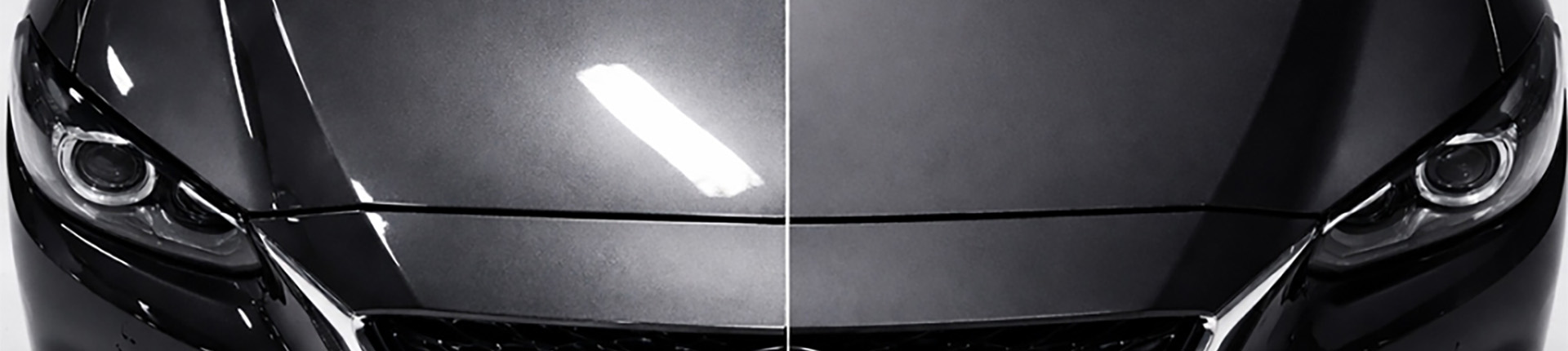
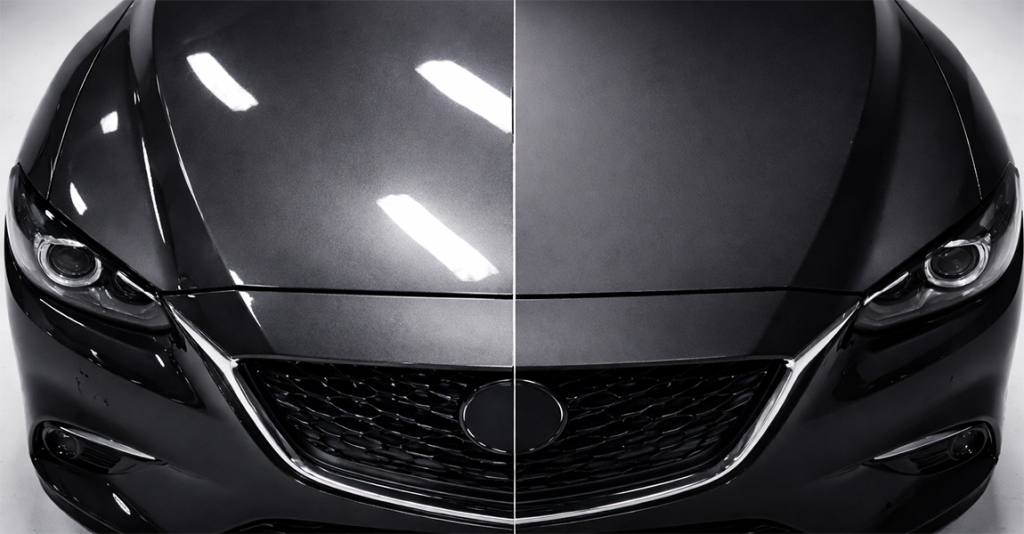
- Invisible protection: PPF is optically clear. Your car’s original color, finish, and shine all show through exactly as intended. That invisible protection means nobody will know it’s there — unless a rock hits your hood and bounces off harmlessly.
- UV ray defense: PPF blocks harmful UV rays that cause paint fading and oxidation over time — a major protective benefit for vehicles in Colorado’s high-altitude sun.
- Coverage options: PPF can be applied to your full vehicle or to targeted high-impact areas like the hood, front bumper, fenders, mirrors, door edges, and rocker panels.
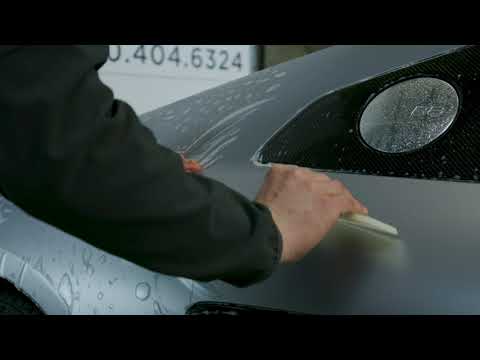
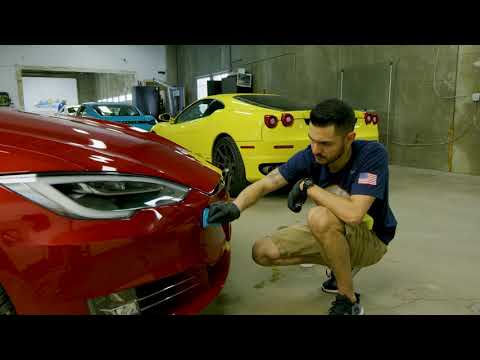
At Colorado Clear Bra, we install SunTek Reaction and SunTek Ultra — two of the highest-rated PPF films on the market — as well as 3M film, depending on the application. The installation process involves custom-cut film fitted precisely to your vehicle’s panels, applied wet for accurate positioning. PPF installation is more technical than most people expect — the film’s thickness and self-healing properties require installers to understand each vehicle’s paint contours and to use precise heat-application techniques to achieve a clean, seamless result. That’s why professional installation matters so much with PPF.
What Is Vinyl Wrap?
Vinyl wrap is a thin, colored film applied to your car’s exterior to change its appearance. It’s designed for aesthetics first — and protection second, at best. Vinyl wrap is often chosen for its affordability and ease of customization compared to PPF, making it an accessible option for owners who want a fresh look without a larger investment.
Vinyl is made from polyvinyl chloride (PVC), a lightweight material that can be manufactured in virtually any color, finish, and texture imaginable. Matte black, satin white, brushed metal, deep gloss red, color-shifting iridescent — if you can imagine a finish, vinyl probably comes in it.
Here’s what vinyl wraps do well:
- Color change: A full vinyl wrap is the most affordable way to completely transform your car’s look without a paint job.
- Reversibility: Peel it off, and the original factory paint is preserved underneath, which is why many lease drivers use wraps.
- Custom graphics: Vinyl wraps allow for partial wraps, accents, chrome deletes, and fully custom designs.
And here’s where vinyl wraps have limits:
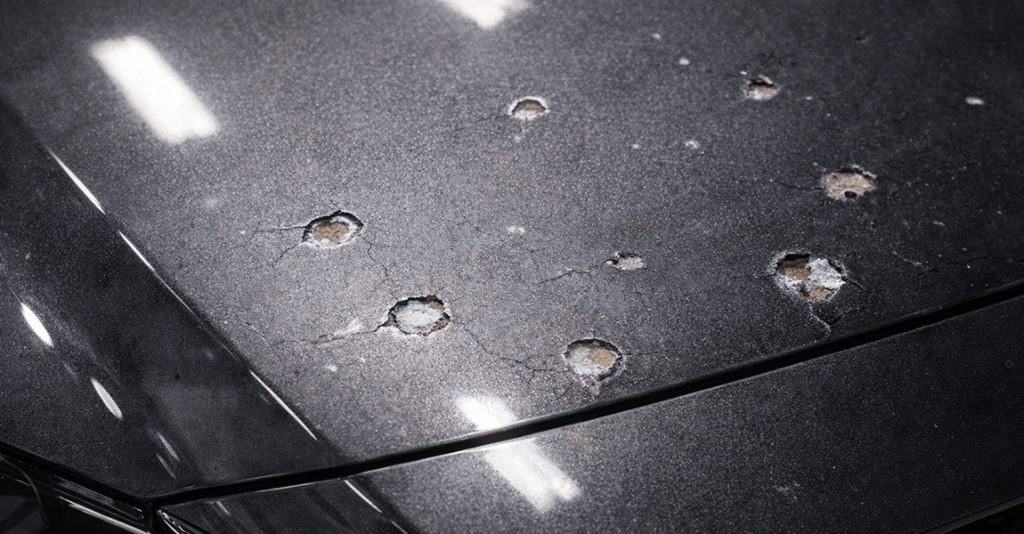
- Vinyl is thin — typically 3–5 mil. At that thickness, a rock at highway speed goes right through it, just like bare paint.
- Vinyl does not have self-healing properties. Minor scratches and scuffs stay visible.
- Lifespan is shorter — expect 3–5 years from a quality vinyl installation before it starts to fade, peel at the edges, or lose its finish.
PPF vs. vinyl wrap installation involves careful surface cleaning and precise film application, with heat guns used throughout to ensure optimal adhesion to the vehicle’s surface. While the process is less technically demanding than PPF installation, quality vinyl wrap installation still requires an experienced hand to avoid lifting edges, bubbles, and misaligned seams.
One important note: Colorado Clear Bra specializes in PPF, ceramic coating, and window tinting. We don’t install vinyl wraps. If a color change is part of your goal, we’ll talk through the options that make sense — including color PPF, which we’ll cover in a moment.
PPF Installation vs. Vinyl Wrap Installation: The Key Differences
Here’s how PPF vs vinyl wrap compares across the factors that matter most to most car owners:
| Feature | PPF | Vinyl Wrap |
|---|---|---|
| Primary Purpose | Paint protection | Color change / aesthetics |
| Material | TPU (thermoplastic polyurethane) | PVC (polyvinyl chloride) |
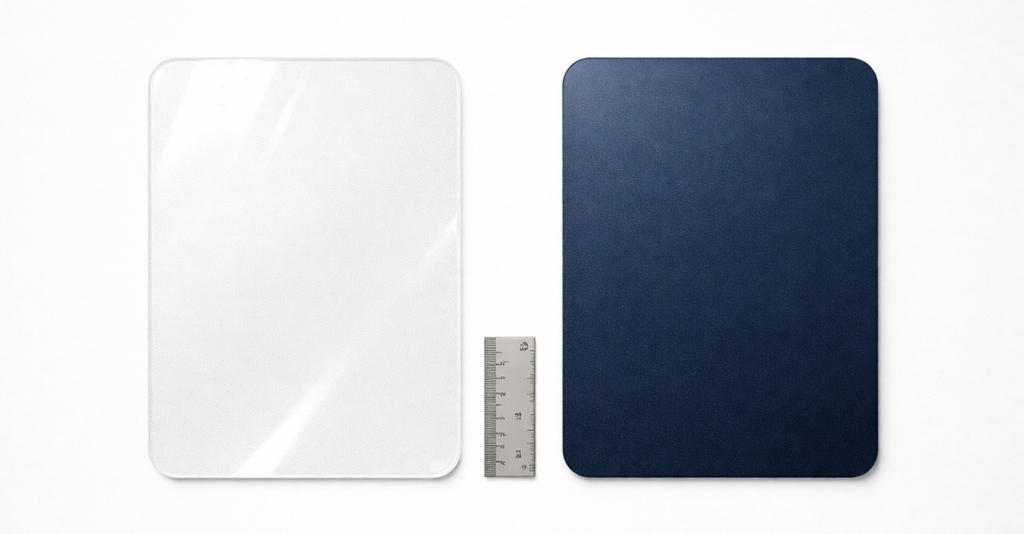
| Thickness | 6–10 mil | 3–5 mil |
| Rock Chip Protection | Yes — engineered for it | No |
| Self-Healing | Yes (heat-activated) | No |
| Color Options | Clear (or color PPF) | Hundreds of colors and finishes |
| Lifespan | 7–10 years | 3–5 years |
| Reversible | Yes | Yes |
| Full Vehicle Cost (Denver) | $3,000–$8,000+ | $2,000–$5,000 |
Let’s go deeper into the ones that actually drive the decision.
Protection Level
This is the most important difference, and it’s not close. Paint protection film is purpose-built to absorb impact. The TPU construction flexes on contact and distributes the energy of a rock strike across the film rather than into your vehicle’s paint. Vinyl cannot do this — it’s simply too thin and too brittle to provide meaningful protection against road debris. The protective benefits of PPF vs vinyl wrap in this regard are in a completely different category from those of vinyl wraps.
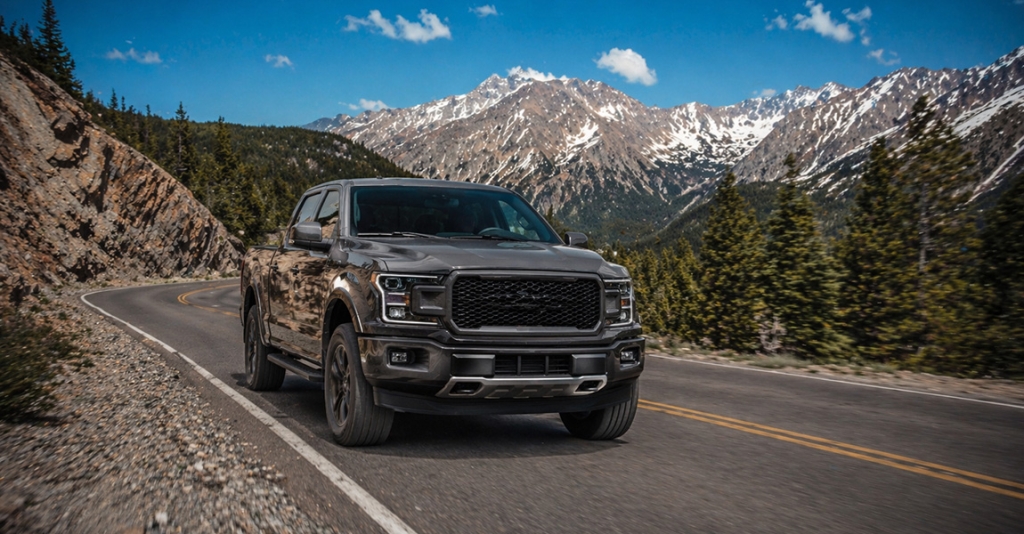
If you park in a garage and commute on surface streets, this difference matters less. If you regularly drive I-25, I-70, or mountain roads with loose gravel, vinyl is not a superior protection solution. It’s a cosmetic one. PPF’s invisible protection keeps your paint pristine without changing your vehicle’s appearance at all.
Appearance and Customization
This is where vinyl has a real advantage. PPF is clear — it keeps your paint looking exactly as it does now, just better protected. Vinyl opens up a nearly unlimited range of colors, finishes, and graphic options.
One newer development worth knowing about: color PPF. Manufacturers like SunTek, XPEL, and 3M now offer PPF in a growing range of colors and finishes. Color PPF gives you a color change and physical protection in one film — at a higher price point, but without having to choose between the two goals.
Durability and Lifespan
Quality PPF installed by a certified shop typically lasts 7–10 years. Its self-healing properties keep the surface looking clean throughout that lifespan, and it resists yellowing, UV damage, chemical etching from bird droppings and tree sap, and road salt — all real issues for Colorado vehicles. The protective benefits of that UV damage resistance are particularly important at Colorado’s elevation, where UV rays hit harder than in most of the country. Vinyl wraps, even high-quality ones, start to show their age in 3–5 years, particularly in high-UV environments where UV damage accelerates fading and adhesive breakdown.
Cost
PPF costs more upfront — there’s no way around it. Full vehicle PPF in the Denver market typically runs $3,000–$8,000+, depending on vehicle size, coverage level, and film brand. Professional vinyl wrap installation runs $2,000–$5,000 for a full vehicle, and vinyl wrap installation on partial areas or accent panels can be done for significantly less.
But the cost per year tells a different story. PPF at $5,000 over 10 years works out to $500/year. Vinyl at $3,000, replaced every 4 years, is $750/year — and that’s before accounting for the paint repairs that professional installation of PPF would have prevented. See PPF installation cost in Denver for a detailed breakdown.
Final Thoughts – Which Is Better for Colorado Drivers?
This is where national comparison articles miss the mark entirely. Colorado isn’t like most states. Your car faces a specific set of hazards here that should directly influence this decision.
Hail. Colorado ranks among the top states in the country for hail frequency and severity. The Front Range, in particular, gets hammered in late spring and summer. Vinyl wrap provides essentially no meaningful protection against hail — the film is too thin to absorb the impact energy. PPF covers only the surfaces it’s applied to (roofs and trunks typically aren’t included in standard PPF packages), but on the areas it does cover, it provides an additional barrier that bare paint doesn’t have. No film is marketed as hail-proof, but PPF is a materially better option than vinyl when hail is a concern.
UV exposure at altitude. Denver sits at 5,280 feet above sea level. UV rays are 25–50% more intense at altitude than at sea level, and Colorado gets over 300 days of sunshine a year. That UV damage adds up fast — fading clear coats, oxidizing paint, and dulling finishes that would otherwise stay pristine. PPF’s UV-blocking urethane construction holds up better over time in this environment than vinyl’s PVC construction, which is more prone to fading and surface degradation under prolonged exposure to UV rays.
I-70 and mountain roads. If you drive to the mountains regularly — or even commute on highways with gravel shoulders — rock chips are a near certainty. PPF is specifically engineered for this. Vinyl is not. It’s that simple.
Road salt. Colorado’s DOT applies salt and chemical deicers heavily all winter. Salt that gets under a vinyl wrap’s edges can accelerate paint oxidation. PPF’s installation is more precise, and its urethane construction creates a more reliable barrier against salt and chemical exposure.
Resale value. Colorado has a strong used-car market, and paint condition has a direct impact on trade-in and private sale value. A vehicle with clean, protected paint — especially one with documented professional PPF installation — commands more on resale than a comparable vehicle with chips and oxidation.
Can You Combine PPF and Vinyl Wrap?
Yes — and for some owners, it’s the smartest approach to the PPF vs vinyl wrap decision: don’t choose, use both where each one makes sense.
The most common strategy is to apply PPF to the high-impact zones that take the most damage: the full front end, hood, bumper, mirrors, A-pillars, and rocker panels. Then apply vinyl wraps over the rest of the vehicle for the color change and custom look.
Some owners go one step further and add a ceramic coating on top of both films, which adds a hydrophobic layer that makes washing easier and enhances gloss.
When it comes to maintenance, both PPF and vinyl wraps should be kept away from harsh chemicals and high-pressure washing to ensure their longevity and effectiveness. For vinyl wraps specifically, hand washing is recommended — automatic car washes with brushes can catch edges and cause premature lifting or peeling.
This layered approach does increase total cost, but it gives you comprehensive coverage: impact protection where the car needs it most, aesthetic customization everywhere else, and easy maintenance on top. If this is the direction you’re considering, a conversation with an installer who knows both products is the right first step.
PPF or Vinyl Wrap — Which Should You Choose?
Here’s a straightforward decision guide based on what we see most often at Colorado Clear Bra:
Choose PPF if:
- Protecting your paint from rock chips, scratches, and road debris is your primary goal
- You drive on Colorado highways, mountain roads, or gravel regularly
- You want to preserve your car’s resale value with clean, documented paint protection
- You plan to keep the vehicle for 5 or more years
- You want a long-term solution that doesn’t require replacement every few years
Choose vinyl wrap if:
- A dramatic color change or custom look is your main goal
- Aesthetics matter more than physical paint protection
- You like changing your car’s appearance every few years
- Budget is a primary constraint, and you understand the protection tradeoffs
Consider color PPF if:
- You want both a color change and physical protection from a single product
- You’re willing to invest more for a product that does both jobs well
- You want a longer-lasting result than standard vinyl
Still Not Sure? Let Colorado Clear Bra Help You Decide.
PPF protects. Vinyl transforms. For most Colorado drivers who are serious about their vehicle’s long-term condition, PPF is the stronger investment — especially given what our roads, our weather, and our altitude can do to unprotected paint.
At Colorado Clear Bra, we’ve been protecting Front Range vehicles for years with professional PPF installation using SunTek and 3M films. If you’re trying to figure out what level of coverage makes sense for your specific vehicle and how you drive, we’re happy to walk you through it — no pressure, just straight answers.
Get a Free PPF Quote or find out more about our Denver PPF installation services.
Frequently Asked Questions
Is PPF better than vinyl wrap? It depends on your goal. PPF is better for paint protection — it stops rock chips, scratches, and road debris that vinyl simply cannot. Vinyl wrap is better for changing your car’s color or appearance. If you want both protection and a color change, color PPF is an option that combines them in one product.
How long does PPF last compared to a vinyl wrap? Quality PPF installed by a certified professional typically lasts 7–10 years. Vinyl wrap generally lasts 3–5 years before it needs replacement to maintain its appearance and adhesion.
Does vinyl wrap protect against rock chips? No. Vinyl wrap is not designed to absorb impact. At 3–5 mil thick, a rock at highway speed will penetrate vinyl film just as easily as bare paint. PPF — at 6–10 mil and made from TPU — is specifically engineered to stop rock chips and road debris.
Can you put PPF over a vinyl wrap? Not typically. PPF is designed to adhere directly to painted surfaces. The more common approach is to apply PPF to high-impact zones first, then apply vinyl wrap over the remaining panels for a color change — giving you protection where it counts most and aesthetics everywhere else.
How much does PPF cost compared to a vinyl wrap in Denver? In the Denver market, a professional vinyl wrap typically runs $2,000–$5,000 for a full vehicle. Professional PPF for a full vehicle ranges from $3,000 to $8,000+, depending on coverage level, vehicle size, and film brand. PPF costs more upfront but lasts significantly longer and prevents costly paint repairs over time.
Colorado Clear Bra serves Denver, Wheat Ridge, Arvada, Lakewood, Boulder, and the greater Front Range. Professional PPF and ceramic coating installation using SunTek, SunTek Reaction, and 3M films.