Introduction: SunTek CIR Window Tinting
SunTek CIR window tinting is a premium nano-ceramic automotive window tint engineered with advanced ceramic construction that delivers exceptional infrared rejection while maintaining crystal-clear visibility. SunTek ceramic tint is a scientifically formulated, high-quality window film from the CIR Series, designed for vehicle owners who demand superior heat rejection without compromising their electronic devices or driving experience.
SunTek CIR offers up to 84% selective infrared rejection with zero signal interference, making it an ideal choice for drivers seeking cooler cabins and UV protection without GPS, cell phone, or radio disruption. This advanced ceramic technology is engineered to deliver superior heat rejection, UV protection, and glare reduction, enhancing comfort and performance.
This guide covers everything you need to understand about SunTek CIR ceramic tint, from the underlying technology and performance specifications to installation considerations and vehicle-specific applications. SunTek CIR is designed to protect both vehicles and occupants from harmful UV rays, excessive heat, and interior fading, ensuring greater comfort, safety, and longevity for your car’s interior. Whether you’re considering tint for a Tesla, truck, or sedan, this content provides the details you need to make an informed decision.
Additionally, SunTek CIR is positioned as a more budget-friendly alternative to premium brands like 3M Crystalline and XPEL Prime XR, making it an attractive option for those seeking high performance at a more accessible price point.
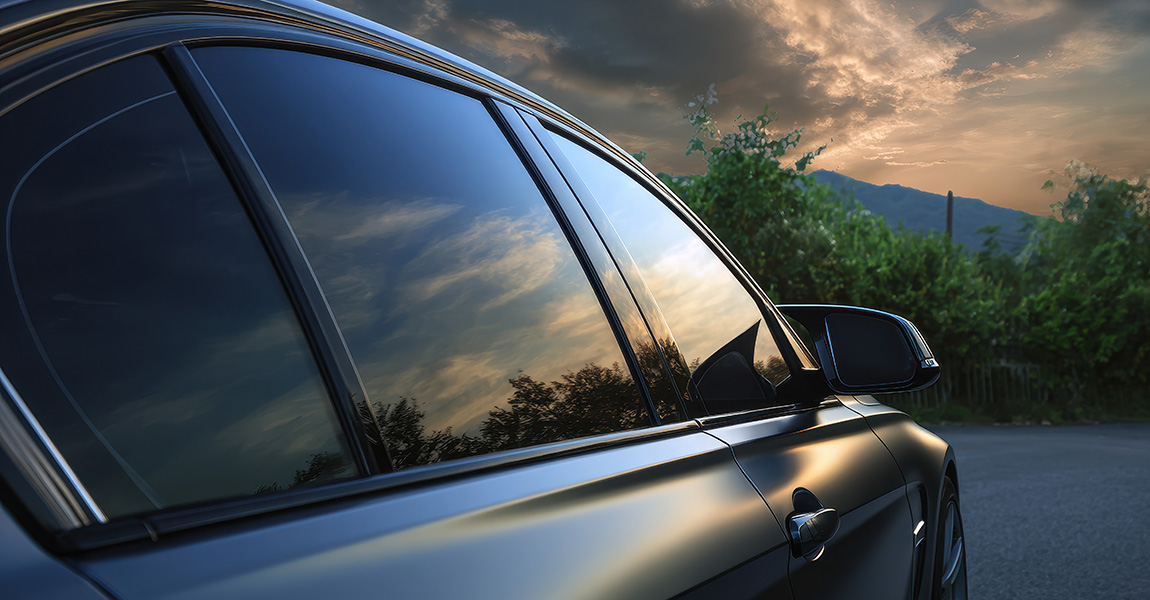
SunTek offers four main window tint options: Carbon, CXP, CIR, and Evolve.
Key outcomes from this guide: SunTek CIR Window Tinting
- Understanding how nano ceramic technology achieves superior heat rejection
- Specific performance data for SunTek CIR, including UV protection and visible light transmission options
- Installation quality indicators and professional standards
- Vehicle-specific applications and climate considerations
- Comparison insights versus other SunTek products like CXP and Evolve
Table of Contents
Understanding Ceramic Window Tint Technology
Ceramic window tint represents a significant upgrade over traditional dyed or metallic film options, using microscopic ceramic particles to block infrared radiation without the drawbacks of older technologies. The performance of ceramic window tints is often subject to rigorous testing protocols to ensure heat rejection and clarity. This advancement has positioned ceramic tint as the preferred choice for vehicle owners prioritizing both performance and electronic compatibility.
Nano-Ceramic Construction
The ceramic construction of SunTek CIR embeds microscopic ceramic nanoparticles throughout a multi-layer polyester substrate. These particles, invisible to the naked eye, absorb and dissipate solar infrared energy before it enters your car’s cabin.
SunTek’s marketing references the heat-shielding ceramics used on the Space Shuttle during atmospheric re-entry—a fitting comparison given that both applications harness ceramic material properties to manage extreme thermal loads. The nano-ceramic particles in the CIR target absorb infrared wavelengths between 780 and 2500 nanometers, which carry the primary heat energy from sunlight.
Non-Metal Composition Benefits
Unlike older metalized films that reflect radio frequencies, SunTek CIR’s metal-free composition eliminates signal interference entirely. Your GPS navigation, satellite radio, cellular phone, keyless entry systems, and tire pressure monitoring systems work without degradation.
This non-metallic approach solves a persistent problem with earlier-generation window film products. Metal-dyed tints from the 1980s and 1990s often disrupted electronics, making ceramic tint especially relevant as vehicles incorporate more connected technology and drivers depend on seamless phone and navigation performance.
Selective Infrared Rejection (SIRR)
Selective Infrared Rejection measures how effectively window film blocks heat-carrying infrared wavelengths while allowing visible light transmission. SunTek CIR achieves up to 84% selective infrared rejection, as measured by spectrometry in accordance with industry standards such as ASTM E903.
The number representing visible light transmission (VLT) or infrared rejection is a key specification when selecting window tint. This selectivity means CIR reduces cabin heat without requiring an extremely dark tint. Understanding these measurements helps you choose the right visible light transmission level for your needs and local regulations.
SunTek CIR Specifications and Performance
Building on the ceramic technology foundation, SunTek CIR delivers measurable performance benefits that translate to real-world comfort and protection during daily driving.
Heat Rejection Capabilities
SunTek CIR provides up to 84% infrared rejection across its product line, with total solar energy rejection rates often exceeding 50-60% depending on the selected shade. This translates to interior temperature reductions of 10-20°F in direct sunlight based on installer reports.
The practical impact extends to your vehicle’s air conditioning system. Reduced heat load means your AC runs more efficiently, which matters significantly for comfort in hot climates and for optimizing electric vehicle range. Installers consistently report that customers experience noticeably cooler cabins immediately after installation.
UV Protection and Glare Reduction
Every SunTek CIR product blocks over 99% of harmful UVA and UVB rays—equivalent to SPF 1,000 sunblock protection. This protection prevents the interior degradation of leather, vinyl, and plastic components while reducing skin exposure during extended driving.
Glare reduction improves driving safety and visual comfort. The non-reflective charcoal appearance of CIR minimizes harsh reflections from both sides of the glass, making the film a great option for daily commuters and long-haul drivers who experience significant sun exposure.
Available VLT Options
SunTek CIR comes in eight darkness levels, typically ranging from 5% to 70% visible light transmission. SunTek CIR is available in multiple shades with VLT options from 5% to 80%, giving you a wide range of choices to suit your needs:
- 70% VLT: Near-clear appearance with maximum light, ideal for windshield applications
- 50% VLT: Light tint balancing visibility and privacy
- 35% VLT: Common legal limit for front side windows in many states
- 15-20% VLT: Dark appearance with good privacy
- 5% VLT: Maximum privacy, typically restricted to rear windows. This number means only 5% of visible light is allowed to enter.
Lower VLT percentages indicate a darker tint. The VLT number indicates the percentage of visible light allowed through the film. Many U.S. states require a minimum 35% VLT on front side windows, so checking local regulations before installation is essential.
Installation Process and Quality Considerations
Professional installation determines whether your SunTek CIR window tint delivers its full performance potential. Choosing a reputable tint shop is crucial for ensuring quality installation and workmanship. The ceramic film requires proper technique and a controlled environment to achieve manufacturer warranty coverage and optimal results.
Pre-Installation Preparation
Quality installation begins with thorough preparation:
- Complete vehicle inspection to identify existing window damage or contamination
- Detailed window cleaning to remove all debris, oils, and residue
- Precise measurement using pattern-cutting software like SunTek’s Core system
- Vehicle-specific film cutting based on year, make, and model templates
Authorized dealers use computer-generated templates that fit around curves and contours specific to each car or truck model, ensuring accurate coverage without gaps or excessive overlap.
Installation Technique
The wet application process involves applying a slip solution to both the glass and film adhesive, positioning the tint precisely, then using squeegees to remove moisture and air. Proper squeegee technique prevents bubbles while ensuring full adhesion.
Curing time typically ranges from 3 to 7 days, depending on climate conditions. During this period, minor haziness or water pockets may appear—this is normal and resolves as moisture evaporates through the film.
Quality Indicators
Professional installation meets specific standards:
- No visible bubbles or air pockets
- Consistent edge coverage with minimal gaps
- Proper adhesion without peeling or lifting
- Clean appearance without debris trapped under the film
Some ceramic films display a mottled appearance when viewed through polarized sunglasses—this is a characteristic of ceramic construction, not an installation defect.
Window Tint Durability
SunTek CIR has a non-reflective black finish that resists peeling, cracking, and fading.
Suntek CIR Ceramic Windshield Tint (Heat & UV Protection)
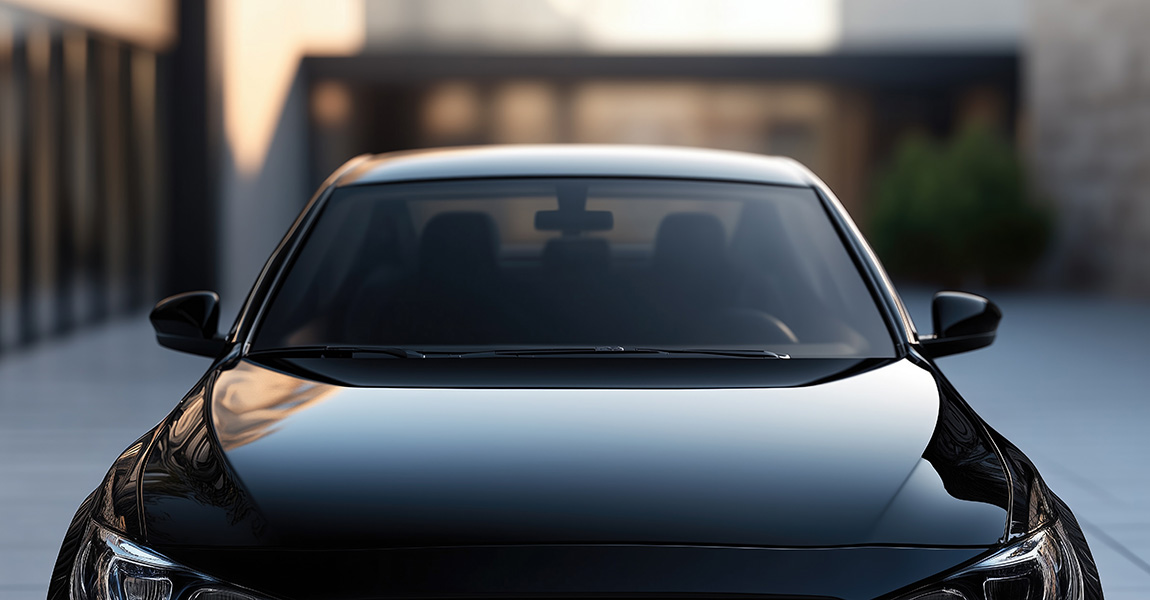
Windshield ceramic tint with SunTek CIR provides the same infrared rejection and UV protection for your front glass, where solar exposure is typically most direct. High VLT options maintain the clear visibility required for safe driving while blocking significant heat.
The windshield receives the most direct sun exposure in most driving scenarios, making Suntek ceramic protection particularly valuable for this surface. Installers report that windshield tint often delivers the most noticeable comfort improvement, reducing dashboard heat and driver sun exposure.
Suntek CIR Front Windshield Tint Options (Light VLT for Clear Visibility)
SunTek CIR front windshield tint applications typically use 70% VLT or higher to maintain maximum visibility while providing heat rejection. This light tint remains nearly invisible while blocking infrared radiation.
Most states restrict windshield tinting to specific zones or to minimum VLTs. Before scheduling installation, verify local regulations—many jurisdictions permit only the top few inches of windshield tinting or require medical exemptions for full coverage. A knowledgeable dealer can provide details on compliance requirements.
Suntek CIR Side Window Tint (Privacy, Glare Reduction & Comfort)
Side windows benefit significantly from SunTek CIR tint through combined privacy, glare reduction, and thermal comfort improvements. The non-reflective charcoal finish provides a sleek aesthetic while reducing exterior visibility into the interior.
Driver and front passenger windows are subject to the most restrictive VLT regulations, often requiring 35% or higher transmission. Rear side windows typically allow darker options down to 5% VLT in many jurisdictions. This flexibility lets you add substantial privacy for back seat passengers and cargo areas while maintaining legal compliance at the front.
Suntek CIR Rear Window Tint (Cooling Performance & Added Privacy)
SunTek CIR rear window tint delivers maximum cooling performance and privacy protection. Rear glass often accounts for substantial cabin heat gain, particularly in hatchbacks, SUVs, and wagons with large rear surfaces.
Darker VLT options (5-20%) work well for rear windows in most regions, providing significant heat rejection and privacy without the legal restrictions applied to forward-facing glass. This makes rear window tint an excellent starting point for vehicle owners new to automotive window tint.
Suntek CIR Window Tint for SUVs (Large Glass, Maximum Heat Rejection)
SUVs present unique tinting opportunities due to their extensive glass surface area. SunTek CIR ceramic tint addresses the heat management challenges posed by panoramic windows, sunroofs, and large rear cargo-area glass.
The combination of high infrared rejection and non-metallic construction proves especially valuable in SUVs equipped with multiple electronic systems, rear entertainment screens, and advanced driver assistance features. A large glass area means substantial heat-gain potential—ceramic tint enhances cabin comfort during summer months.
Suntek CIR Window Tint for Trucks (Cab Comfort, UV Protection & Durability)
Truck owners benefit from SunTek CIR through enhanced cab comfort during work and recreation. Extended cab and crew cab configurations with multiple window surfaces gain significant protection from the ceramic film’s heat-rejection and UV-blocking capabilities.
The durability of SunTek CIR matters for trucks that see demanding use. The manufacturer’s lifetime limited warranty covers adhesive failure and provides assurance against color shift, fading, peeling, cracking, or delamination—important considerations for vehicles that experience varied conditions and extended outdoor exposure. For even more robust paint protection, SunTek Reaction PPF offers self-healing technology and advanced durability to further defend your vehicle’s finish.
Suntek CIR Tint for Teslas & EVs (Better Cabin Efficiency, Less Heat Load)
Tesla and EV owners find particular value in SunTek CIR’s heat rejection capabilities. Reducing cabin heat load directly impacts HVAC energy consumption, thereby improving range—a critical consideration for electric vehicle operators.
The ceramic tint’s zero-signal interference ensures Tesla’s extensive electronics, including over-the-air updates, navigation, and Autopilot sensors, operate without degradation. Many Tesla owners also appreciate the aesthetic upgrade that tint provides to the vehicle’s large glass roof and expansive window surfaces.
Suntek CIR for Hot Climates (Infrared Rejection That Keeps You Cooler)
Hot climate regions see the greatest benefit from SunTek CIR’s infrared rejection performance. In conditions reaching 90°F and above, the film substantially extends parked-vehicle cooldown time and reduces air conditioning strain during driving.
Installers in southwestern states and southern regions report consistently positive customer experiences, with many drivers noting immediate comfort improvements. The ceramic technology performs year after year without degradation, making it a worthwhile investment for car owners in sun-intensive environments.
SunTek CIR vs Other Tint Options
Understanding how SunTek CIR compares to other options helps you select the right film for your specific needs and budget.
Suntek CIR Series Nano Ceramic Window Tint Film
SunTek CIR™ Series Nano Ceramic Window Tint Film features a ceramic construction that enhances solar performance and infrared protection while blocking up to 99% of UV rays.
It’s offered in multiple shade levels with a non-reflective appearance and is backed by a manufacturer’s lifetime limited warranty (including protection against color change).
CIR vs SunTek Carbon
SunTek Carbon series uses carbon-based technology rather than ceramic particles. While carbon tint provides good aesthetics and UV protection, CIR delivers superior infrared rejection—up to 84% compared to lower-carbon tint. CIR costs more but justifies the premium through measurably better heat reduction.
CIR vs SunTek CXP
SunTek CXP uses nano-hybrid carbon technology, achieving up to 73% infrared rejection. CIR’s ceramic construction outperforms CXP in heat rejection while maintaining the same signal-safe characteristics. CXP offers a more affordable entry point, while CIR provides the upgrade for drivers prioritizing maximum cooling.
CIR vs SunTek Evolve
SunTek Evolve represents the premium tier above CIR, using HeatResist™ nanoparticles to achieve up to 94% infrared rejection. For extreme heat scenarios or drivers seeking maximum possible performance, Evolve delivers the ultimate ceramic tint experience. CIR balances excellent performance with a more accessible price point.
Feature | CIR | CXP | Evolve |
|---|---|---|---|
IR Rejection | Up to 84% | Up to 73% | Up to 94% |
Technology | Nano Ceramic | Nano-Hybrid Carbon | HeatResist™ Nanoparticles |
Signal Safe | Yes | Yes | Yes |
Price Point | Premium | Mid-Range | Ultra-Premium |
Common Challenges and Solutions
Addressing typical concerns helps set appropriate expectations for your SunTek CIR installation.
Mottled Appearance with Polarized Sunglasses
Some drivers notice a mottled or rainbow pattern when viewing ceramic-tinted windows through polarized sunglasses. This is a normal characteristic of ceramic film construction, not an installation defect. The effect results from the interaction between polarized lenses and the ceramic nanoparticle layer.
Cost Considerations
SunTek CIR Window Tinting costs more than basic dyed or carbon window tint films—typically $400-800 for full sedan coverage through authorized dealers. However, the long-term value includes reduced interior wear, improved comfort, and potential savings in AC efficiency. Quality ceramic tint is an investment in your vehicle and driving experience.
Legal Compliance
VLT regulations vary significantly by state and jurisdiction. Before installation, research your local requirements or ask your dealer team for guidance. Most states permit darker tint on rear windows while restricting front window darkness. Violations can result in traffic stops and fix-it tickets.
Conclusion: SunTek CIR Window Tinting
SunTek CIR delivers premium ceramic tint performance that balances exceptional heat rejection with signal-safe operation and long-term durability. The scientifically formulated nano ceramic construction provides up to 84% infrared rejection while blocking 99% of UV rays—making it an excellent choice for car owners seeking comfort, protection, and quality.
Action steps to move forward:
- Research your local VLT regulations to understand legal options for each window
- Find a certified SunTek dealer or installer through the official dealer locator
- Schedule a consultation to discuss VLT selection, pricing, and timeline
- Plan for a 3-7 day curing period after installation
Consider warranty coverage details, maintenance requirements (ceramic tint needs only standard window cleaning), and whether to upgrade to Evolve for maximum performance in extreme heat environments.
Frequently Asked Questions
How long does SunTek CIR installation take? Professional installation typically requires 2-4 hours, depending on the automobile size and window count. The film then needs 3-7 days to cure completely.
Does SunTek CIR interfere with GPS or phone signals? No. The non-metallic ceramic construction eliminates signal interference. GPS, cellular, satellite radio, keyless entry, and tire pressure monitoring systems work normally.
What warranty does SunTek CIR include? SunTek provides a manufacturer’s lifetime limited warranty covering adhesive failure, fading, peeling, cracking, and delamination. The warranty excludes improper installation and accidental damage.
How is heat rejection measured? Infrared rejection is measured by spectrometry, following industry standards such as ASTM E903. SunTek CIR’s up to 84% figure represents selective rejection of heat-carrying infrared wavelengths.
Which VLT should I choose? VLT selection depends on legal requirements, privacy preferences, and heat rejection goals. Darker tint (lower VLT) blocks more heat but reduces visibility. Consult your dealer for recommendations based on your car and local regulations.
How do I maintain ceramic tint? Clean with standard glass cleaner and a soft cloth. Avoid abrasive materials. Wait until fully cured before cleaning the newly installed film. Ceramic tint requires no special maintenance and resists fading and discoloration.
How long does SunTek CIR last? With proper installation and care, SunTek CIR provides years of performance backed by the manufacturer’s lifetime warranty. The ceramic construction resists the degradation issues common with dyed films.
For Additional Information
Contact Colorado Clear Bra today—we’re happy to answer your questions, recommend the right protection options, and provide a fast quote.