Introduction: Transparent Protective Film for Cars
Transparent protective film for cars is a clear polyurethane barrier that shields your vehicle’s paint from road debris, scratches, and environmental damage while maintaining the original appearance. This invisible protection preserves your car’s finish and resale value by absorbing impacts that would otherwise chip, scratch, or stain the underlying paint. The best transparent protective films are predominantly made from thermoplastic polyurethane (TPU), a material known for its durability and flexibility.
What This Guide Covers
This comprehensive guide covers paint protection film types, installation methods, cost analysis, and long-term maintenance strategies. You’ll learn about professional versus DIY installation, coverage options from partial front-end protection to full vehicle wraps, and how to choose the right film for your specific needs and budget.
Who This Is For
This guide is designed for car owners, automotive enthusiasts, and vehicle fleet managers considering paint protection options. Whether you’re protecting a new luxury vehicle or preserving a classic car’s original paint, you’ll find practical information to make informed decisions about paint protection films.

Why This Matters
Vehicle paint damage from stone chips, road debris, and environmental contaminants can significantly reduce your car’s resale value and aesthetic appeal. Professional paint correction and repainting costs often exceed the cost of installing transparent protective film, making it a smart financial investment for vehicle preservation. By investing in paint protection film, you can save money by preventing costly repairs and save on future paint correction or repainting expenses.
What You’ll Learn in Transparent Protective Film for Cars
- Paint protection film types and their protective capabilities
- Installation processes for professional and DIY applications
- Cost considerations for different coverage levels and film brands
- Long-term maintenance strategies to maximize film performance
Table of Contents
Understanding Transparent Protective Film for Cars
Transparent protective film for cars is an ultra-thin polyurethane layer that bonds to painted surfaces, creating an invisible barrier that preserves the original paint underneath. Clear PPF is a high-quality, advanced protective film that offers enhanced durability, self-healing properties, and various finishes to safeguard and enhance your vehicle’s appearance. This technology originated in military applications protecting helicopter rotor blades and aircraft surfaces from flying debris during combat operations, and later adapted to automotive use as consumer demand for vehicle protection increased. The protective mechanism of PPF is based on its multi-layered composition, which combines durability with advanced protective features.
The film acts as a sacrificial layer, absorbing impacts from rocks, sand, and road debris that would otherwise create permanent damage to your vehicle’s paint. In addition to impact protection, the film helps prevent corrosion and rust by shielding the vehicle’s paint from moisture and contaminants. It also protects against dirt, helping to keep the vehicle’s paint clean and pristine. Modern paint protection films range from 6.5 to 9.5 mil thickness, with thicker films providing superior impact protection while maintaining optical clarity. PPF serves as a sacrificial layer that absorbs wear and tear, which can be removed and replaced if damaged.
Cost of Transparent Protective Films for Cars
Professional paint protection film installation costs vary significantly based on coverage area and film quality. Partial front-end protection typically ranges from $1,500 to $3,500, covering the hood, front bumper, and side mirrors. Full vehicle wraps can cost between $5,000 and $8,000, depending on vehicle size and complexity. Professional installation of paint protection film costs between $1,500 and $8,000, depending on various factors such as vehicle size, film type, and installation complexity.
Paint protection film is typically sold in rolls of various lengths and widths, which affects the total cost and coverage. Knowing the required length of film is important for accurate cost estimation and ensuring complete coverage of the intended surfaces.
Premium film brands like XPEL and 3M command higher prices due to advanced features such as self-healing technology and extended warranties, while budget options may cost 30-40% less but often lack durability and advanced protection features.
Types of Protective Films
Clear paint protection film (PPF) and “clear bra” terminology refer to the same transparent protection technology, with “clear bra” being popular slang referencing older vinyl car bras. Modern protection films offer thickness variations from 6.5 to 9.5 mil, with thicker films providing enhanced protection against stone chips and road debris at the expense of slightly increased visibility on vehicle edges. Entry-level films made from older materials like Thermoplastic Polyolefin (TPH) or Polyvinyl Chloride (PVC) offer basic protection but lack modern features such as self-healing and advanced durability.
Glossy finish films maintain the vehicle’s original appearance and are easier to maintain, while matte finish options create a satin look that requires specialized cleaning products to prevent unwanted gloss patches.
3M Clear Protective Film for Cars
3M Scotchgard paint protection films offer reliable protection with proven durability and optical clarity. Their product line includes standard clear films for basic protection and premium options with enhanced self-healing capabilities. 3M films typically carry 5-7 year warranties against yellowing, cracking, and peeling when professionally installed. If you experience any issues with the film, you can initiate a warranty claim by contacting your installer or 3M directly for inspection and remedy.
XPEL’s Self-Healing Paint Protection Film
XPEL Ultimate Plus represents advanced self-healing paint protection film technology that automatically repairs minor scratches through heat activation. When exposed to warm temperatures from sunlight or hot water, the film’s top layer flows back together, eliminating light scratches and swirl marks that would otherwise remain visible.
This self-healing technology aligns with the main concept of superior long-term protection by maintaining the film’s clear appearance over years of use, reducing the need for replacement due to surface damage.
Suntek Paint Protection Film
Suntek Paint Protection Film (PPF) stands out as a premium, self-healing thermoplastic urethane designed to shield your vehicle’s paint from rock chips, road debris, bug acids, and minor abrasions without altering its factory finish. Available in optically clear and matte finishes, Suntek’s flagship Reaction series incorporates advanced hydrophobic technology that actively repels water and contaminants while promoting a glossy, swirl-free surface that heals light scratches when exposed to heat—such as sunlight or warm water.
Suntek PPF can be installed by professionals for a seamless result, or vehicle owners can choose to install the film themselves, with resources and guidance available for those interested. Professionally installed with precision-cut patterns or bulk application, Suntek PPF carries a 12-year limited warranty against yellowing, cracking, or delamination, making it a trusted choice for daily drivers and luxury vehicles alike in the Transparent Protective Film for Cars: Complete Guide to Paint Protection. PPF simplifies cleaning due to its hydrophobic and self-healing properties, making maintenance easier and more effective.
Beyond impact resistance, Suntek PPF offers robust UV inhibitors that prevent paint fading and oxidation, preserving resale value in harsh Colorado climates like Brighton’s intense sun and winter salt exposure. The film’s edge-seal technology minimizes visible seams, while its stain-resistant top coat simplifies cleaning—often requiring just mild soap and water. Whether opting for full-front, track-pack, or full-vehicle coverage, Suntek provides dealership-grade protection backed by extensive real-world testing, ensuring long-term clarity and performance for enthusiasts seeking invisible armor in this comprehensive paint protection guide.
PRO TIP: PPF is considered the gold standard for automotive paint protection, with top brands like XPEL, SunTek, 3M, and STEK.
Transition: Understanding these Transparent Protective Film for Cars technologies and their protective capabilities leads naturally to examining specific protection benefits and coverage strategies.
Paint Protection Film Technology
Paint protection film technology has evolved into a sophisticated solution for safeguarding your vehicle’s paint against the hazards of daily driving. Today’s clear paint protection film, often referred to as clear bra, is engineered from advanced polyurethane materials that offer exceptional resistance to UV rays, road debris, and environmental elements. This durable protection film acts as an invisible shield, preserving your car’s original paint and glossy finish while remaining virtually undetectable.
One of the standout features of modern paint protection films is their self-healing capability. Thanks to innovative top-layer technology, minor scratches and stone chips can disappear with exposure to heat, such as sunlight or warm water, keeping your vehicle’s surface looking flawless. This self-healing property not only maintains your car’s pristine appearance but also extends the life of the film.
Professional installation is highly recommended to ensure the film is applied seamlessly, with precise alignment and no visible edges. Expert installers use specialized tools and techniques to contour the film perfectly to your vehicle’s curves, ensuring long-lasting protection and a factory-fresh look. With the right paint protection film, you can confidently protect your investment from scratches, chips, and the damaging effects of the elements, while maintaining your car’s beauty and value.
Protection Benefits and Coverage Options
Building on film technology fundamentals, paint protection films provide both physical and environmental protection by strategically applied to vulnerable areas of your vehicle.
Physical Damage Protection
Stone chips and road debris protection represent the primary benefit of paint protection films, particularly on high-impact areas like the front bumper, hood, and side mirrors. Bumpers, especially front bumpers, and hoods are particularly vulnerable to damage from road debris and benefit greatly from protective film, which helps maintain the vehicle’s appearance and paint quality. The polyurethane material absorbs energy from flying rocks and gravel that would otherwise create permanent chips requiring touch-up paint or panel refinishing.
Scratch resistance protects against parking lot incidents, automatic car wash brushes, and minor contact with bushes or garage walls. The film acts as a barrier to prevent scratching from everyday driving conditions and environmental factors. Door handle cups and door edges benefit significantly from film protection, as these areas are frequently touched by hands, keys, and clothing.
Protection films excel in preserving vulnerable areas where traditional waxes and sealants provide insufficient defense against physical impact.
Environmental Protection
UV rays cause paint to fade and oxidize over time, particularly red and blue hues. Paint protection films include UV stabilizers that block harmful radiation while maintaining transparency, preserving your vehicle’s paint color and gloss for years beyond what unprotected paint would maintain.
Chemical resistance protects against bird droppings, tree sap, road salt, and bug splatter that can permanently etch or stain automotive paint. Unlike physical protection that relies on impact absorption, environmental protection requires chemical-resistant film formulations that prevent contaminants from reaching the paint surface.
Coverage Areas
Front-end protection typically includes the hood, front bumper, fender leading edges, and side mirrors as these areas receive the highest concentration of road debris impact. This partial coverage provides maximum protection for drivers primarily concerned with damage to their vehicles while driving on highways.
Full vehicle wraps offer complete protection but require significantly higher investment, making them most cost-effective for luxury vehicles, classic cars, or vehicles in harsh environments where comprehensive protection justifies the expense.
High-impact zone identification helps prioritize protection areas: rocker panels for curb damage, door edges for parking protection, and rear bumper sections for loading incidents.
Transition: Understanding protection benefits and coverage options establishes the foundation for examining installation methods and associated costs.
Longevity and Durability
The longevity and durability of Transparent Protective Film for Cars (PPF) are key factors that make it a smart investment for any vehicle owner. High-quality, clear paint protection film is designed to withstand years of exposure to road debris, harsh weather, and everyday wear, providing a long-lasting barrier against scratches, stains, and environmental damage. The film’s robust construction ensures that your vehicle’s paint remains protected from the elements, helping to maintain its appearance and resale value over time.
Proper installation is crucial for maximizing the durability of your protection film. When professionally installed, the film adheres securely to the vehicle’s surface, minimizing the risk of peeling or lifting at the edges. Regular maintenance, such as gentle washing and prompt removal of contaminants, further extends the film’s lifespan and keeps it looking crystal clear.
Environmental factors such as intense sunlight, road salt, and frequent exposure to debris can affect the lifespan of your paint protection film. However, with high-quality materials and proper care, most films will provide reliable protection for five to ten years or more. By investing in durable protection film and properly maintaining it, you ensure your vehicle stays looking its best, mile after mile.
Installation Methods and Cost Analysis
Professional installation quality and DIY approaches offer different value propositions based on your budget, time availability, and desired protection level.
Step-by-Step: Professional Installation Process
When to use professional installation: Complex vehicle curves, full vehicle coverage, or when warranty protection is essential for your investment.
- Surface preparation: Thorough washing, clay bar treatment, and paint decontamination ensure proper film adhesion
- Film cutting: Computer-cut patterns or hand-cutting for a precise fit to vehicle contours
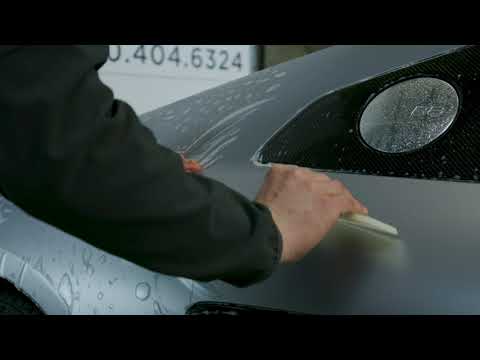
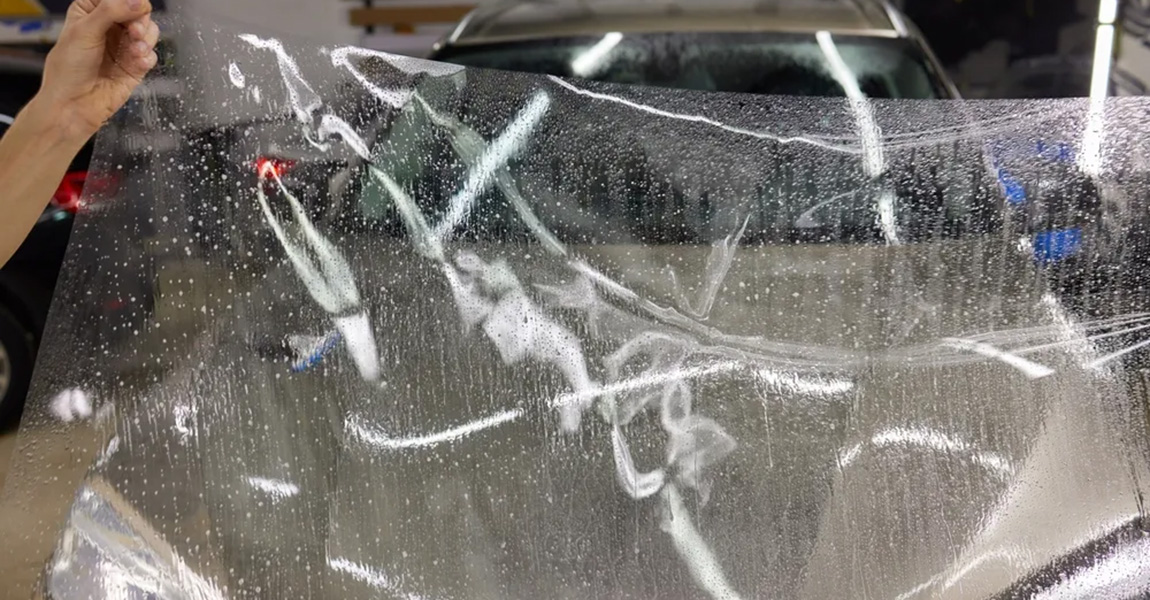
- Application: Wet installation method using a slip solution allows positioning before permanent adhesion
- Heat forming: Heat guns shape film around curves and complex surfaces for a seamless appearance
- Edge sealing: Proper edge tucking and sealing prevent lifting and ensure long-term adhesion
- Quality inspection: Final review eliminates air bubbles and ensures complete coverage
Comparison: Professional vs DIY Installation
Feature | Professional Installation | DIY Kits |
|---|---|---|
Cost | $1,500-$8,000 | $600-$1,000 |
Time Investment | 1-3 days (scheduled) | 5-8 hours (your time) |
Warranty | 5-10 years full coverage | 1-3 years limited |
Quality Outcome | Seamless, invisible finish | Potential bubbles, visible edges |
Coverage Options | Full vehicle available | Limited to basic kits |
Professional installation delivers superior results with comprehensive warranties, while DIY kits offer budget-conscious protection for mechanically inclined owners willing to accept quality compromises for significant cost savings.
Transition: Understanding installation options and costs naturally leads to examining common challenges and their practical solutions.
Common Challenges and Solutions for Transparent Protective Film for Cars
Proper film selection and maintenance practices address typical issues that can compromise paint protection film performance and appearance.
Challenge 1: Film Yellowing and Degradation
Solution: Choose high-quality films with UV stabilizers and 10-year warranties from established manufacturers like XPEL, 3M, or STEK.
Budget films may yellow within 2-3 years due to inferior UV protection, requiring expensive removal and replacement that often costs more than the initial premium film installation.
Challenge 2: Edge Lifting and Peeling
Solution: Ensure proper surface preparation and professional edge sealing during installation, followed by regular inspection and prompt repair of any lifting edges.
Poor adhesion from contaminated surfaces or inadequate edge preparation can cause premature failure, compromising the invisible shield protection.
Challenge 3: Maintenance and Cleaning
Solution: Use pH-neutral soaps and avoid abrasive cleaners, brushes, or automated car washes for the first 30 days after installation.
Wait at least 7 days before the first wash to allow complete adhesive curing, and maintain the film with gentle handwashing to preserve clarity and self-healing properties.
Transition: Addressing these common challenges ensures your paint protection film investment delivers maximum long-term value.
Frequently Asked Questions
How much does paint protection film cost?
Transparent Protective Film for Cars (PPF) cost varies depending on the type of film, the size of your vehicle, and the complexity of the installation. On average, professional installation ranges from $500 for partial coverage to $2,000 or more for full-vehicle protection. Clear bra paint protection kits are available for DIY installation at a lower price point, but may not offer the same seamless finish as professional work. The cost of paint protection film ranges from $600 to $1,000 for a full roll, making it a flexible option for both professional and DIY applications.
What does paint protection film protect against?
Paint protection film is designed to shield your vehicle from road debris, UV rays, scratches, and minor chips. It acts as a durable barrier, preserving your car’s paint and maintaining its appearance even in harsh conditions.
Is professional installation necessary?
While paint protection kits and clear bra kits are available for DIY enthusiasts, professional installation is highly recommended for the highest level of quality and longevity. Expert installers ensure the film is applied without bubbles, wrinkles, or visible edges, maximizing both protection and aesthetics.
Will paint protection film affect my vehicle’s appearance?
High-quality protection films are virtually invisible and maintain the original gloss and color of your paint. They are designed to blend seamlessly with your vehicle’s finish, so your car looks amazing and protected without any noticeable difference.
How long does paint protection film last?
With proper installation and care, paint protection film can last five to ten years or more, providing long-lasting protection against scratches, stains, and environmental damage.
Getting Started
Getting started with paint protection film is straightforward, thanks to the wide selection of products and services available on the market. Begin by researching different paint protection films and comparing features such as self-healing technology, UV-ray resistance, and durability against road debris. Reading customer reviews and consulting with professional installers can help you identify the best solution for your vehicle’s needs.
Consider whether you want a precut paint protection kit for a specific area or a custom installation for full-vehicle coverage. While DIY kits are available, professional installation is the best way to ensure a flawless, long-lasting finish that truly protects your car’s paint and maintains its appearance.
By investing in a high-quality paint protection film, you can enjoy peace of mind knowing your vehicle is protected from scratches, stains, and the elements. Not only will your car look amazing, but you’ll also help preserve its resale value for years to come. With the right protection film and expert installation, your vehicle will stay looking its best, no matter what the road throws your way. A high-quality paint protection film can last 3 to 5 years, depending on maintenance and environmental conditions, ensuring long-term value and protection.
Conclusion: Transparent Protective Film for Cars
Transparent protective film represents a worthwhile investment for preserving your vehicle’s paint against stone chips, scratches, and environmental damage while maintaining resale value through superior protection compared to traditional waxes or sealants.
To get started:
- Research certified installers in your area and request quotes for your specific vehicle
- Compare film brands like XPEL Ultimate Plus, 3M Scotchgard, and STEK for features matching your protection needs
- Schedule consultations to assess your vehicle’s vulnerable areas and determine optimal coverage levels
Related Topics: Ceramic coatings can provide additional hydrophobic protection over paint protection films, while paint correction before film installation ensures optimal adhesion and appearance for vehicles with existing paint imperfections.
Additional Resources
Film Brand Websites: Visit manufacturer websites for warranty details, authorized installer locations, and specific product specifications for your vehicle make and model. Many of these sites also offer a search tool or a distributor locator, allowing you to find authorized installers or distributors based on your location and product category.
Installation Videos: Many manufacturers provide educational content showing proper installation techniques and maintenance procedures for DIY applications.