When you’re shopping for XPEL car window tint, XPEL Window Tint Pros Cons is a smart place to start—XPEL consistently ranks among the most recommended brands by professional installers and car owners alike. But premium products come with premium prices, and not every driver needs the same level of protection.
Before diving in, it’s important to consider key factors such as UV protection, solar heat rejection, and glare reduction—these criteria play a major role in evaluating the quality and performance of XPEL window tint.
This comprehensive guide breaks down the real-world pros and cons of XPEL window tint, helping you decide whether it’s the right investment for your vehicle, climate, and budget.
Table of Contents- XPEL Window Tint Pros Cons
Quick Answer: XPEL Window Tint Pros Cons at a Glance
XPEL is a reputable company known for high-quality tints that use advanced technology to deliver superior performance in heat rejection and UV protection. Before diving into the details, here’s a snapshot of what you’re getting with XPEL films.
Main Pros:
- Industry-leading infrared heat rejection (up to 98% on premium lines)
- Over 99% UV ray blocking for skin and interior protection
- No interference with cell phone reception, GPS, or electronic devices
- Lifetime warranties when installed by authorized dealers
- Excellent optical clarity even at lighter shades
- Strong brand reputation backed by decades in automotive protection
- XPEL films are preferred by installers for their ability to conform to complex, curved glass
- XPEL offers a variety of window tint options to suit different needs and preferences
Main Cons:
- Higher costs compared to standard dyed film options
- Professional installation required (DIY kits not recommended)
- XPEL window tints may not be as readily available as some other brands, making it harder to find a dealer in certain locations
- Cure time of several days to weeks before full clarity
- Potential for bubbling or edge issues if the film is not applied correctly
- XPEL features a strong adhesive that can leave significant residue upon removal
- Some users have reported a slight “orange peel” look or low-angle haze with the XR PLUS line
When XPEL Makes Sense: A 2024 Tesla Model 3 owner in Arizona who drives daily through intense desert sun will benefit enormously from XPEL PRIME XR PLUS. The superior heat rejection keeps the car cooler, reduces AC load on the battery, protects the leather interior from harmful UV rays, and the non-metallic ceramic won’t interfere with Tesla’s extensive electronics. The higher upfront cost pays off quickly in comfort and long-term protection.
When Cheaper Film Works: If you’re driving a 2010 Honda Accord in Seattle primarily for local errands, a mid-range carbon or even quality dyed film may serve you perfectly well. The Pacific Northwest’s milder sun exposure means you won’t extract the same value from premium ceramic tint, and the cost savings could be significant. For more information on different types of car window tinting and how they adapt to various climates, consider looking at this comprehensive guide.
What Is XPEL Window Tint?
XPEL is a U.S.-based automotive protection company founded in 1997, originally making its name with paint protection film before expanding into window films. Today, the company is headquartered in San Antonio, Texas, and has built a global network of certified installers.
When people refer to XPEL window tint, they’re typically talking about the PRIME automotive series, which XPEL developed and refined throughout the 2010s and into the 2020s. XPEL offers a wide variety of window tints to suit different vehicle needs, preferences, and requirements, ensuring there is an option for nearly every type of vehicle and driver. This includes several distinct product lines designed for different needs and budgets.
The technology behind XPEL tint centers on a few key innovations. Premium lines use nano-ceramic particles embedded in the film to reject infrared heat without relying on metals that can block signals. XPEL uses nano-ceramic technology to block up to 98% of infrared heat and up to 80% of total solar heat, providing significant comfort and protection.
All lines feature color-stable dyes that resist the purple fading common in cheap tint, scratch-resistant hard coats for durability, and UV-blocking layers that stop over 99% of harmful radiation. For comparison, 3M window tint blocks 99% of UV radiation, rejects 64% of solar energy, and reduces sun glare by 77%. 3M’s Crystalline IR film blocks up to 99.9% of infrared heat and is ideal for maximum heat protection without darkening windows.
This article focuses specifically on XPEL automotive window tint for cars, SUVs, and trucks. XPEL window tints are designed for vehicles’ windows, enhancing both protection and aesthetics. XPEL also offers architectural films for buildings and its well-known paint protection products, but these are separate categories with different considerations.
Main XPEL Window Tint Lines:
- PRIME XR PLUS – Top-tier nano-ceramic, maximum heat rejection, premium price
- PRIME XR – High-performance ceramic, strong heat rejection, mid-premium price
- PRIME CS – Color-stable dyed film, good UV protection, budget-friendly
- PRIME HP – Hybrid dyed/metal film, strong heat rejection, slight reflectivity
Both XPEL and 3M offer a range of customization options for color, shade, and reflectivity.
Pros of XPEL Window Tint
XPEL is generally considered a “premium” option in the window film market, and this section outlines the advantages that support its reputation.
Effective Heat Reduction
The standout feature of XPEL films is their ability to reduce heat inside the vehicle by blocking solar heat transfer. The PRIME XR PLUS line rejects up to 98% of infrared heat, while the standard PRIME XR achieves around 88-95% depending on the shade. In practice, many vehicle owners in hot climates such as Texas, Nevada, and Florida report their cabins staying 20-30°F cooler than with untinted glass. For a 2024 Chevrolet Tahoe sitting in a Phoenix parking lot, that difference transforms a brutal 140°F interior into something far more tolerable.
Detailed UV Protection
All XPEL window films block over 99% of UVA and UVB radiation, which is important for two key reasons. First, UV exposure through car windows is a real skin cancer risk—enough that lines like PRIME XP have earned Skin Cancer Foundation recommendations. Second, UV rays degrade your car’s interior over time, causing leather dashboards to crack, fabric seats to fade, and plastics to become brittle. If your vehicle sits outside all day, this protection preserves both your health and your investment.
Glare Reduction
Driving into low sun angles during morning and evening commutes can be genuinely dangerous. XPEL’s premium ceramics achieve up to 95% glare reduction in darker shades, making highway driving more comfortable and safer. Even lighter, 50-70% visible-light-transmission films provide meaningful glare reduction without compromising nighttime visibility.
Optical Clarity
One advantage of nanoceramic technology over older metallic or low-quality dyed films is its exceptional clarity. XPEL films minimize the hazy or distorted appearance that lower-quality tints can cause. This matters especially for lighter shades used on front side windows and windshields, where legal limits are stricter—you can get meaningful heat rejection at 70% VLT without the window looking obviously tinted.
No Signal Interference
Older metallic finishes were notorious for blocking GPS, Bluetooth, and cellular reception. XPEL’s ceramic construction uses non-metallic nano-particles that don’t interfere with electronic devices. For modern vehicles packed with ADAS sensors, keyless entry systems, and connectivity features, this is a significant advantage. Tesla owners, in particular, have embraced XPEL for this reason.
Durability and Color Stability
Quality ceramic tint lasts. In real-world use across sun-intensive states, XPEL films resist the purple fading, bubbling, and peeling that plague cheap dyed films within 2-3 years. The films undergo extensive testing—over 30,000 hours of abrasion testing—and use acrylic pressure-sensitive adhesive layers designed for decades of performance when properly cared for.
Lifetime Warranties
When installed by an authorized XPEL dealer, ceramic lines such as PRIME XR PLUS include lifetime warranties covering peeling, cracking, delamination, and major color change for as long as the original owner owns the vehicle. This warranty is transferable in some cases and offers greater value than budget films with 1-3-year coverage.
Aesthetic Appeal
XPEL films offer consistent charcoal tones without the mirror-like appearance of some metallic options. When combined with computer-cut patterns matched to specific vehicle models, the result is clean edge work and a factory-quality appearance. Even older vehicles like a 2015 Camry or 2012 F-150 gain a modernized vehicle’s appearance with properly installed XPEL tint.
Resale Value
High-quality tint from a recognized brand can be a genuine selling point when it’s time to move on from your vehicle. Buyers in sunny states actively look for tinted windows, and being able to point to an XPEL installation with warranty documentation adds credibility.
Cons of XPEL Window Tint
Even premium films have trade-offs, and understanding the downsides helps you make an informed decision about whether XPEL is right for your situation.
Higher Costs
The primary drawback of XPEL is price. A full installation on a compact sedan or midsize SUV typically runs $450-$800 in most U.S. cities for PRIME XR, with PRIME XR PLUS pushing toward $600-$1,200 or more depending on vehicle size and local labor rates. Larger vehicles, such as full-size trucks or SUVs with extensive glass, can cost $1,500-$2,000. Compare this to budget dyed films priced at $150-$300 for a similar vehicle, and the gap is substantial.
Professional Installation Requirements
XPEL films are not designed for DIY kits. The film’s precision construction and the technique required for bubble-free, edge-perfect application mean professional installation is essentially mandatory. Attempting to save money with self-installation typically results in creases, contamination, and lifting that void your warranty anyway. This increases the final price because you’re paying for skilled labor, and quality significantly influences the outcome.
Limited Availability
Not every town has an XPEL-certified installer. While major metro areas typically have multiple options, drivers in smaller cities or rural areas may need to drive an hour or more to reach an authorized shop. This adds inconvenience and potentially increases travel costs.
Cure Time and Temporary Appearance
Immediately after installation, you’ll notice small moisture pockets, slight haziness, and an imperfect appearance. This is normal—the film needs time to cure and fully adhere. In warm weather, expect 3-7 days. In cold weather, the process can take 2-3 weeks or longer. During this time, you’ll be instructed not to roll down windows or clean the glass, which can be frustrating.
Expectation Management for Lighter Shades
If you’re expecting a dramatic blackout look for privacy, lighter shades like 70% or 50% VLT won’t deliver that aesthetic even while providing excellent heat and UV protection. Many car owners don’t realize that legal limits for front windows and windshields in most states require relatively light films. You may have very different tint percentages on front versus rear glass to comply with regulations while maximizing protection.
Installation Quality Varies
When done by experienced, certified technicians, XPEL installations look flawless. When handled by inexperienced or non-certified shops, you may encounter bubbling, edge lifting, contamination beneath the film, or poor cutting around dot-matrix areas near the rear glass. These issues are installation-related rather than film defects, but they still affect your experience. Always verify your installer’s certification.
These cons primarily affect budget-conscious drivers and those in remote locations without convenient access to qualified installers.
Types of XPEL Window Tint and How Their Pros/Cons Differ
When choosing among XPEL window tint lines, consider key factors such as UV protection, solar heat rejection, and glare reduction, as these elements significantly affect the tint’s quality and performance.
XPEL tint is not a single product but a family of window films, each with its own strengths and trade-offs. Understanding the differences helps you choose the right film type for your needs. Both XPEL and 3M offer a range of customization options for colors, shades, and reflectivity levels, allowing you to tailor the appearance and performance to your preferences.
PRIME XR PLUS is XPEL’s flagship nano-ceramic film, positioned as the ultimate in heat rejection and optical performance. It achieves up to 98% infrared rejection and 99% UV blocking while maintaining exceptional clarity. The total solar energy rejected (TSER) reaches 71% at the darkest 5% VLT shade. This is the premium choice for very hot climates and for luxury or EV owners who want maximum comfort. The trade-off is price—expect to pay 20-40% more than standard PRIME XR.
PRIME XR is the high-performance ceramic that represents the sweet spot for many automobile owners. It delivers 88-95% infrared rejection depending on shade, still blocks 99% UV, and costs less than XR PLUS. For a daily driver in Texas or Southern California, PRIME XR often provides the same level of practical comfort at a more accessible price point. It’s the most commonly installed XPEL film for good reason.
PRIME CS is a color-stable dyed film that is not ceramic. It offers excellent UV protection (99%) and good aesthetics with fade-resistant dyes, but its heat rejection is significantly lower than that of ceramic options. PRIME CS makes sense for drivers in cooler regions such as the Pacific Northwest or northern states, where extreme heat isn’t a primary concern, or for those on tighter budgets who still want a quality brand with good glare control.
PRIME HP (and similar metallic hybrids like PRIME XM) uses a combination of dye and metal layers to achieve strong heat rejection—around 50-80% infrared blocking. These films have a slightly reflective appearance and deliver solid performance at a moderate price. However, the metallic content may cause minor signal interference in some installations, and warranties are typically 5-7 years rather than lifetime. If you prioritize heat rejection over signal transparency and are comfortable with some reflectivity, HP variants offer value.
Across the entire XPEL range, UV protection and basic warranty coverage remain strong. The key differences lie in heat-rejection capability, signal compatibility, and cost.
Real-World Comparison: Consider a 2023 Ram 1500 driven daily in Florida. With PRIME CS, the owner gets a good-looking tint and UV protection, but may still find the cabin uncomfortably hot during the summer months due to limited infrared rejection. Upgrading to PRIME XR on the same truck noticeably reduces heat buildup, keeps the leather cooler, and provides a more comfortable driving experience during the humid Florida summer—at roughly 30-50% higher cost.
Heat Rejection and Energy Efficiency with XPEL Window Tint
One of the standout features of XPEL window tint is its superior heat rejection, making it a top choice for car owners in hot climates. Thanks to advanced technology and nanoceramic construction, XPEL films such as PRIME XR and PRIME XR PLUS are engineered to block up to 80% of solar heat from entering your vehicle. This means your car stays noticeably cooler, even after hours parked under the sun, and your driving experience is far more comfortable from the moment you step inside.
By significantly reducing the amount of heat that penetrates your vehicle’s windows, XPEL window tint lessens the workload on your air conditioning system. This not only helps keep your car cooler but also improves overall energy efficiency—whether you’re driving a traditional gas-powered car or an electric vehicle. Lower reliance on AC results in lower fuel consumption or longer battery range, which is especially valuable during long summer drives or daily commutes in hot climates.
XPEL’s commitment to innovation ensures its tint films deliver effective heat rejection and robust UV protection, safeguarding your car’s interior from sun damage while enhancing comfort. With options like XPEL Prime XR, you can choose the right level of heat rejection for your needs, all while enjoying the sleek look and long-lasting performance that XPEL films are known for. For many car owners, this combination of comfort, protection, and energy savings makes XPEL window tint a smart investment in both the short and long term.
Glare Reduction and Visibility: What to Expect from XPEL
Driving with the sun in your eyes or facing harsh reflections from wet roads can be both uncomfortable and dangerous. XPEL window tint is designed to tackle these challenges head-on by providing exceptional glare reduction, making every drive safer and more enjoyable. By carefully controlling visible-light transmission, XPEL films minimize harsh sunlight and headlight glare entering your vehicle, reducing eye strain and fatigue on long journeys.
The ceramic tint technology in XPEL window films delivers reduced glare without sacrificing clarity or visibility. Whether you’re behind the wheel of a compact sedan or a larger vehicle, you’ll notice a clearer, more comfortable view of the road—day or night. This is especially important for drivers who frequently commute at sunrise or sunset, when glare is at its worst.
Another advantage of XPEL window tint is its compatibility with modern technology. Unlike some older metallic tints, XPEL’s ceramic films do not interfere with cell phone reception, GPS, or other electronic devices, so you can stay connected and navigate with confidence. No matter your vehicle type, XPEL films offer a balanced solution for glare reduction, improved visibility, and a safer, more comfortable driving experience—all while maintaining the stylish look of tinted windows.
Cost, Value, and How XPEL Compares to Other Tint Options
In 2026, shoppers typically compare XPEL to other premium ceramics and budget films, focusing on total value rather than initial price. Understanding the cost of professionally tinting car windows requires considering both the upfront investment and the long-term benefits.
Typical Installed Price Ranges (2024-2025 U.S. Averages):
Film Category | Compact Sedan | Midsize SUV | Full-Size Truck/SUV |
|---|---|---|---|
Entry Dyed | $150-$250 | $200-$350 | $250-$400 |
Mid-Range Carbon/Hybrid | $250-$400 | $350-$500 | $400-$600 |
Premium Ceramic (XPEL XR) | $400-$650 | $500-$800 | $650-$1,000 |
Top-Tier Ceramic (XPEL XR PLUS) | $500-$850 | $650-$1,000 | $800-$1,500+ |
These figures represent the average cost tint 4 door car and vary based on your city, specific installer, and any additional services. The cost for tinting front windows alone typically runs $100-$200 for premium ceramic when done separately.
Value Over Time
The higher upfront cost of XPEL films delivers compounding value over the ownership period. Superior heat rejection means your AC system works less hard, which can noticeably reduce fuel consumption or battery drain in EVs during hot months. Skin and interior protection prevent cumulative UV damage, which can lead to costly repairs or reduce resale value. And the film itself, properly cared for, maintains performance and appearance for a decade or more.
Warranty Value
A true lifetime warranty from a recognized brand like XPEL usually saves money compared with replacing a failing, low-quality tint every 3-5 years. Budget-dyed films commonly exhibit purple fading, bubbling, or peeling within this timeframe, requiring costly tint removal and replacement. When you factor in the labor for removal and reinstallation, the “cheap” option often costs more over a 10-year ownership period.
XPEL vs. Generic Dyed Films
The performance gap is substantial. Under extreme sun conditions in Phoenix, Las Vegas, or Miami, generic dyed films typically reflect 40-60% of infrared heat, while XPEL ceramics reflect 95-98%. The difference in cabin temperature is immediately noticeable. Fade resistance and clarity are also far superior in XPEL films, keeping a car with black windows looking consistent year after year.
XPEL vs. Other Premium Ceramics
Compared to competitors like 3M Crystalline, XPEL XR PLUS matches or exceeds performance specifications (99% UV, 97%+ IR rejection) while offering thinner 1.5-2 mil profiles for easier application. XPEL’s strong installer network and Tesla-specific pattern optimizations give it advantages for certain vehicle types.
Resale Considerations
For late-model vehicles sold within 3-7 years, high-quality ceramic tint from a known brand is a legitimate selling point, especially in sunny states. Buyers recognize the value and may pay a premium for a well-maintained vehicle with documented XPEL installation.
XPEL films are generally a high-value choice for car owners planning to keep their vehicle for several years, those who drive in strong sun regularly, or anyone who cares about long-term aesthetics and protection.
Choosing the Right XPEL Tint for Your Car and Driving Conditions
When choosing the right XPEL tint for your car and driving conditions, remember to consider key factors such as UV protection, solar heat rejection, and glare reduction. These elements are crucial in evaluating the quality and performance of each film.
The “best” XPEL film depends on where you live, how you use your car, and your budget and style preferences. Here’s how to narrow down your options.
By Climate
Hotter, high-sun states demand higher performance. If you’re in Arizona, Florida, Texas, Southern California, or similar environments, strongly consider PRIME XR or XR PLUS. The effective heat reduction in these conditions makes a tangible difference in daily comfort. For milder climates such as the Pacific Northwest, New England, or Northern Europe, PRIME CS or standard PRIME XR provides excellent value without overpaying for heat rejection you may not fully use.
By Driving Patterns
How much time do you spend in your vehicle? Daily highway commuters, rideshare drivers, and parents shuttling kids to activities benefit most from premium ceramic films. The hours of UV exposure and solar heat accumulate quickly. Weekend-only drivers or those with garage-parked vehicles may extract less value from top-tier options.
By Legal Limits
Each U.S. state (and many countries) has specific visible light transmission regulations for front and rear windows. Many states require front side windows to allow 35-70% VLT, while rear glass and side windows can often be darker. Before selecting a very dark tint percentage, check your state’s 2026 regulations to avoid tickets or failed inspections. Your professional installer should be familiar with local legal limits.
By Vehicle Type
Modern EVs and luxury vehicles with large panoramic glass roofs and extensive window areas benefit significantly from premium ceramic films. A Tesla Model Y, BMW i4, or Mercedes GLE with maximum glass exposure will gain more comfort from PRIME XR PLUS than a vehicle with smaller windows. For older work trucks used primarily for utility, more economical PRIME CS or even quality competitor films may be perfectly adequate.
Prioritize Performance Over Appearance
Many car owners focus on how dark they want their tint without considering the actual protection it provides. A 70% VLT PRIME XR PLUS film provides better heat rejection than a 20% VLT generic dyed film. Ask your installer for heat lamp demonstrations or spec sheets comparing TSER and infrared rejection across different films and shades.
Practical Recommendation Structure:
- Hot climate + daily driver + EV or luxury vehicle: PRIME XR PLUS in the darkest legal VLT for side windows, 70% for windshield
- Hot climate + daily driver + standard vehicle: PRIME XR at legal limits
- Moderate climate + occasional driver: PRIME CS or PRIME XR, depending on budget
- Cold climate + basic needs: PRIME CS for UV protection and aesthetics atthe lowest cost
Installation, Warranty, and Long-Term Care
Even the best film will underperform if installed or maintained poorly. This section focuses on maximizing the pros and minimizing the cons over time.
The Professional Installation Process
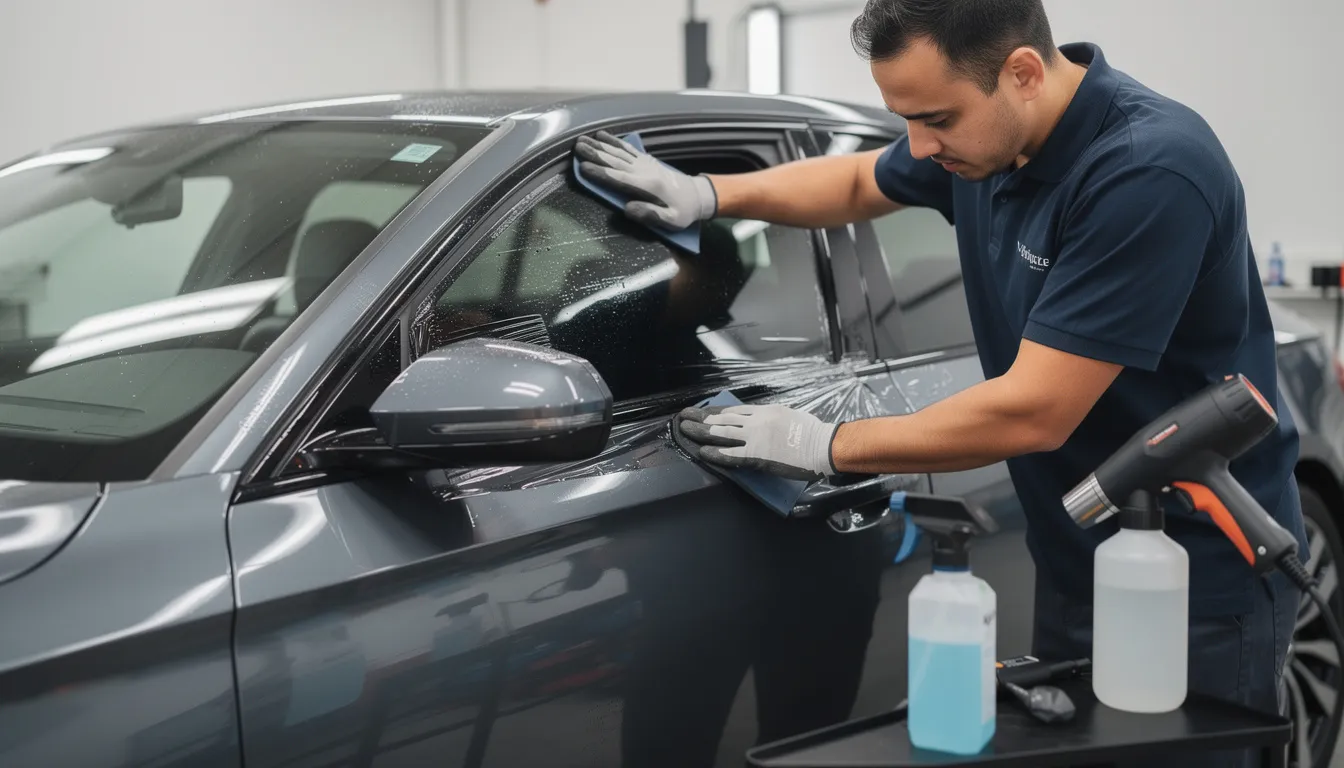
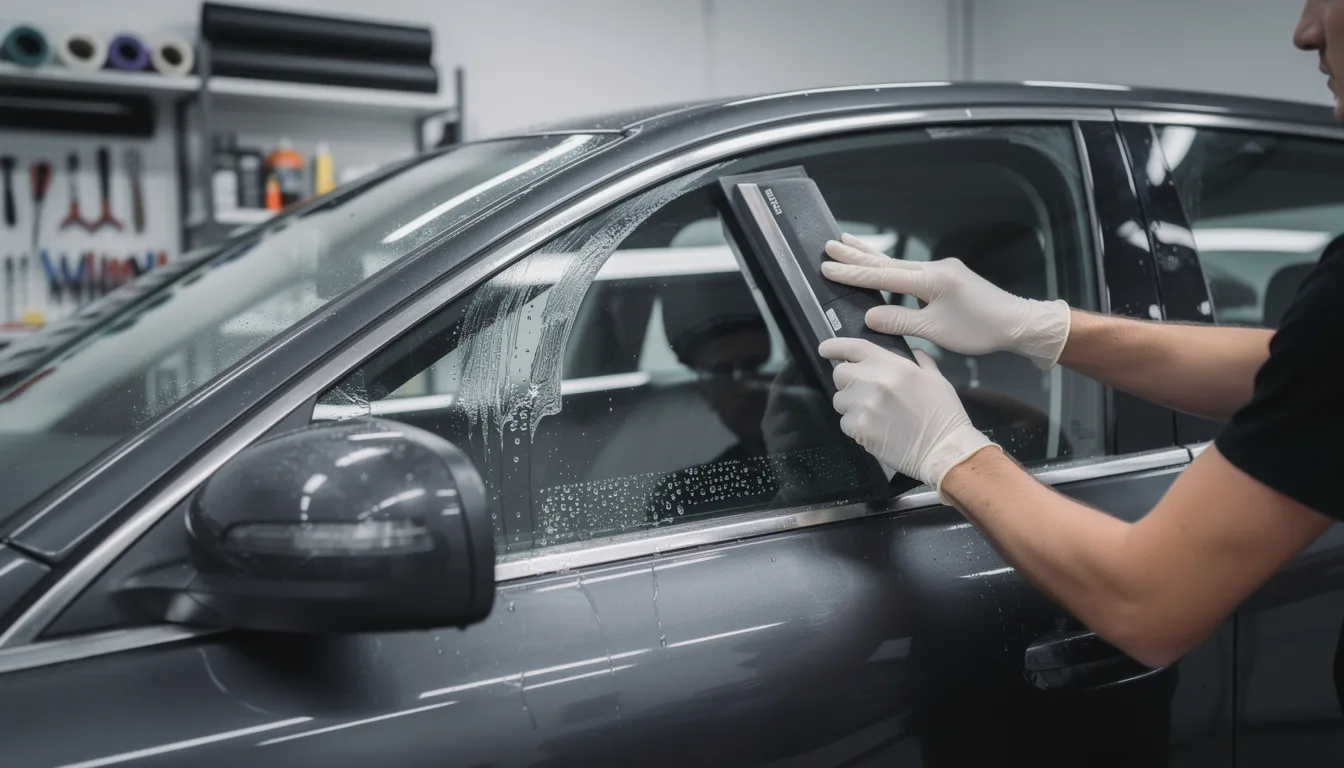
A quality installation follows specific steps. First, the technician thoroughly cleans all vehicle windows inside and out, removing any contaminants that could cause bubbles or adhesion issues. Next, a special solution is applied to the glass to ensure the tint film is positioned accurately. Computer-cut patterns matched to your specific vehicle model (like 2020-2026 Hondas, Toyotas, or Teslas) are then applied. The installer uses a squeegee to smooth out any air bubbles and moisture, working from the center to the edges. Finally, edges are finished and sealed, and the vehicle is left to cure.
Most vehicles take 1.5 to 3 hours to tint, depending on coverage and film type. Larger vehicles with more labor requirements and curved glass may take longer.
What to Expect After the Installation Process
Your tinted windows won’t look perfect immediately. Slight haziness, tiny water pockets, and an imperfect appearance are normal during the curing period. In warm weather, expect full clarity within 3-7 days. In cold or humid conditions, allow 2-4 weeks. During this time:
- Don’t roll down windows for at least 3-5 days (your installer will specify)
- Avoid washing the interior glass for at least a week
- Don’t use harsh cleaning products near the film
Basic Care Tips
Once cured, XPEL films require minimal maintenance:
- Clean with mild soap and water or ammonia-free glass cleaner
- Use soft microfiber towels—never abrasive pads or paper towels
- Wipe gently, especially near edges and dot matrix areas on the rear glass
- Avoid pressing harshly on the film surface
- Keep sharp objects away from window surfaces
Removal Considerations
If you ever need to remove the tint, be aware that XPEL uses a strong adhesive that can leave significant residue. Professional removal is recommended to prevent damage to your vehicle’s windows.
Understanding Your Warranty
XPEL’s typical automotive tint warranty for ceramic lines provides lifetime coverage for the original vehicle owner when installed by an authorized dealer. This covers:
- Peeling or bubbling
- Cracking or delamination
- Major discoloration or fading
The warranty applies under normal use and excludes damage caused by accidents, improper cleaning, or unauthorized modification. Metallic hybrid lines, such as PRIME HP, typically carry 5-7-year warranties rather than lifetime warranties.
Processing Warranty Claims
If issues arise, warranty claims must go through the original installer or an authorized XPEL dealer. Keep your warranty card or digital proof of installation date and installer information. Taking your vehicle to a non-authorized repair shop may void any remaining coverage.
Following these practices helps drivers enjoy the full benefits of XPEL—heat rejection, UV protection, and glare reduction—with minimal risk of common drawbacks such as bubbling or premature failure.
Final Thoughts: XPEL Window Tint Pros Cons
XPEL window tint delivers on its premium reputation when matched to the right driver, vehicle, and climate. The combination of superior heat rejection, comprehensive UV protection, signal-friendly ceramic technology, and longer warranties makes it a smart investment for many car owners—particularly those in hot climates or driving modern vehicles with extensive glass areas.
The trade-offs are real: higher upfront costs, the need for professional installation, and potentially limited availability in some areas. For drivers on tight budgets or in mild climates, more economical options may suffice.
If you’re ready to move forward, locate an authorized XPEL dealer in your area and ask for a heat lamp demonstration comparing different film lines. Check your state’s VLT regulations before your appointment, and don’t hesitate to ask questions about warranty coverage and care instructions. The right XPEL film, properly installed and maintained, will enhance your driving experience for years to come. Call us at Colorado Clear Bra 720-404-6324 to learn more about XPEL Window Tint Pros Cons.