
If you drive in Denver or Boulder, your paint is under attack more often than you’d think. We put together this list of the Top 20 Colorado Highways Most Likely to Damage Your Car’s Paint because between chip-seal resurfacing, mountain rockfall, intense UV rays, and the road salt CDOT sprays every winter, Front Range highways and local roads are some of the toughest on a factory finish anywhere in the country. We see it every week at our Arvada shop — customers who’ve owned their car less than a year and already have a constellation of chips across the hood and front bumper, with no idea it happened until they walked out to the driveway one morning and noticed.
Kirby Thompson has installed paint protection film on more than 15,000 vehicles over 25 years in business, and the pattern is always the same: the damage tracks directly to which roads a customer drives regularly. Below is the list we actually use in conversations with customers — the specific Denver and Boulder metro routes we hear about most often when someone comes in for an estimate, plus what our own shop data tells us about when and where the damage happens fastest.
Table of Contents
Why Colorado Roads Are So Hard on Paint
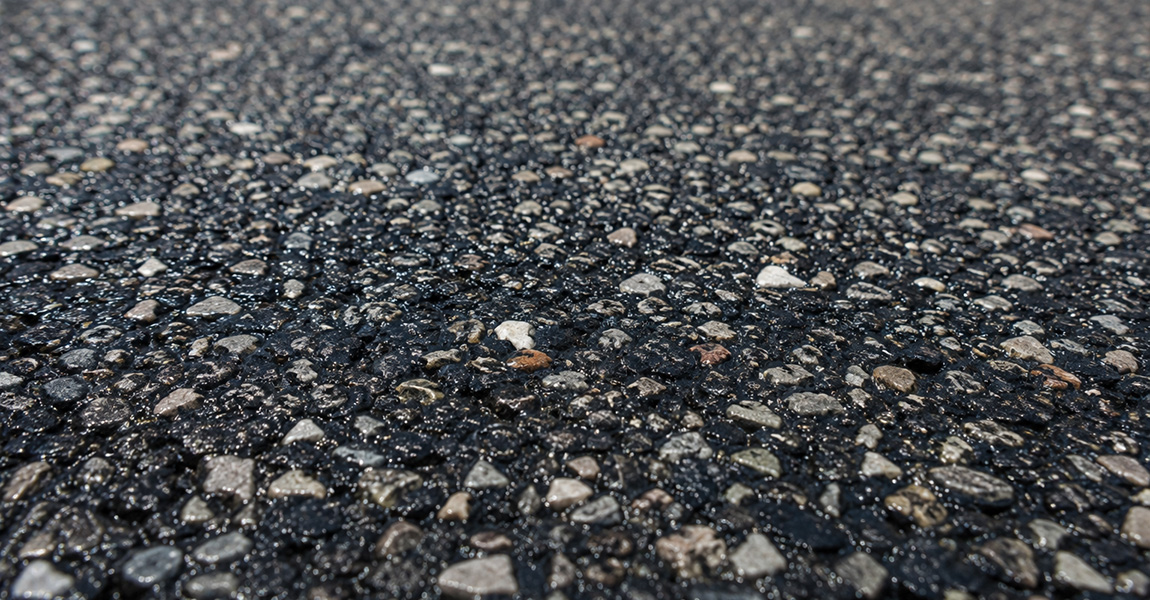
Colorado’s road-damage problem isn’t one thing — it’s several factors stacked on top of each other. First, CDOT relies heavily on chip seal as a low-cost way to extend pavement life on mountain corridors and high-traffic routes. Chip seal spreads a layer of hot asphalt emulsion topped with loose aggregate, and that aggregate doesn’t fully bond to the road surface for days or sometimes weeks. Every vehicle that drives over a freshly chip-sealed stretch kicks loose stone into the air behind it, and on a highway doing 65 mph, that stone hits your paint with real force.
Second, Denver’s elevation means a thinner atmosphere and significantly more intense UV rays than drivers at sea level experience. That sun exposure accelerates oxidation and clear-coat breakdown, especially on darker vehicles that already absorb more heat, and it doesn’t let up just because a car spends most of its time on local roads rather than highways.
Third, winter brings road salt. CDOT applies liquid and solid de-icers containing magnesium chloride across the highway system before and during storms. While it’s effective for driver safety on icy roads, it’s corrosive to exposed metal and can dull the unprotected clear coat over time if it isn’t washed off regularly.
Fourth, freeze-thaw cycles chew up pavement and create potholes throughout the winter months, and potholes don’t just risk your alignment — the cracked, crumbling asphalt around them kicks up loose debris the same way a construction zone does. Add in narrow canyon roads, loose shoulders, and unpaved stretches, and you get a state where paint damage isn’t a matter of if, it’s a matter of which roads and how fast. Check out our Guide: Is Full Vehicle PPF Worth It.
The Worst Roads for Paint Damage: Denver, Boulder, and Front Range Highways
These are the routes our customers mention most often, grouped by the actual cause of the damage.
I-70 Mountain Corridor (Golden to Vail/Eagle)
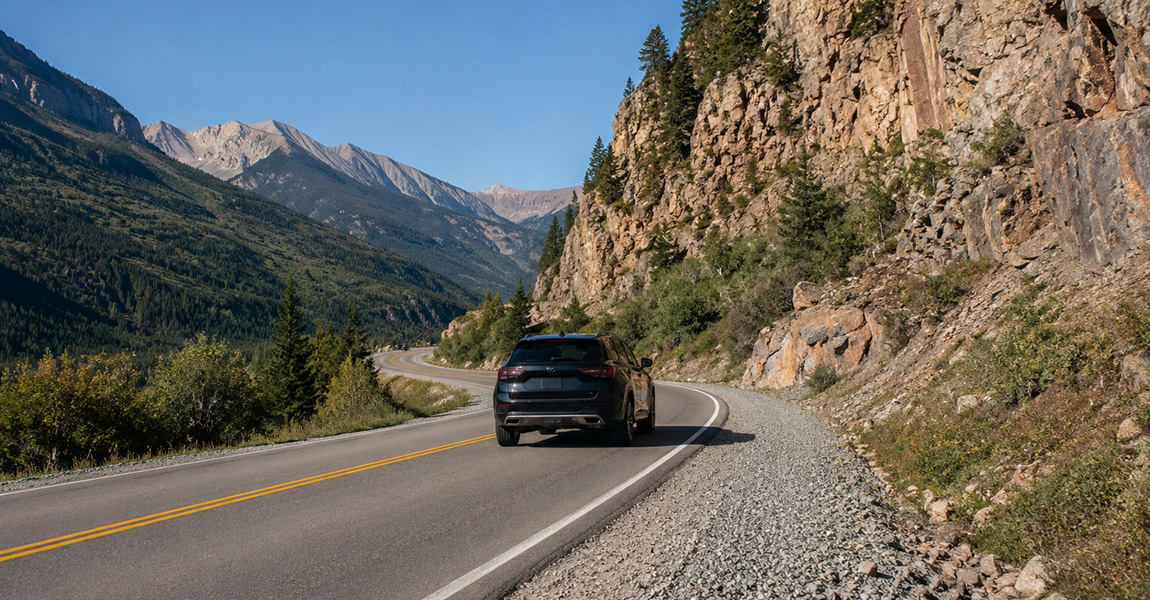
The single most common answer we hear when we ask “where do you drive most?” I-70 west of Golden combines chip seal maintenance, rockfall zones through the canyons, and tunnel grit through the Eisenhower Tunnel. If you make regular mountain trips, this corridor alone can justify full-front PPF.
US-285 (Denver to Conifer, Fairplay, and South Park)
A daily commuter route for a lot of foothills residents, and one of the worst roads for loose gravel shoulders, wildlife-related debris, and heavy winter sanding through the canyon sections.
US-40 and Berthoud Pass
Chip seal and alpine debris combine here, especially in the stretch approaching the pass summit where loose aggregate collects on the shoulders after maintenance work.
CO-119 (Boulder Canyon) and the Peak to Peak Highway
Boulder Canyon’s tight curves sit right against rock walls prone to shedding debris, and the Peak to Peak Highway (CO-72/CO-119) sees frequent gravel buildup from unpaved pullouts and forest service intersections.
US-36 (Boulder Turnpike) and the Foothills Corridors
High-speed commuter traffic between Denver and Boulder means constant debris kickup from trucks and construction vehicles, particularly near the ongoing widening and interchange work.
C-470 and E-470
Both routes have seen extended construction over the past several years, and active construction zones mean loose aggregate, gravel trucks, freshly laid surfaces, and more frequent potholes at the seams — the exact conditions that cause the worst chip damage.
I-25 Through Metro Denver (and South Toward Colorado Springs)
Heavy commercial truck traffic and road salt buildup during winter storms make this corridor a steady source of both physical chips and corrosive residue, especially through the downtown and Tech Center stretches. Drivers who commute further south toward Colorado Springs on I-25 deal with the same chip seal and salt exposure, just stretched over a longer daily run.
Golden Gate Canyon Road and Lookout Mountain Road
Both have unpaved or lightly maintained sections with washboard gravel — a favorite route for Denver drivers heading into the foothills, and a consistent source of rocker panel and lower door chips.
CO-93 (Golden to Boulder)
A high-speed two-lane road with loose shoulders and minimal buffer between traffic and gravel edges. Passing trucks here throw debris directly into the oncoming lane.
Clear Creek Canyon (US-6)
A narrow canyon road with an active rockfall history — CDOT posts regular safety advisories for loose rock in this corridor, and it’s a common route for anyone heading toward Idaho Springs or Central City.
Beyond this core group, we regularly hear about damage from Deer Creek Canyon Road, Guanella Pass, CO-9 near Breckenridge, CO-14 through northern Colorado, I-76 heading toward the plains, CO-82 over Independence Pass, Trail Ridge Road in Rocky Mountain National Park, and CO-72 through the foothills. Different mechanisms, same result — chips, pitting, and clear coat wear that shows up faster than most owners expect.
Winter Months Bring Extra Risk: Road Salt, Potholes, and Hail Season
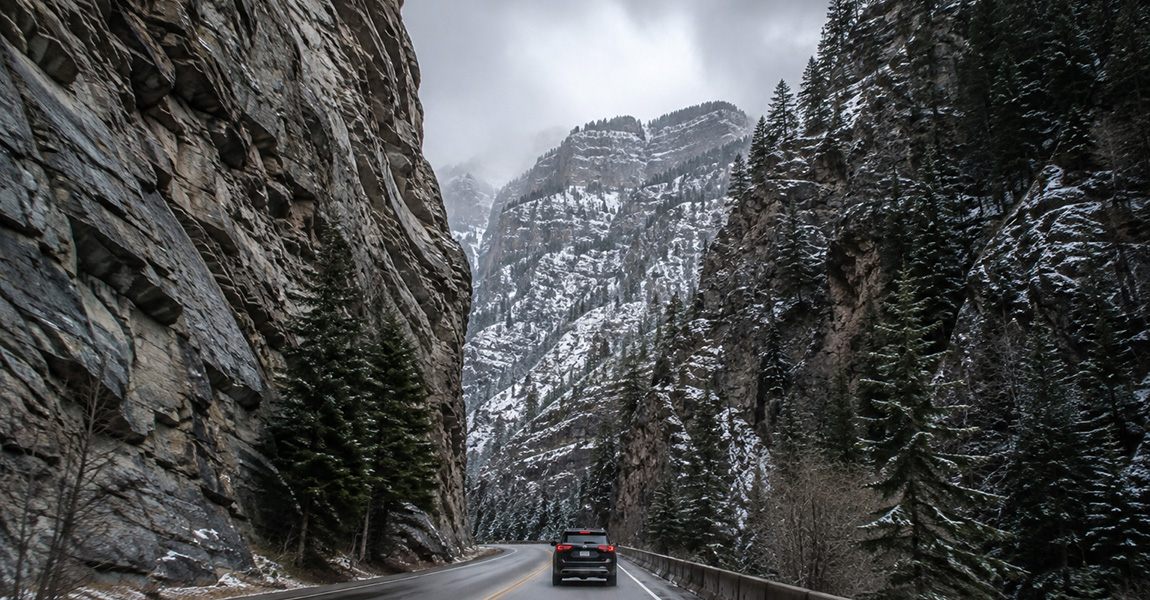
The worst roads for paint damage don’t stay the same all year. Summer construction season brings chip seal and fresh gravel, but the winter months shift the risk toward road salt corrosion and pothole-related debris. Once temperatures start swinging above and below freezing, pavement cracks and expands, and potholes open up fast — especially on routes CDOT hasn’t yet reached with patching crews. Combine that with regular road salt applications, and it’s a rough few months for any exposed clear coat.
Colorado’s spring and early summer hailstorms add another layer of risk on top of all this — a different damage mechanism from chips or salt, but the same underlying problem: unprotected paint and body panels take the hit. If hail is more of a concern for your situation than road debris, we cover that in detail in our post on windshield PPF protects against hail damage.
The Real Cost of Skipping Protection on These Roads
Rock chip damage doesn’t stay small. Once a chip breaks through the clear coat, moisture gets underneath the paint and starts corroding the metal below — what looks like a cosmetic ding today can turn into a rust spot in a year or two, especially with road salt in the mix. Across more than 48,000 vehicles protected, our data consistently show the same pattern: cars with unprotected front ends exhibit measurably more chip damage and clear-coat fading within the first year than cars with PPF installed at delivery.
The damage concentrates in predictable places: the front bumper, hood, side mirrors, leading edges of the fenders, and rocker panels. These are the exact zones that take the direct hit from anything kicked up off the road ahead of you. If you’re planning to sell or trade in a vehicle down the line, visible chip damage and clear coat fading on these panels are among the first things a buyer or dealer notices, and they directly affect resale value.

How to Protect Your Paint If You Drive These Roads Regularly
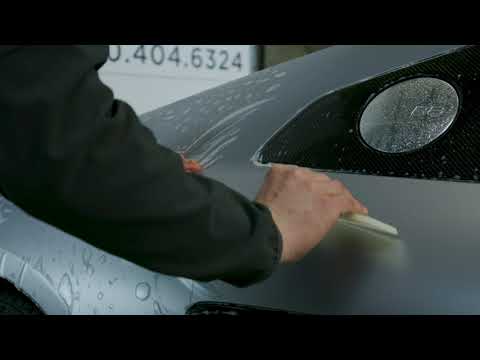
If your daily commute or weekend routine touches any of the roads above — or even just your local roads around town — the fix isn’t waxing more often; it’s a physical barrier between the road and your paint. Paint protection film is the only thing that actually stops a rock chip before it happens. We install SunTek Reaction PPF because it combines standard film protection with a ceramic-infused top layer, providing impact resistance and the hydrophobic, easy-clean surface that makes road salt and winter grime far easier to rinse off.
SunTek’s own testing on rock chip resistance confirms what we see in the shop daily — film thickness and self-healing top coats make a measurable difference on high-impact zones like hoods and bumpers.
For mountain regulars — anyone making frequent I-70, US-285, or Peak to Peak runs — we typically recommend full-front coverage at minimum: hood, fenders, bumper, mirrors, and headlights. Daily commuters sticking mostly to I-25, C-470, or US-36 can often get solid protection from a partial front kit, though full coverage is always the safer long-term bet if the vehicle is a keeper.
Ceramic coating is worth adding on top of PPF, not instead of it. Ceramic Pro’s own guidance on rock chip protection is direct about this — a ceramic coating protects against UV rays and chemical etching, and makes washing easier, but it doesn’t stop a rock chip or a pothole-kicked stone. PPF handles that job. Combined, our Opti-Coat Pro and Ceramic Pro coatings give you the gloss, sun protection, and easy maintenance that pair well with PPF’s physical impact protection.
If you’re not sure which coverage level makes sense for your driving habits, get a free estimate, and we’ll walk you through your regular routes. Give us a call at 720-404-6324 — Kirby’s been doing this for 25 years and can usually tell you exactly which panels need protection based on what you drive and where you drive it.

FAQ: Colorado Highways Most Likely to Damage Your Car’s Paint
Does ceramic coating protect against rock chips?
No. Ceramic coating protects against UV rays, chemical staining, and makes cleaning easier, but it’s a thin, hard layer that doesn’t absorb impact. Paint protection film is the only product designed to physically stop a rock chip.
What’s the difference between chip seal and regular pavement, and why does it matter for my paint?
Chip seal is a maintenance treatment in which loose aggregate is spread over hot asphalt emulsion, rather than over a fully bonded asphalt mix. Until that aggregate settles and bonds, passing vehicles kick it into the air, making freshly chip-sealed roads far more likely to chip your paint than standard pavement.
Which Denver-area roads cause the most paint damage?
I-70 through the mountain corridor, US-285, and any stretch under active construction (C-470, E-470) tend to cause the most damage we see in the shop, largely due to chip-seal maintenance and loose-gravel shoulders.
Do potholes damage paint the same way rock chips do?
Not directly, but the cracked pavement and loose debris around potholes act the same way a gravel shoulder does — a source of flying stone and grit, especially as roads deteriorate through the winter months before repair crews get to them.
Is PPF worth it if I only drive to the mountains occasionally?
If those trips happen more than a few times a year, yes — even occasional mountain driving on I-70 or US-285 exposes the front of your vehicle to enough loose gravel and chip seal debris to justify at least partial front coverage.
How much does paint correction cost after chip seal or rock chip damage?
Cost depends on how far the damage has spread and whether it’s reached bare metal, but correction and refinishing work is almost always more expensive than the PPF that would have prevented it in the first place. Prevention is the cheaper path over the life of the vehicle.