If you’ve ever heard that sharp crack on I-70 between Golden and the Eisenhower Tunnel — the one where you hold your breath and scan the glass for a spider web — you already understand the problem windshield protection film exists to solve. The question isn’t really whether rock debris is a threat on Colorado roads. It is. The question is whether a layer of film acting as a windshield skin over your glass is actually a smart way to fight back, or just another upsell you don’t need.
Here’s the straight answer from a shop that has protected over 48,000 vehicles since 2001: for most Denver and Front Range drivers, windshield protection film is one of the highest-value investments you can make — but it’s not the right call for everyone, and it won’t do things it’s never promised to do. Let’s break it down honestly and give you the confidence to make the right call for your vehicle.
Table of Contents
What Windshield Protection Film Actually Is
Windshield protection film (WPF) is a thin, multi-layered, optically clear film — typically made from high-quality thermoplastic polyurethane (TPU) or polyethylene terephthalate (PET) — applied to the exterior surface of your windshield. Think of it as a sacrificial windshield skin that takes the abuse so your glass doesn’t have to. It’s a different product from the paint protection film you’d put on a hood or bumper — thinner, formulated for crystal clear optical performance, and engineered specifically for glass rather than painted surfaces.
High-end films feature a hard, scratch-resistant top coat designed to withstand the constant friction of windshield wipers and to prevent surface pitting caused by environmental factors. Premium TPU-based films also carry self-healing properties, allowing minor surface scratches to disappear when exposed to heat from the sun or engine — a meaningful advantage for a product that lives under wiper contact and road grit every day.
The film we install at Colorado Clear Bra is Ceramic Pro Windshield Protection Film, which combines an impact-absorbing layer with a hydrophobic top coat. When road debris strikes the glass, the film absorbs and distributes that energy over a wider surface area, preventing it from concentrating at a single point on the glass and propagating into a chip or crack. The film’s strong adhesive bonds it securely to the glass, which also means that in the event of a severe accident, the film helps prevent dangerous shards from entering the cabin. Protection in both directions.
Why Denver’s Roads Make This a Legitimate Question
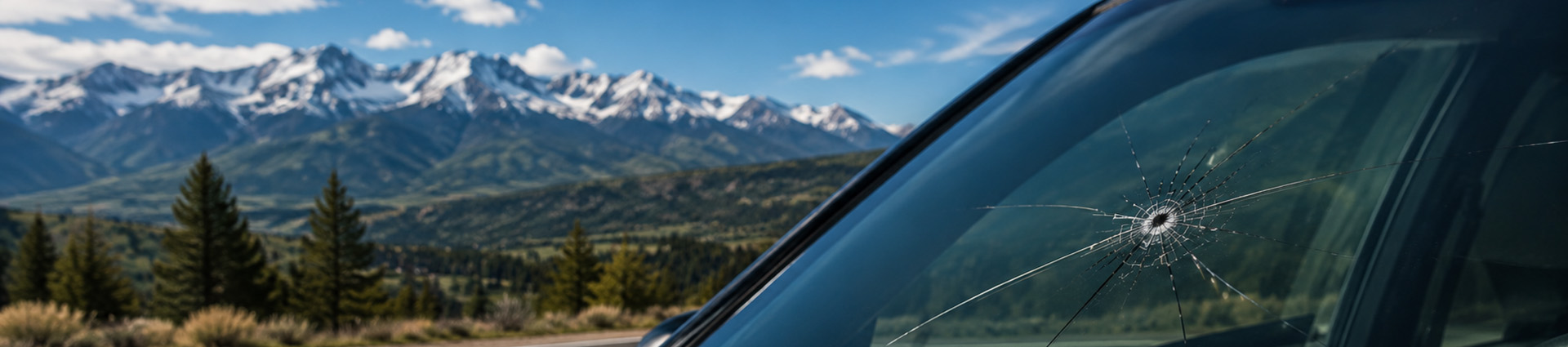
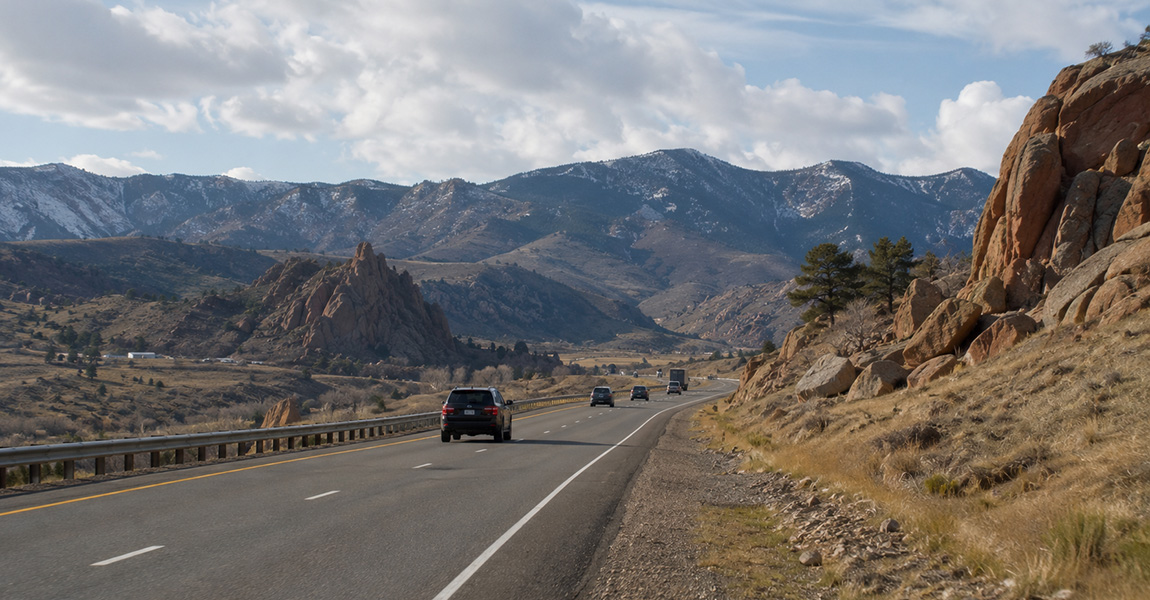
Colorado doesn’t have average road conditions. The I-70 mountain corridor from Denver through the foothills and into the high country is one of the most chip-intensive driving environments in the country. CDOT regularly applies sand and gravel for traction on mountain grades, and that material migrates onto roadways where it sits until the next semi or pickup truck launches it at highway speed directly into your windshield. One rock hit in the wrong spot and you’re pricing a new windshield before you’ve made it to Vail.
Add in the Front Range hail belt — the stretch running roughly from Castle Rock north through Denver, Aurora, and into Adams County — and you have a region where windshields face threats from multiple directions across all four seasons. Colorado consistently ranks among the states with the highest frequency of severe hail events, and while WPF won’t stop a baseball-sized hailstone from shattering glass, it meaningfully improves resistance to smaller-diameter hail that causes surface pitting and stress fractures that can develop into full cracks over time.
UV protection is another factor most national content on this topic ignores entirely. Denver sits at 5,280 feet, with mountain communities reaching 8,000 to 10,000 feet. UV radiation intensity increases roughly 4% for every 1,000 feet of elevation gain, and quality windshield protection film can block up to 99% of harmful UV rays — helping prevent sun damage to both the windshield surface and your vehicle’s interior over time. That UV load also accelerates the degradation of bare glass surfaces, which is why product selection matters as much as the decision to protect in the first place.
Road salt rounds out the picture. Freeze-thaw cycles throughout Denver’s shoulder seasons mean salt is active on roads for months. Salt intrusion into existing microchips and nicks accelerates crack propagation, turning a small chip into a full-length crack much faster than it would in a milder climate.
Paint Protection Film vs. Windshield Protection Film — Understanding the Difference
If you’ve already researched paint protection film for your vehicle’s painted surfaces, you might wonder whether WPF is essentially the same product applied to glass. It’s not — and the distinction matters when you’re evaluating both.
PPF applied to paint is typically 6–8 mils thick and engineered to absorb rock impacts on hoods, bumpers, and fenders. Windshield protection film is thinner and formulated to different optical tolerances — because unlike your hood, you’re literally looking through this product at highway speed. The clarity standard is higher, the adhesive chemistry differs to account for glass vs. clearcoat, and the edge-finishing requirements are more precise because even a minor optical distortion at the A-pillar can become a safety issue.
Understanding how self-healing film technology works in both paint and glass applications provides useful context before committing to either. Our post on self-healing PPF vs. traditional PPF covers the mechanics in detail. If you’re new to paint protection film altogether, the Denver Clear Bra definitive guide is the right starting point.
Road Debris and the Real Threat to Your Windshield
Most drivers don’t realize how much cumulative damage happens before a windshield looks visibly compromised. It’s not usually one catastrophic rock hit — it’s dozens of small impacts over thousands of miles that pit the surface, create microchips, and eventually turn a structurally sound windshield into one that’s one temperature swing away from a full crack.
Road debris on Colorado highways includes sand, pea gravel, chip seal aggregate, and larger stones knocked loose from mountain roadways, construction zones, and unpaved county roads. Each impact on bare glass either chips the surface or creates a stress point that incrementally weakens the glass. A windshield skin in the form of WPF intercepts that process — the debris hits the film, not the glass. The nicks and pitting accumulate on a replaceable surface layer rather than on a piece of glass that costs hundreds of dollars and hours of installation time to replace. To learn more about Colorado Highways most likely to cause damage to your paint.
What Windshield Film Does — and What It Doesn’t
Understanding the limits of WPF is as important as understanding its benefits, and being honest about both is how you make a good decision.
Film will absorb and deflect the kind of small-to-medium debris impacts that account for the vast majority of windshield chips on Colorado roads. The film takes the hit, the glass survives. In many cases, you replace a section of film rather than a new windshield — a meaningful cost difference that most drivers realize only after their first avoided replacement.
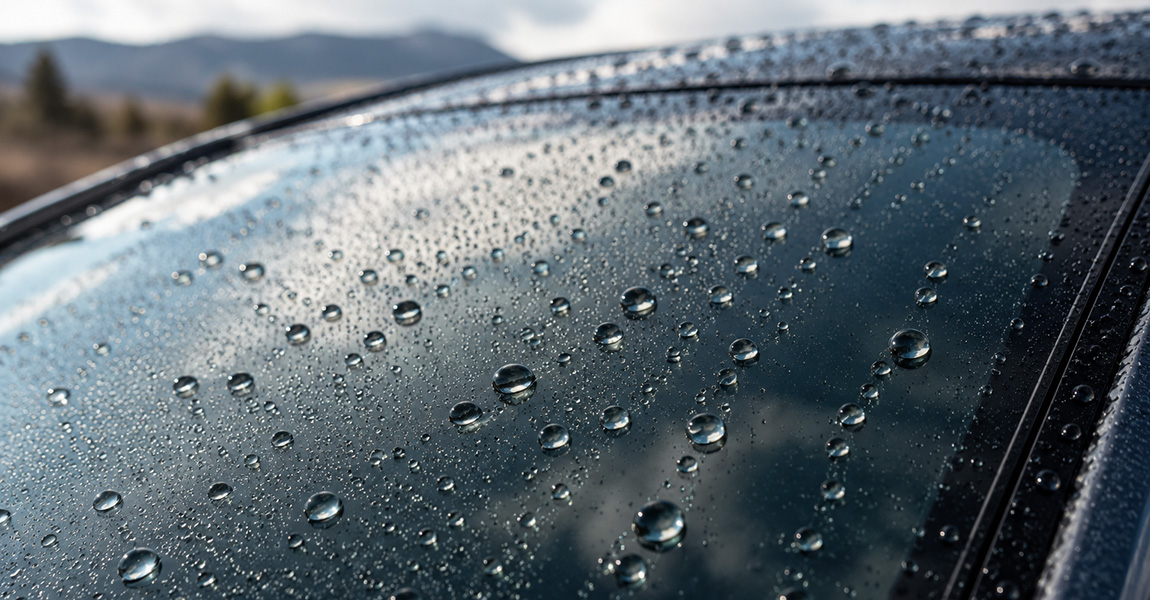
The hydrophobic properties built into the film surface cause water to bead aggressively and sheet off at speed, reducing glare from oncoming lights in wet conditions and improving visibility in Colorado’s fast-changing weather. Denver drivers who’ve dealt with wet snow plastering to a cold windshield will notice a meaningful difference in how quickly the glass clears — less reliance on wipers, cleaner sightlines, and less visual fatigue on dark mountain roads.
UV protection is built in. Quality WPF blocks up to 99% of harmful UV rays, which matters not just for the glass surface itself but also for your dashboard, steering wheel, and interior surfaces that are exposed to direct sun through an unprotected windshield during Colorado’s high-altitude solar exposure over the years.
What film won’t do: stop a direct, high-energy rock hit that would crack even undamaged laminated glass. If you’re directly behind a gravel truck on a mountain highway and a large stone drops at close range onto your windshield, no film is going to prevent that outcome. WPF is engineered for the hundreds of smaller impacts that happen over thousands of miles — not for ballistic-level strikes. Any installer who tells you differently is overselling the product.
Windshield Film vs. Windshield Replacement — The Real Math
The financial case for windshield protection film is straightforward once you run the numbers honestly, and most drivers who do the math wonder why they didn’t make the switch sooner.
A standard windshield replacement for a non-equipped vehicle in Denver — a basic sedan or truck without advanced driver assistance systems — typically runs $200 to $400, depending on glass brand and installer. That’s been the baseline for years and already represents money that comes directly out of your pocket when insurance requires a deductible, which most Colorado policies do for glass claims, depending on your coverage tier.
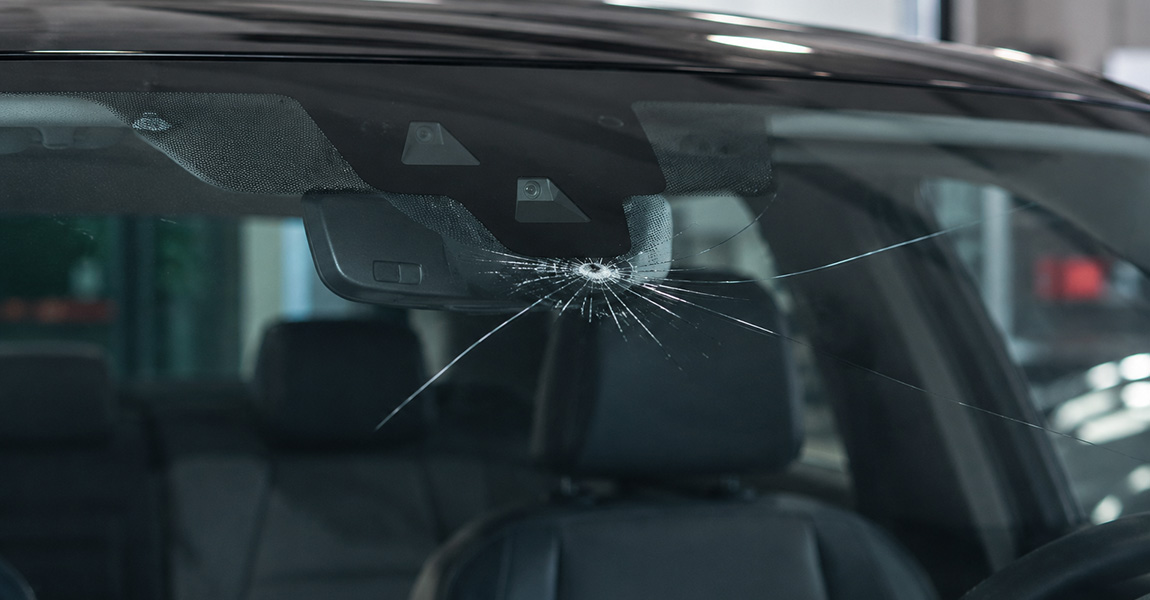
Modern vehicles are where the math changes significantly. Any car with a forward-facing camera, rain-sensing wipers, lane departure warning, automatic emergency braking, or heads-up display requires ADAS recalibration after windshield replacement. Modern windshields house cameras and sensors for these Advanced Driver Assistance Systems, and preventing damage to these components can save significant replacement and recalibration costs — often $150 to $400 on top of the glass itself, and more on luxury or European vehicles with dealer-only calibration requirements.
In some regions, insurance coverage for windshield replacement varies: some states offer full coverage, while others require a deductible, which affects the overall cost to the vehicle owner. Colorado falls into the deductible camp for most policies, which means every windshield claim costs you something. The cumulative cost of two or three replacements over the life of a vehicle adds up faster than most drivers realize when they’re standing at the dealer getting the news.
When you factor in that windshield protection film installation costs a fraction of one replacement on most vehicles, and that most Denver drivers accumulate at least one chip or crack every one to two years on Colorado roads, the break-even math becomes obvious. One avoided replacement can cover the full cost of the film — and everything after that is money saved and peace of mind purchased.
Window Tint and Windshield Protection — Do They Work Together?
A question that comes up regularly in our shop: Does windshield protection film interfere with window tint, and can you have both?
The short answer is yes — with clarity on what goes where. Window tinting is typically applied to the interior surface of side and rear glass, while windshield protection film is applied to the exterior of the front windshield. They occupy different surfaces and don’t conflict. For vehicles where the customer wants UV protection throughout the cabin, combining WPF on the windshield with quality tint film on the side windows provides comprehensive coverage — blocking harmful UV rays from multiple entry points and reducing interior heat load and glare simultaneously.
If you’re considering both services, combining them in a single appointment is more efficient and often more cost-effective. Our post on what metalized window tint is and how it works is useful background reading if you’re evaluating tint options alongside windshield protection.
Who Gets the Most Value From Windshield Protection Film
Not every driver extracts equal value from WPF, so here’s a practical breakdown of who benefits most — and who can be more confident the investment pays off quickly.
Daily I-70 commuters from Evergreen, Morrison, Conifer, and Golden are at the top of the list. If you’re driving the mountain corridor multiple times per week, you’re in the highest chip-frequency zone in the metro area. The math works faster for you than for almost anyone else.
New car buyers are the second-largest group. If you just drove a new vehicle off the lot, the factory windshield is pristine. Protecting it now costs far less than replacing it later, and keeping OEM glass on a new car preserves your ADAS calibration baseline and, on some vehicles, your warranty coverage for associated systems. Spending money on protection now to avoid spending far more on a new windshield later is a straightforward risk-management decision.
Lease drivers often overlook windshield protection entirely and then face end-of-lease charges for chips that exceeded the allowable wear threshold. A chipped or crazed windshield on a lease return can trigger replacement costs billed at dealer rates — exactly where you don’t want to be in a negotiation. WPF for the duration of a lease is clean cost management.
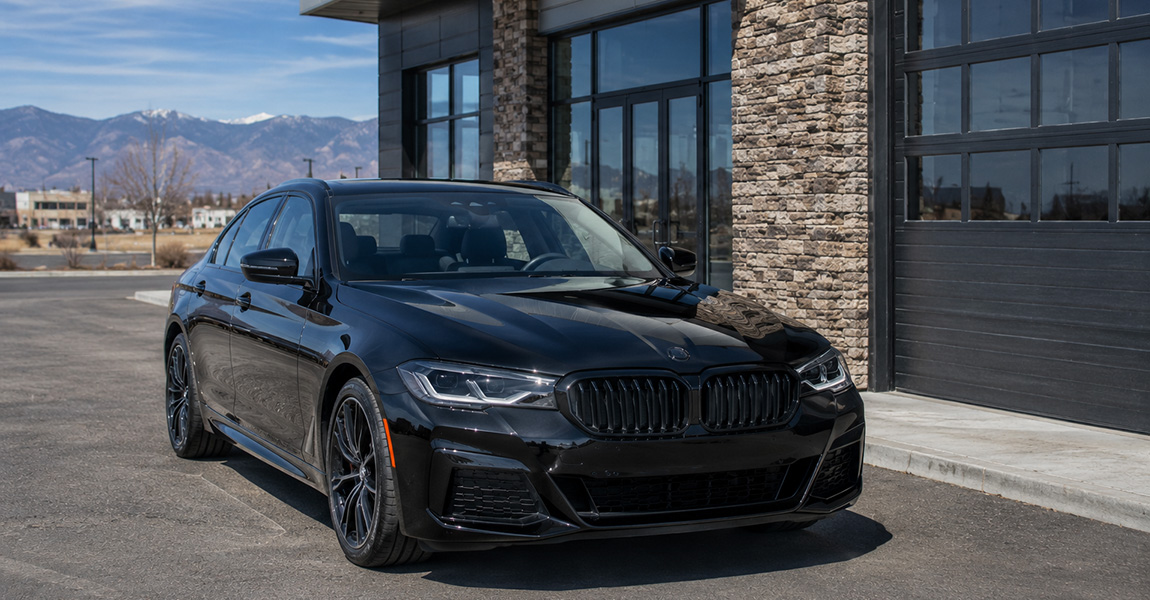
Owners of luxury and exotic vehicles should treat this as standard practice. We install WPF regularly at our Arvada shop on vehicles where a windshield replacement runs into four figures — Porsches, BMWs, Ferraris, and similar marques where OEM glass and calibration costs make the protection investment an easy decision. The risk of not protecting a $1,500 windshield with a $300 film is a risk not worth taking.
Off-road drivers and anyone who regularly runs gravel roads in the mountains, foothills, or rural Colorado are working in conditions where chip frequency is even higher than on highways. Hail-zone residents in Littleton, Aurora, Parker, and the Castle Rock corridor face spring and early summer seasons when severe weather can produce hail that pits a windshield surface below the size threshold for visible chips. The film adds a meaningful cushion in those events.
If any of these scenarios match how you drive, reach out for a free estimate — it’s a quick conversation with no pressure, and we can tell you exactly what WPF installation involves for your specific vehicle.
How Windshield Protection Film Is Installed
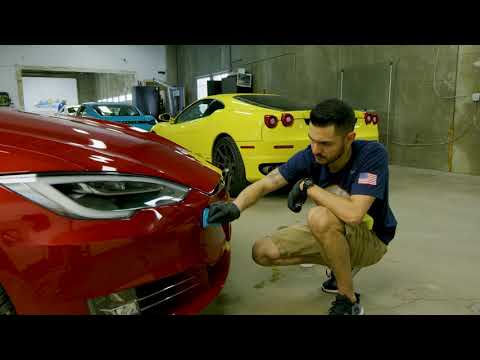
The installation process at Colorado Clear Bra starts with thorough surface decontamination — clay bar treatment, iron fallout removal, and a final inspection of the glass for any existing chips or edge damage. Any chip that needs attention gets flagged before film goes down, because sealing a chip under protective film is not an outcome you want.
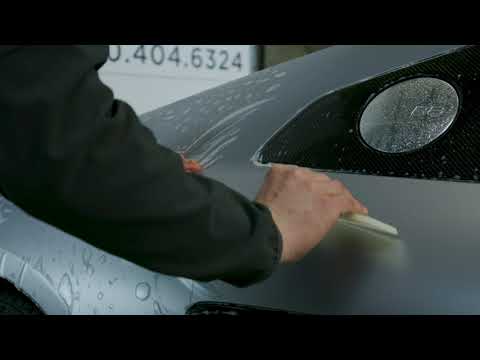
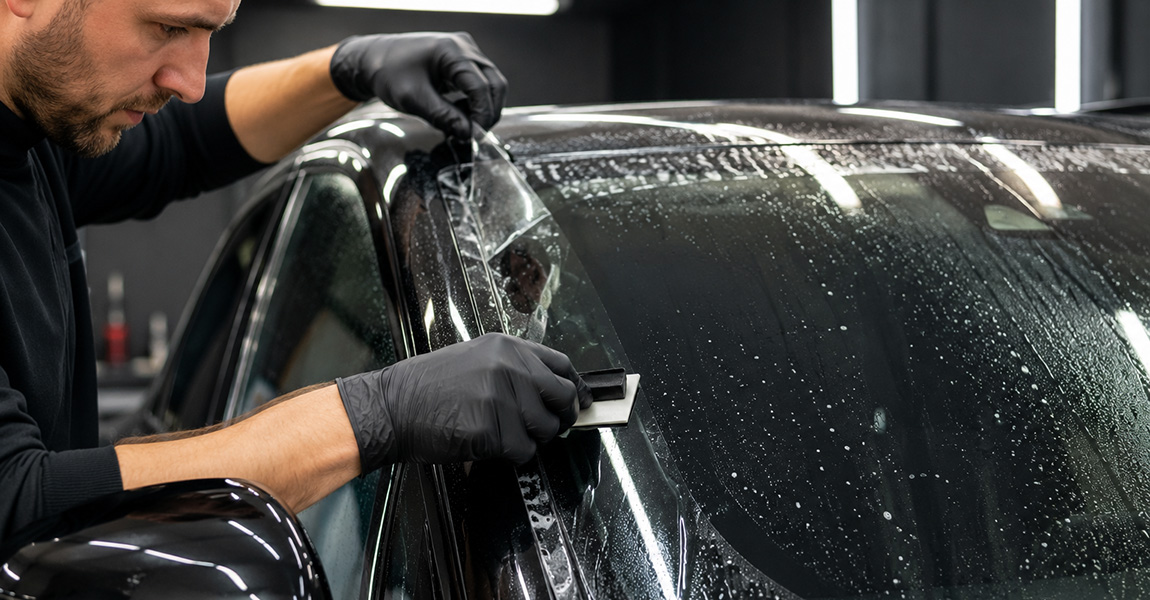
The film itself is cut using digital templates mapped to your specific vehicle’s windshield geometry. This is not a generic kit — edge coverage, camera port clearance, and sensor zone positioning are all accounted for in the cut before installation begins. Proper professional installation uses a slip solution during application to allow precise positioning before the adhesive sets, then squeegees the film down without air bubbles, creases, or edge lifts. The tolerances on windshield film are tighter than paint film due to the optical clarity requirements — any contamination that might be barely visible on a hood is completely unacceptable in a product you’re looking through at 75 mph.
Cure time after installation is typically 24 to 48 hours, during which the adhesive fully bonds to the glass. After the cure, the film behaves as part of the windshield — wipers run normally over it, defrosters operate through it, and ADAS cameras maintain their sightlines through properly cut and installed film. Cleaning is straightforward: treat it like glass, avoid abrasive compounds near edges, and the film performs consistently throughout its service life.
You can browse examples of completed installs across a range of vehicles in the Colorado Clear Bra project gallery.
Is Windshield Film Worth It? The Honest Answer
For most Denver and Front Range drivers — yes. Not because it’s a perfect safeguard, but because the math is straightforward, Colorado’s roads are genuinely harsh, and replacing a windshield on a modern vehicle with ADAS technology is expensive enough that protection is a defensible investment even before the first chip appears.
The value is highest for daily commuters on the I-70 corridor, new car buyers, lease drivers, luxury and exotic vehicle owners, and anyone whose vehicle has ADAS cameras behind the glass. It’s lower for a vehicle with a cheap aftermarket windshield you’re planning to replace anyway, or a weekend-only driver logging minimal highway miles. Be curious about your own situation — run the math on what a replacement would actually cost you, factor in your deductible, and the answer usually becomes clear.
What we install is Ceramic Pro Windshield Protection Film — a product chosen specifically for its optical clarity, self-healing properties, and UV protection performance in Colorado’s climate. We’ve seen plenty of generic film options over 25 years in this business, and the difference in optical quality and long-term durability is not subtle. Amazing results come from quality materials installed correctly, and that’s the only standard we apply to every vehicle that comes through our Arvada shop.
If you want to understand what protection makes sense for your specific vehicle and how you drive it, call us at 720-404-6324 or request a free estimate online. Evening and weekend appointments are available.
Frequently Asked Questions
How long does windshield protection film last?
The lifespan of windshield protection film can range from 1 to 5 years, depending on driving conditions and the level of maintenance provided. In Colorado’s high-UV, high-debris environment, choosing a film engineered for UV resistance and having it professionally installed with proper edge sealing extends service life significantly compared to budget alternatives.
Can windshield protection film be repaired if it gets damaged?
If the film is significantly affected, the damaged section can often be replaced without disturbing the surrounding film, depending on the size and location of the damage. This is one of the core advantages of WPF — you’re replacing a relatively inexpensive consumable layer rather than paying for a costly replacement of the windshield itself.
Will windshield protection film affect my ADAS sensors or cameras?
When properly installed with correctly cut templates that account for your vehicle’s camera and sensor positions, quality WPF should not interfere with forward-facing cameras, rain sensors, or other ADAS components. Proper template cutting and professional installation are the critical factors. Generic kits that don’t account for sensor zones are where problems originate, which is one reason DIY film installation carries real risk on modern vehicles.
Does windshield protection film actually prevent rock chips?
It meaningfully reduces chip frequency and severity for small-to-medium debris impacts that cause most windshield damage on Colorado roads. The film absorbs and distributes impact energy before it can concentrate at a single point on the glass. It won’t make it impossible to crack a windshield under all circumstances — a large rock hit at close range can defeat any film — but for the daily accumulation of road debris that wears down most windshields over thousands of miles, WPF provides genuine, measurable protection.
How much does windshield protection film cost in Denver?
Pricing varies based on vehicle windshield size and complexity. The most useful first step is a free estimate specific to your vehicle — call us at 720-404-6324 or submit an estimate request online. We’ll give you a straightforward number with no pressure, and you can spend those five minutes with confidence rather than curiosity.