
How to Care for PPF After Installation-There’s a specific kind of satisfaction that comes with picking up your vehicle after a professional PPF installation. The paint looks sharper than the day you bought the car. Every panel is clean, protected, and ready for whatever Colorado’s roads throw at it. Then comes the question almost every customer asks on their way out the door: “So what do I do now?”
After completing paint protection film installation on more than 15,000 vehicles over 25 years in the Denver area, we’ve heard that question a lot. PPF is a significant investment — and like any significant investment, it rewards proper aftercare. Get the early care right, follow a few simple maintenance tips consistently, and your film will stay optically clear, self-healing, and bonded tightly to your paint for a decade or more. Cut corners, and you’ll accelerate yellowing, edge lifting, or delamination that no warranty covers.
This is the guide we’d hand every customer if we had the time to walk through it in the shop.
Table of Contents – How to Care for PPF After Installation
Paint Protection Film Installation: The Cure Window and Why It Matters
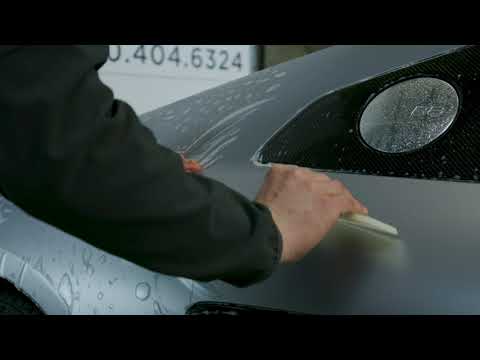
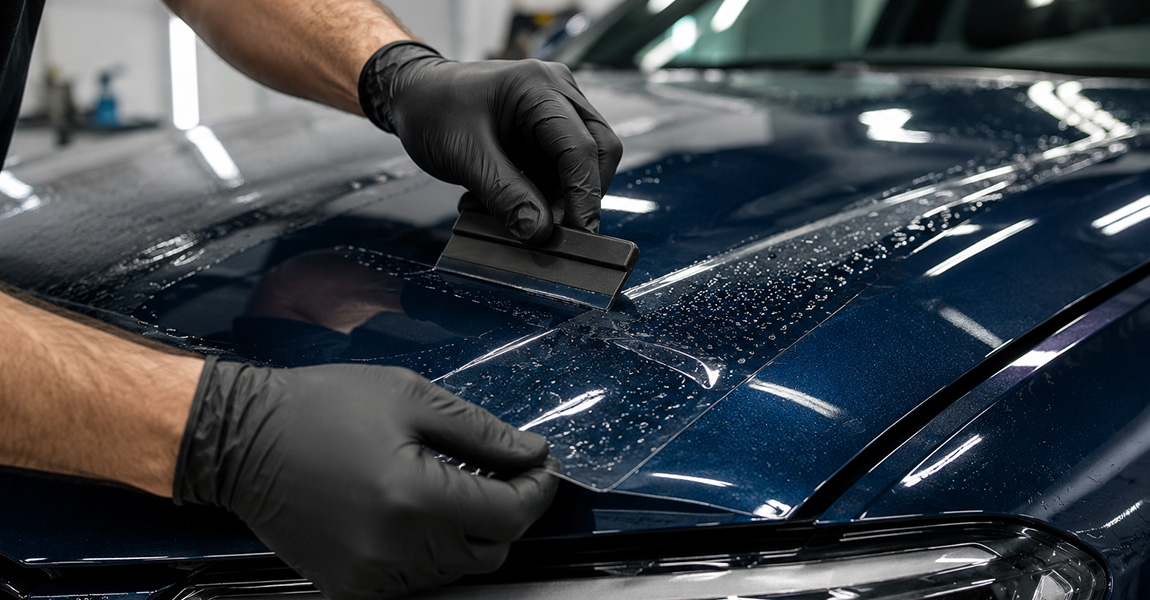
Paint protection film installation is a wet process. The installer uses a slip solution beneath the film to position it precisely, then squeegees out the moisture and bonds the adhesive to your clear coat. That curing process needs time — and during that critical period, the film is more vulnerable than it will ever be again.
Avoid washing the vehicle for at least 7 to 14 days. This is the single most important post-installation rule, and it’s the one people most often bend. One of the most common mistakes after PPF installation is washing the vehicle too soon, which can lead to lifting or bubbling of the film as the adhesive bonds to the vehicle’s surface.
We understand the impulse — the car looks incredible, and you want to show it off clean. But running water across freshly installed film, especially at any pressure, risks disrupting the adhesive before it has fully achieved proper adhesion. If you pick up road dust or a light splatter during the curing period, leave it alone. It will wash off fine once the film cures properly.
Avoid pressure washing edges and seams during the first two weeks as well. Even after the initial window passes, high-pressure water directed at the film edges — particularly around mirrors, hood edges, and door jambs — can cause lifting before the adhesive has fully hardened. Keep the pressure wand at least 12 inches from any seam or edge, and never point the stream directly at a tucked termination point.
Water beading and slight haze are completely normal during the first week. The slip solution beneath the film is still migrating out, and the adhesive is still consolidating. Within seven days, you’ll see the film’s optical clarity sharpen, and any surface haze disappear. If you added a ceramic coating at installation, allow an additional 24 to 48 hours for initial cure before exposing the vehicle to moisture, with full hardness reached over the following two to four weeks.
Avoid parking in direct sunlight for extended periods during the first week as well. Extreme temperatures — particularly intense heat — can affect how the adhesive bonds during the curing period and may cause the film to shift or develop bubbles before it has fully set. A garage or shaded parking spot is the right environment while the film cures.
Proper Washing Techniques for PPF-Protected Vehicles
Once the curing period has passed, washing your PPF-protected vehicle is straightforward. Proper washing techniques matter more than most vehicle owners realize, and a few consistent habits will protect the film’s appearance and effectiveness for years.
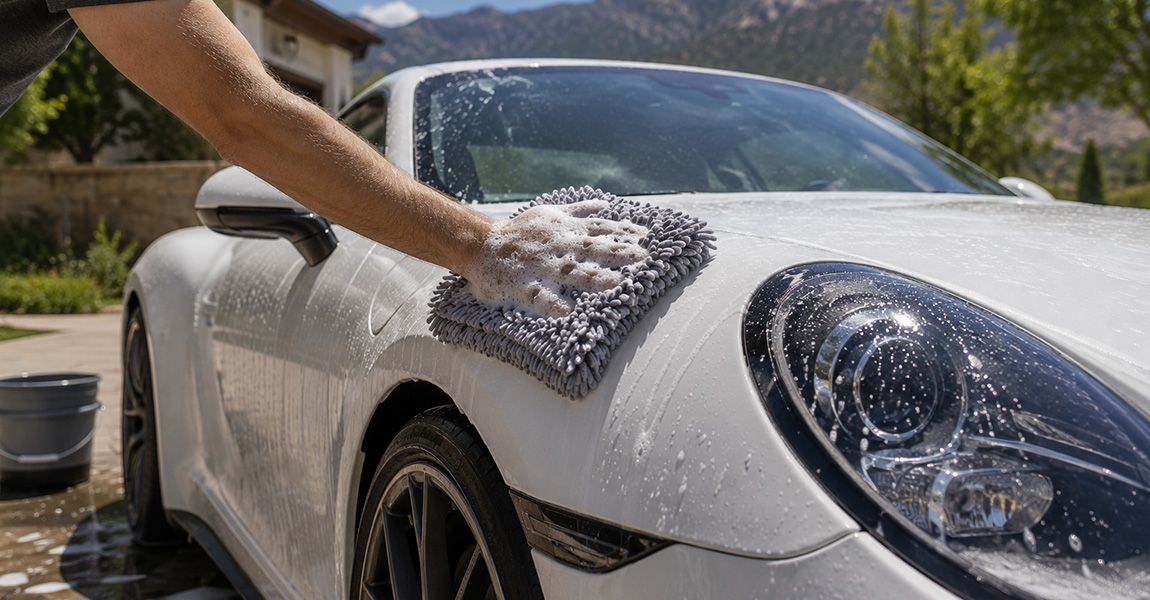
Hand washing is the approach certified installers and experienced professionals recommend above everything else — particularly during the first month after installation. A two-bucket method works best: one bucket with pH-neutral car wash soap and clean water, one bucket of plain rinse water for rinsing your mitt between passes. Work panel by panel from top to bottom, use a clean microfiber wash mitt, and rinse thoroughly before drying. The two-bucket method keeps abrasive particles from being dragged back across the film’s surface, which is how light scratches and swirl marks get introduced over time.
Using pH-neutral car wash soap is essential for maintaining the integrity of paint protection film during washing. Harsh detergents — including dish soap and many household cleaners — can degrade the film’s protective layer and begin breaking down the adhesive bond over time. Choose a product formulated for automotive paint, check the label, and avoid anything with added degreasers not specifically rated as PPF-safe.
Proper drying technique matters too. Use clean, soft microfiber towels to blot away water rather than dragging them across the surface. This prevents water spots and mineral deposits from forming on the PPF — particularly important in Denver’s hard-water environment, where spot deposits are more concentrated. A quick detailer spray on the towel before drying also helps lift any remaining fine particles safely.
Avoid automatic car washes with abrasive brushes entirely. Using automatic car washes with abrasive brushes can significantly damage PPF, leading to micro-scratches and accelerated film degradation. The rotating brushes and cloth strips in these machines apply lateral friction across the film’s surface and directly across its edges — a combination that shortens film life and can cause early edge lifting. Touchless automatic washes are acceptable once the film has fully cured, but hand washing should be your default, especially in the first month after installation.
Aim to wash the vehicle every one to two weeks. Regular washing every one to two weeks prevents the buildup of contaminants that can degrade the film over time. Letting grime, road salt, and organic material accumulate isn’t just cosmetic — it gives acidic and enzymatic compounds time to work on the film’s topcoat.
Avoid Harsh Chemicals and Damaging Products
Proper post-installation care means being deliberate about what goes on the film’s surface — not just how you wash it.
Avoid harsh chemicals entirely. Applying harsh chemicals, such as bleach or ammonia-based cleaners, can compromise the PPF’s adhesive bond, leading to issues like edge lifting and yellowing. It’s essential to use pH-neutral cleaning products specifically designed for PPF or automotive paint care. This means reading labels carefully before applying any protectant, sealant, or detailer to your vehicle’s paint surface.
Many traditional paste waxes and spray waxes contain petroleum distillates, Teflon, or dye agents that are not rated safe for use over film and can cause staining or adhesive degradation.
Avoid abrasive cleaners in any form. Clay bars used without sufficient lubrication, abrasive polishes, and mechanical polishing pads can all mar the film’s topcoat — and unlike paint, the film can’t simply be re-polished without affecting its clarity or warranty coverage.
For the vehicle’s surface between washes, a PPF-compatible spray detailer is safe and effective. Keep one in the car. When you pick up bug splatter, bird droppings, or tree sap on the road, address them the same day. These contaminants contain acidic and enzymatic compounds that begin degrading the film’s topcoat within 24 to 48 hours in Colorado’s summer heat. The longer they sit, the more difficult they become to remove cleanly — and the higher the risk of permanent staining.
Environmental Hazards: What Denver Drivers Face
Colorado’s environment creates specific hazards for vehicle owners, making proper post-installation care more important here than in most markets.
At Denver’s altitude, UV rays are measurably more intense than at sea level. The National Renewable Energy Laboratory confirms that Colorado receives among the highest levels of solar irradiance of any state. Quality paint protection film contains UV inhibitors in the film itself, and applying a sealant or ceramic coating over the film further enhances UV resistance while also improving hydrophobic properties. But keeping the film clean and free of surface contamination is what lets those built-in protections do their job.
Road salt and de-icing chemicals are aggressive environmental factors on Front Range roads from October through March. Salt brine is corrosive, and if it seeps beneath a compromised film edge, it can accelerate adhesive failure on lower panels and rocker areas. Rinsing the undercarriage and lower panels after winter drives — even with warm water and a garden hose — removes salt buildup before it has time to corrode any edge it can find.
Gravel and road debris on Colorado highways, particularly on I-70 through the mountains, is among the most aggressive in the country. This is precisely why full-front coverage on the hood, fenders, bumper, and mirrors makes more practical sense in this market than a partial kit. The Denver environment consistently argues for more film rather than less when you’re making your initial paint protection film coverage decision.
Hail is the other obvious Colorado-specific threat. PPF absorbs minor hail impacts and protects the car’s paint from small-stone damage, but it isn’t a hail-proof barrier against a serious storm. What it does is preserve your paint in pristine condition so that whatever reaches the clear coat, you’re starting from a better baseline than unprotected paint.

Ceramic Coating Over PPF: Optimal Performance and Easier Maintenance
If you want to achieve maximum effectiveness from your paint protection film installation, pairing it with a ceramic coating is the most practical upgrade available.
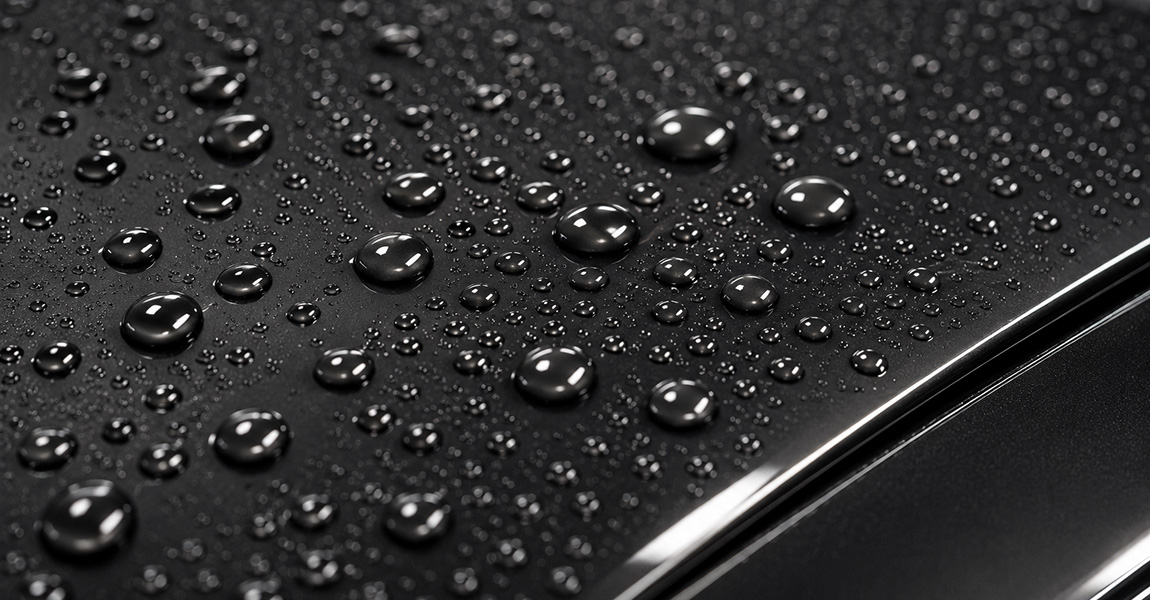
A ceramic coating applied over paint protection film creates a hydrophobic layer that causes water, road grime, and light contaminants to bead and sheet off rather than bonding to the film’s surface. Applying a sealant or ceramic coating enhances the hydrophobic properties and UV resistance of PPF — meaning the film’s own UV inhibitors are supplemented by the coating’s additional protection. The practical result: your car stays cleaner longer between washes, contaminants come off more easily when you do wash, and the film’s appearance is maintained more consistently over time.
Opti-Coat Pro and Ceramic Pro are both fully compatible with quality PPF and don’t interfere with the film’s self-healing properties. The ceramic coating goes on top of the film’s topcoat, protecting it from above, while the film continues to protect the car’s paint from below. For vehicle owners who regularly drive on the highway, park outdoors, or simply want to spend less time maintaining their investment, the combination delivers meaningful performance gains over film alone. You can see how the combined approach holds up across a range of vehicles in our recent projects. Read more about whether to combine clear bra and ceramic coating.

Regular Visual Inspections: Early Detection Matters
Regular visual inspections are one of the most underrated aspects of proper PPF maintenance — and one of the easiest habits to build.
Every few weeks, walk around your vehicle in good lighting and check the film’s edges for lifting, dirt accumulation, or visible imperfections. Regularly inspecting the film’s edges for lifting or dirt accumulation is essential for proper maintenance because minor edge lifting — a small corner beginning to separate near a panel edge or mirror cap — is completely repairable if caught early. Left unaddressed, moisture and debris work their way beneath the film, and what could have been a five-minute repair becomes a full panel replacement.
Look at the film’s appearance in direct light as well. Yellowing that develops unevenly, clouding that doesn’t resolve after washing, or sections where water no longer beads correctly can all signal that the film’s topcoat has been compromised — often by chemical exposure or a product that wasn’t PPF-compatible. When something looks off and you can’t explain it, seek professional attention promptly. Contact your installer immediately rather than waiting to see if the issue resolves on its own. Early detection is almost always cheaper than the alternative.
How Long Does PPF Last — and What Shortens Its Lifespan?
A properly installed, properly maintained film from SunTek, 3M, or XPEL will typically carry a 10-year manufacturer’s warranty against yellowing, cracking, peeling, and delamination. High-quality PPF under ideal conditions regularly outlasts its warranty period.
What shortens lifespan? Brush-style automatic washes that leave contaminants on the surface, abrasive cleaners, applying products that aren’t PPF-rated, and neglecting to address visible imperfections early. Warranty coverage is also affected by care practices — most manufacturer warranties include provisions about proper maintenance, and documented misuse can void coverage. Proper care isn’t just about the film’s appearance; it protects the warranty’s financial value.
Surface preparation before installation also plays a role that outlasts the installation day. At Colorado Clear Bra, surface preparation is part of every SunTek Reaction PPF installation — the paint needs to be clean, decontaminated, and free of defects before film goes on, because anything trapped beneath the film stays there. That upfront diligence is part of what makes a 10-year film genuinely perform for 10 years.
If you’re unsure whether your current care routine is protecting your film’s bond or gradually damaging it, bring the vehicle in. We’d rather spend five minutes looking at it than have a customer lose a full film panel over something preventable.
Frequently Asked Questions
How long after PPF installation can I wash my car?
Wait at least 7 to 14 days before washing your vehicle after PPF installation. Washing too soon is one of the most common post-installation mistakes and can cause the film to lift or bubble before the adhesive has properly bonded to the vehicle’s surface. During the curing period, avoid getting the film wet if possible, keep high-pressure water away from all edges of the film, and avoid parking in direct sunlight for extended periods. After the cure window, resume washing using proper washing techniques with a pH-neutral car wash soap.
Can I take my PPF-protected car through an automatic car wash?
Avoid automatic car washes with abrasive brushes entirely — before and after the curing period. Using automatic car washes with brushes can significantly damage PPF by causing micro-scratches and accelerating edge degradation. Touchless automatic washes are acceptable once the film has fully cured, but hand washing is strongly advised during the first month after installation and remains the best long-term option for maintaining the film’s appearance and bond.
What products are safe to use on paint protection film?
Use pH-neutral car wash soap for washing and PPF-safe spray detailers for between-wash maintenance. Avoid harsh chemicals, including bleach, ammonia, alcohol, abrasives, and petroleum distillates. Applying harsh chemicals can compromise the PPF’s adhesive bond, causing edge lifting and yellowing. Traditional paste waxes are often not PPF-compatible. For a durable protective layer over the film, a professionally applied ceramic coating is the safest and most effective option.
Will bird droppings damage my PPF?
Yes, if left on the surface too long. The acidic and enzymatic compounds in bird droppings begin breaking down the film’s topcoat within 24 to 48 hours — particularly in Colorado’s high UV, high-heat summer environment. Address bird droppings and bug splatter on the same day with a damp microfiber cloth and a PPF-safe detail spray. Early detection and prompt removal are always better than waiting.
Does adding a ceramic coating over PPF affect the film’s self-healing properties?
No. A properly applied ceramic coating sits atop the film’s topcoat and does not interfere with the self-healing layer beneath it. The film’s ability to recover from light scratches when heated remains intact. The ceramic coating adds hydrophobic properties and UV resistance to the film, helping it maintain maximum effectiveness throughout its full lifespan.

Colorado Clear Bra has been protecting Denver-area vehicles since 2001. Founder Kirby Thompson has personally completed paint protection film installation on over 15,000 vehicles. If you have questions about your existing film or want proper post-installation care advice for a new vehicle, call us at 720-404-6324 or request a free estimate. Our experienced professionals are happy to walk you through the right maintenance plan for your specific film and driving environment.