
XPEL vs. 3M vs. SunTek: all three are legitimate, high-performance paint protection films made by companies with decades of manufacturing experience, and none of them is a bad choice. The real difference between XPEL, 3M, and SunTek shows up in optical clarity, warranty terms, and — more than anything else — the skill of the professional installers actually laying the film on your car. If you’re weighing brand choices before installing paint protection film on your Denver vehicle, that last point matters more than the roll of film itself. Every vehicle owner researching this decision eventually asks the same question: is there a right brand, or does it come down to the right film for a specific vehicle? Mostly the latter.
We install SunTek and 3M at our Arvada shop, so we’ll be upfront about that. But we’ve handled all three films on customer vehicles over the years, either doing full installs or correcting other shops’ work, and we’re not going to pretend one brand is dramatically superior to the others just because it’s not the one we carry. Here’s a genuinely honest comparison, not a sales pitch dressed up as one.
Table of Contents: XPEL vs. 3M vs. SunTek
What XPEL, 3M, and SunTek Have in Common
Every major brand in the PPF industry builds around the same core technology: a multi-layer polyurethane film with a topcoat that self-heals light scratches and swirl marks using heat, either from the sun or an engine bay. XPEL’s Ultimate Plus, 3M’s Scotchgard Pro Series, and SunTek’s Ultra and Reaction lines all use variations of this approach, and all three brands back their film with a manufacturer-backed warranty covering cracking, bubbling, and yellowing of PPF.
All three topcoats also include UV inhibitors that help protect factory paint from fading over time. Hydrophobic properties in the newer topcoats also help these films repel water and road grime, which cuts down on the sun exposure and contamination that cause enhanced gloss to fade over time. Most PPF, across all three brands, typically lasts 7 to 12 years depending on conditions and how well it’s maintained. Over the past decade, self-healing chemistry has improved industry-wide, which is part of why the gap between top-tier films has narrowed so much.
Optical Clarity: The One Head-to-Head Difference Worth a Closer Look
If there’s a place where installers genuinely see a difference between brands, it’s optical clarity. 3M and XPEL both have a strong reputation for excellent optical clarity, especially over dark paint, where a lesser film can introduce a faint haze or orange-peel texture. SunTek’s Ultra and Reaction lines offer good optical clarity as well, though the brand hasn’t built the same decades-long name recognition around it.
Some installers give XPEL a slight edge in clarity on lighter paint colors, though 3M holds its own closely enough that most owners couldn’t tell the difference parked side by side. In practice, once film is installed correctly by professional installers, the difference is subtle enough that most owners won’t notice it in daily driving — it shows up more in close inspection under direct light than in real-world driving conditions.
Brand Recognition vs. Real-World Installation Quality
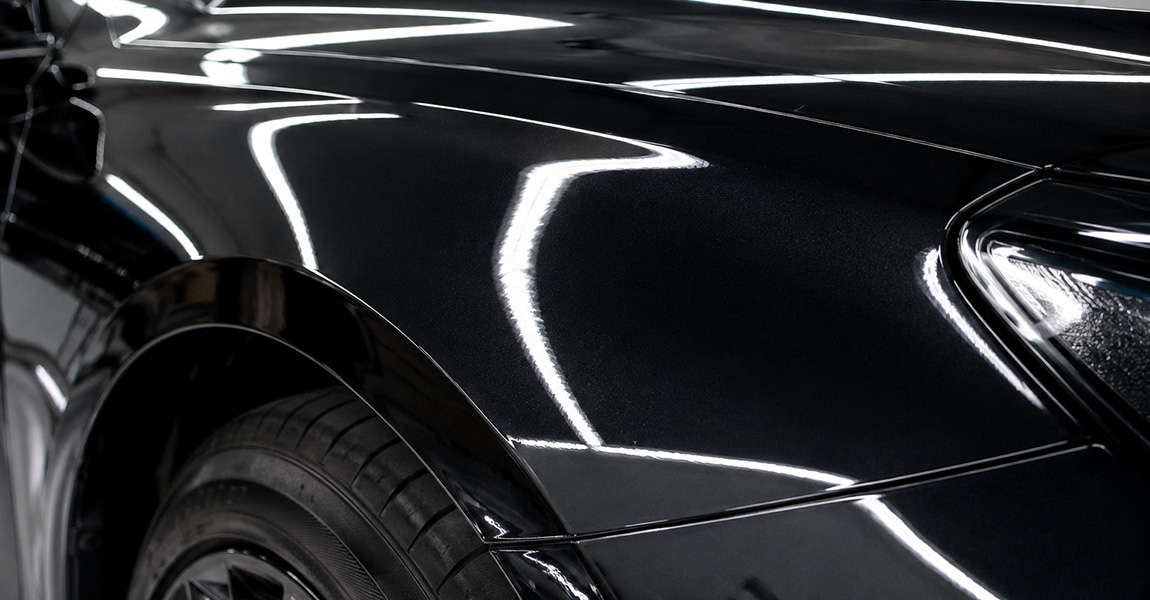
3M and XPEL carry the strongest brand recognition in the PPF market, and XPEL in particular has built a reputation as something close to a gold standard among professional installers, largely on the strength of its pattern-cut software and installer support. SunTek, while a newer brand to many consumers, is backed by Eastman Chemical Company — the same parent company behind LLumar and other established performance film brands — and delivers competitive performance and consistent quality that holds up against the more recognizable names. Brand recognition is a reasonable starting point for research, but it isn’t the deciding factor in how your car looks five years from now. Installation quality is.
Where the Differences Actually Show Up
Self-Healing Response
All three brands offer strong, comparable self-healing performance under heat. None of them heals deep scratches that reach the base film layer, regardless of brand.
Warranty Coverage
XPEL backs Ultimate Plus and Stealth with a 10-year manufacturer warranty covering yellowing, cracking, blistering, and delaminating. SunTek’s Reaction carries a 12-year limited warranty — the longest of the three — through authorized installers. 3M’s manufacturer warranty varies by installer and product line, so confirm terms before you book. Most warranty disputes we see come down to improper aftercare, not an actual film defect. We’ve found SunTek’s warranty process to be straightforward and efficient on the claims we’ve handled.
Edge Adhesion and Long-Term Fit
This is where installer skill outweighs brand almost entirely. Edge lifting on the hood’s leading edge, mirrors, and bumper corners is one of the most common complaints we see on vehicles that came from other shops, and it’s rarely a film defect — it’s usually due to stretching or adhesive prep issues during installation. A properly installed film from any of the three brands should show minimal edge lifting for years; a rushed install of the same film won’t.
Installer and Dealer Network in Colorado
SunTek and 3M both maintain an established network of professional installers throughout the Denver metro, which means parts availability and warranty support are handled locally. XPEL’s dealer network in this market is more selective by comparison, which can matter if you need a warranty claim serviced or a panel re-cut down the road.
Color PPF and Specialty Finishes
All three brands have expanded well past clear film. XPEL Stealth, 3M’s matte Scotchgard Pro Series, and SunTek’s matte Ultra option all give you a satin, color-shifted look while keeping the same self-healing protection as their gloss counterparts. Color PPF — tinted or blacked-out film applied over factory paint — has become one of the fastest-growing categories across all three brands, especially among owners who want a temporary or reversible way to change their car’s appearance without a full wrap or repaint.

What It Actually Takes to Install Paint Protection Film Correctly
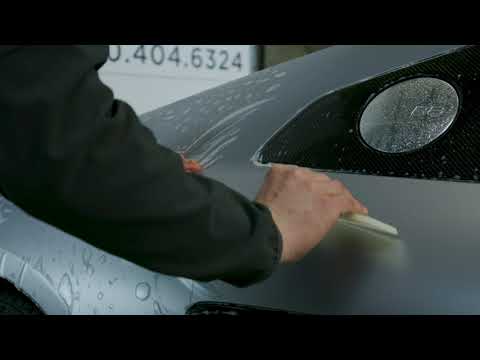
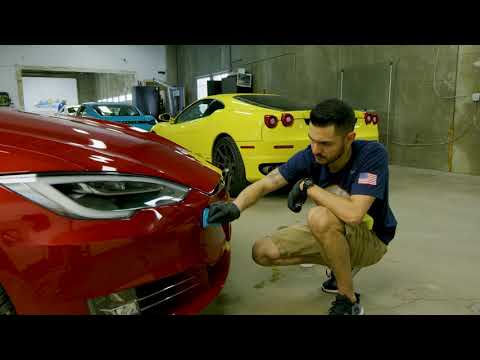
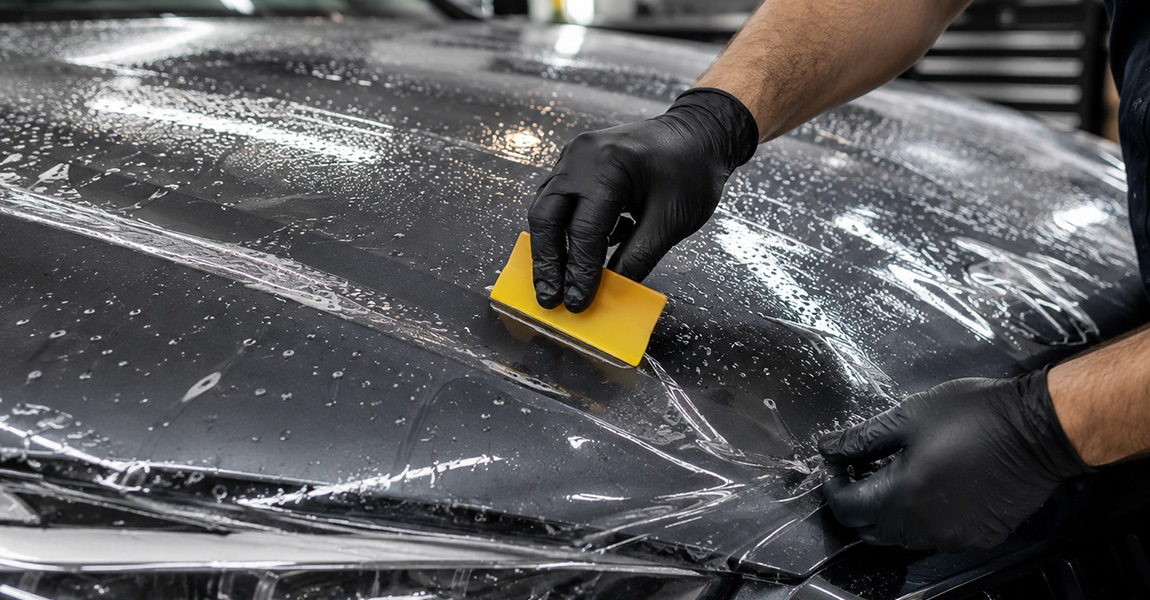
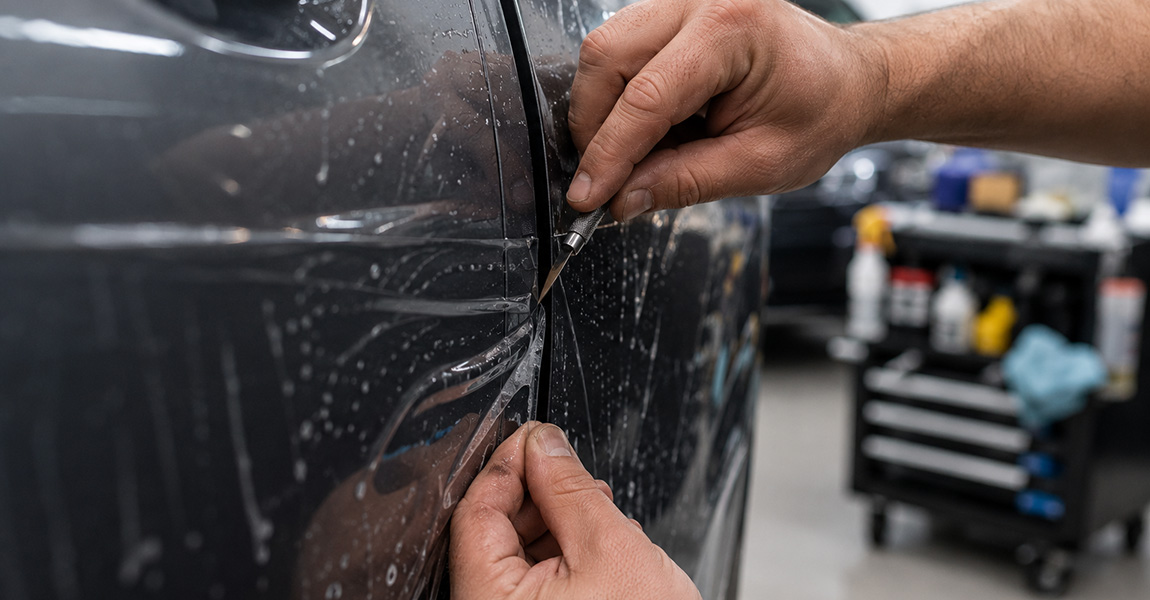
Whichever of the three you install —XPEL, 3M, or SunTek —PPF installation comes down to surface prep, panel-specific pattern cutting, and squeegee technique—not the brand printed on the roll. After 25 years and more than 15,000 personal installs, Kirby has seen every one of these films go on both well and poorly.
The film brand determines baseline chemistry and warranty terms. The installer determines whether the edges are tucked invisibly or lifting within a year, whether there are air bubbles trapped under the surface, and whether panel gaps are barely visible or an eyesore up close. We’ve corrected more than a few installs where a premium film was cut wrong or applied with contaminated adhesive — problems that have nothing to do with the film brand and everything to do with technique. Our full clear bra installation process walks through exactly what sets a clean install from a rushed one, whichever brand you choose.
SunTek Reaction: Why We Install It
SunTek Reaction is our go-to recommendation for most customers because it combines self-healing PPF with a hydrophobic topcoat in a single product, reducing maintenance compared to running separate PPF and ceramic coatings on the same panels.
Customers who want top-tier performance without maintaining two separate products tend to prefer this one. It’s built on Eastman Chemical Company’s Tetrashield resin system, the same protective chemistry trusted by several OEM finish programs, and it holds up well against the sand and gravel CDOT lays down on I-70 all winter. You can read more about the SunTek Reaction product line directly from the manufacturer, and we cover how self-healing technology actually works in our self-healing PPF vs. traditional PPF breakdown.
3M Clear Bra: Where It Still Wins
3M has the longest track record in the PPF industry, and that legacy still counts for something — many dealerships and OEMs have direct relationships with 3M, so if your vehicle came with factory-applied protection, there’s a decent chance it’s 3M film. 3M offers solid, reliable protection at a competitive price compared to the premium price some installers charge for XPEL.
For owners who want the most recognized name in the category and don’t mind a slightly firmer film feel compared to Reaction’s ceramic-hybrid topcoat, 3M remains an excellent choice. See our what is a 3M clear bra guide for how it performs on Denver roads specifically, and 3M’s own automotive film support page covers their current lineup and warranty structure in detail.
Should You Choose XPEL Instead?
XPEL Ultimate Plus is a genuinely good film — strong self-healing performance, excellent clarity, and a warranty that appeals to buyers thinking about resale value. It’s earned its strong reputation, and we won’t tell you it’s inferior to what we install. Our brand focus comes down to installer certification and established warranty support relationships in this market, not a knock on XPEL’s engineering. Review XPEL’s Ultimate Plus specs directly if you’re weighing whether to install XPEL against what we offer — an informed comparison serves you better than us pretending it doesn’t exist. If you do choose XPEL, insist on a certified installer with real experience on your specific vehicle.

Daily Drivers vs. Luxury Vehicles: Does Brand Choice Change?
For daily drivers, the price gap between brands and coverage levels matters more than marginal differences in clarity — a well-installed film from any of the three will hold up well against commuting, parking lots, and highway debris. For luxury vehicles, exotics, and track cars, vehicle complexity becomes the bigger factor: intricate curves, vents, and trim pieces demand more precise pattern cutting and hand-fitting regardless of vehicle type. On a luxury car with complex curves, real-world performance depends far more on the installer’s experience with that exact make and model than on brand recognition. We’ve seen installs on multiple brands go equally well or equally wrong — the real-world experience of the person doing the cutting is the deciding factor every time.
How to Choose the Right PPF for Your Denver Vehicle
Coverage level matters more than most people initially budget for. Colorado’s gravel exposure on I-70 and I-25, plus a hail season running spring through early summer, makes full vehicle coverage or at minimum full-front coverage a smarter baseline than a partial kit for daily drivers here. Pairing paint protection film with a ceramic coating on the untreated panels gives you the impact resistance of film plus the easy-clean benefit of a coating across the rest of the car.
Our guide on caring for PPF after installation covers wash technique — including why automatic car washes with brushes are worth avoiding — that keeps any of these films performing at its best once it’s installed. And if window tint is also on your radar, XPEL, 3M, and SunTek all manufacture window film lines too — our window tinting page covers that side of protection separately.

Get an Expert Opinion, Not a Sales Pitch
Brand comparisons only get you so far — the honest answer depends on your vehicle, how you drive it, and what you’re protecting against. Whatever right film or right brand you’re leaning toward, we’ll give you a straight, real-world read on how SunTek film or 3M film performs for your specific vehicle before you commit. Request a free estimate or call 720-404-6324. We’ll walk you through the options without steering you toward whatever’s easiest to sell.
FAQ: XPEL vs. 3M vs. SunTek
Is XPEL better than 3M or SunTek?
No single brand is categorically better. All three deliver strong performance and comparable protection. Differences come down to nuances in optical clarity, warranty terms, and local installer support.
Which PPF brand has the best warranty?
XPEL and SunTek both offer manufacturer-backed, often transferable warranties. 3M’s terms vary by installer and product line, so confirm specifics before booking.
Does the installer matter more than the film brand?
Yes. Edge adhesion, seam placement, and bubble-free application depend entirely on installer skill. A premium film applied poorly will underperform a mid-tier film installed correctly.
Can you combine PPF with a ceramic coating?
Yes — PPF absorbs physical impacts like rock chips, while a ceramic coating on top or on adjacent panels adds hydrophobic, easy-clean properties. SunTek Reaction already combines this into a single product.
Do these brands offer color PPF or specialty finishes?
Yes. XPEL Stealth, 3M’s matte Scotchgard Pro Series, and SunTek’s matte Ultra all offer satin and color-shifted finishes.